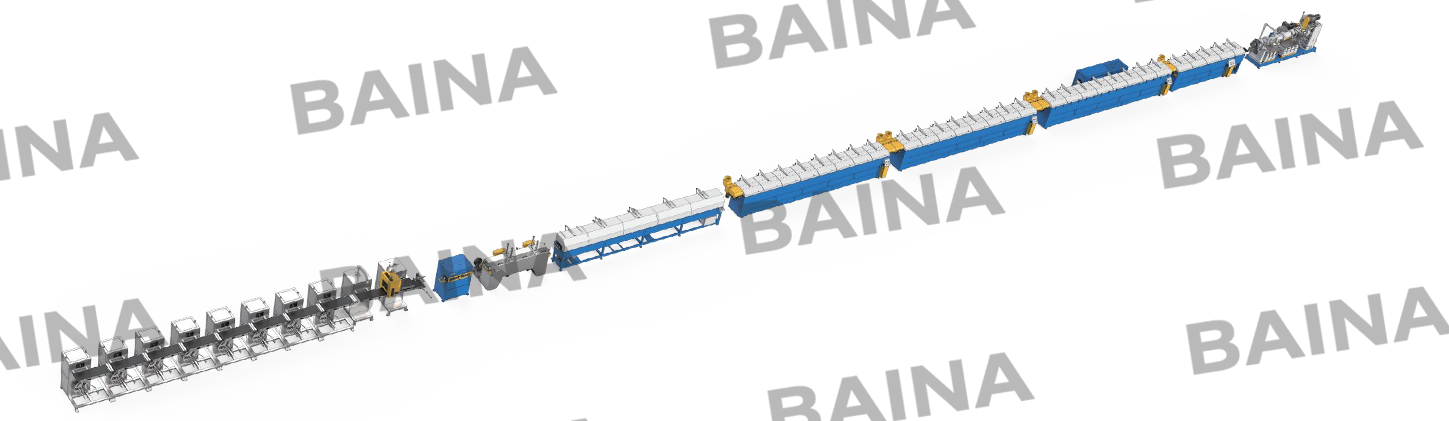
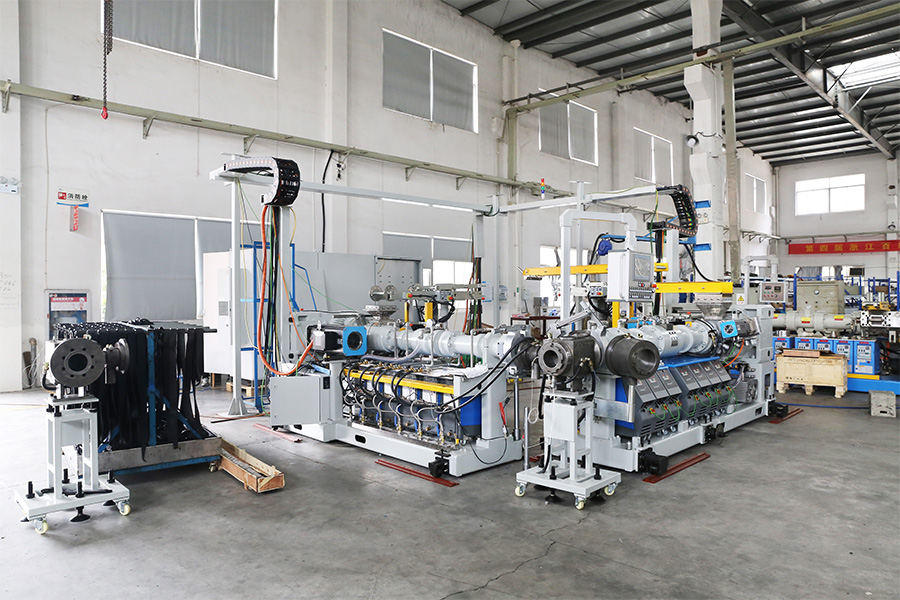
The transformation of raw rubber compound into a finished, cured profile is not accomplished by a single machine but by an integrated production line. A rubber extrusion line is a coordinated sequence of machinery, each unit performing a specific, critical function. This integrated system ensures consistent quality, dimensional accuracy, and material properties in the final product. The process can be systematically examined from four distinct yet interconnected aspects: the preparation and feeding of material, the shaping and sizing phase, the curing process, and the final handling and finishing. Each stage relies on the precise operation of the preceding one, making the line a cohesive industrial system rather than a collection of independent devices.
Material Preparation and Feeding
The initial aspect of the line focuses on preparing the rubber compound for consistent processing. Raw rubber is typically mixed with additives—such as fillers, plasticizers, curing agents, and anti-aging compounds—in internal mixers and open mills to create a homogeneous batch. For extrusion, this batch is then converted into a form suitable for continuous feeding. This often involves a pre-form extruder or a roller die, which converts the bulk rubber into continuous strips or pellets of uniform size and weight. These strips are fed into the main extruder's feed hopper, sometimes via a conveyor system. A consistent and uniform feed stock is fundamental; variations in the size or temperature of the feed strips can cause fluctuations in pressure and output from the main extruder, a phenomenon known as surging, which directly compromises the dimensional stability of the extrudate. Proper storage and handling of the compound prior to feeding, often involving temperature conditioning, are therefore considered essential preparatory steps.
Shaping and Sizing in the Extrusion Phase
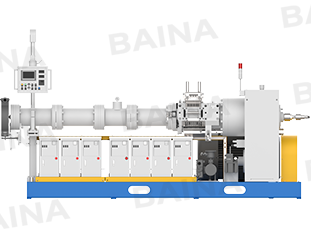
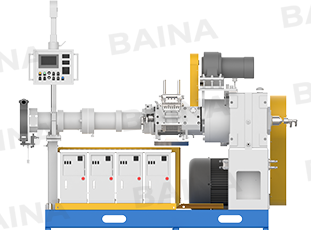
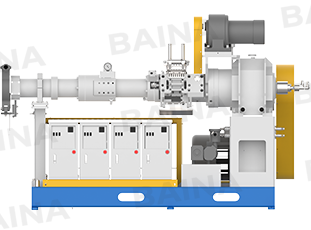
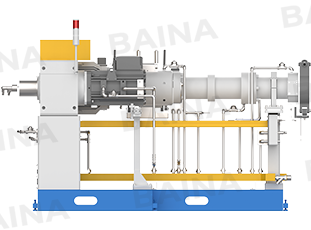
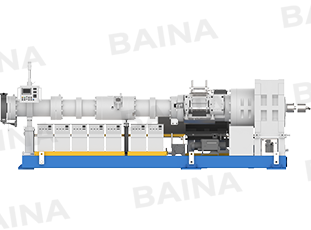
This phase centers on the core extruder machine, where the prepared rubber is plastified, compressed, and forced through a shaping die. Within the extruder barrel, the rotating screw generates shear and pressure, warming the compound to a viscous, plastic state. Temperature control along the barrel zones is critical to achieve the correct viscosity for shaping without initiating premature vulcanization. The compound is then conveyed to the die head, a custom-machined metal block with an opening that defines the two-dimensional cross-section of the product, such as a door seal or a hose lining. Upon exiting the die, the hot, soft rubber profile lacks its final dimensions and surface finish. It often passes immediately through a sizing and cooling unit. This may involve a vacuum sizing tank or calibrated cooling plates, where the profile is gently drawn through a calibrated sizing die while being cooled by water spray or immersion. This step stabilizes the shape and ensures precise dimensional tolerances before the profile enters the curing stage.
The Curing and Vulcanization Process
Since extruded rubber at this stage is thermoplastic-like and not yet cross-linked, it must be vulcanized to develop its elastic properties and permanent shape. The primary method for continuous vulcanization in an extrusion line is the hot-air or liquid curing medium (LCM) vulcanization tunnel. The extruded profile travels continuously through a long, heated chamber. In a hot-air tunnel, circulated hot air provides the thermal energy needed for the chemical cross-linking reaction. An LCM tunnel, often used for more complex profiles, uses a molten salt or fluidized bed as the heating medium, offering heat transfer. Precise temperature control throughout the tunnel's length is necessary to achieve a complete and uniform state of cure without surface degradation. For some products, such as wire and cable jackets, continuous steam vulcanization in a pressurized tube (CV tube) is employed. The length and temperature of the curing tunnel are directly calculated based on the line speed and the specific curing kinetics of the rubber compound used.
Downstream Handling and Finishing
After vulcanization, the profile enters the downstream section for final processing. It passes through a secondary cooling tank using circulating water to lower its temperature to a safe handling level. It is then dried, often with air knives. The continuous length is either wound onto large reels using a motorized haul-off and wind-up station or cut to specific lengths by a traveling saw or cutter. The haul-off unit, typically a caterpillar-type puller, provides the critical, steady tension that draws the profile through the entire line from the sizing unit onward. Its speed must be synchronized precisely with the extruder's output speed to prevent stretching or buckling of the product. Additional finishing operations, such as applying adhesives, surface treatments, or printing markings, may be integrated at this stage before the product is packaged for shipment.