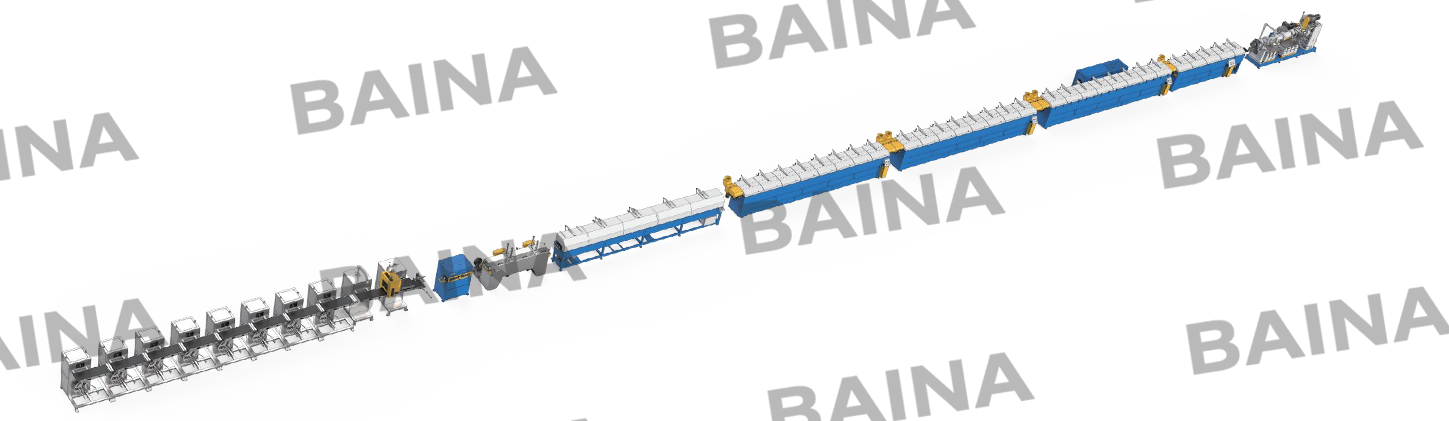
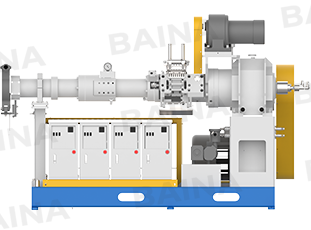
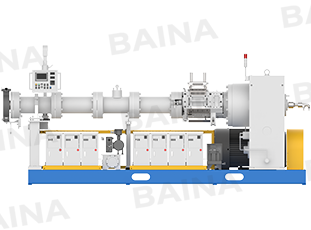
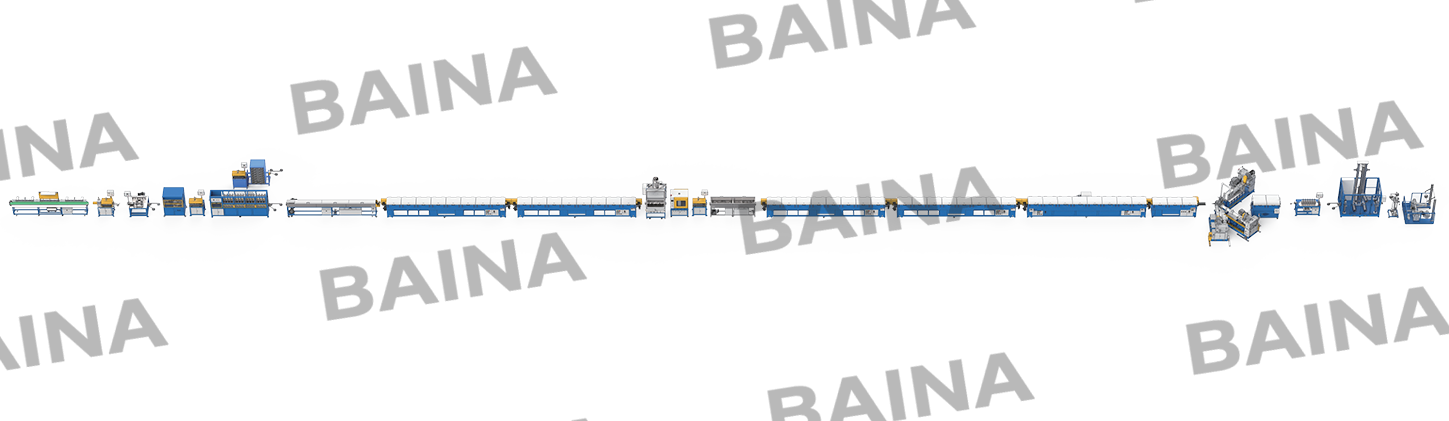
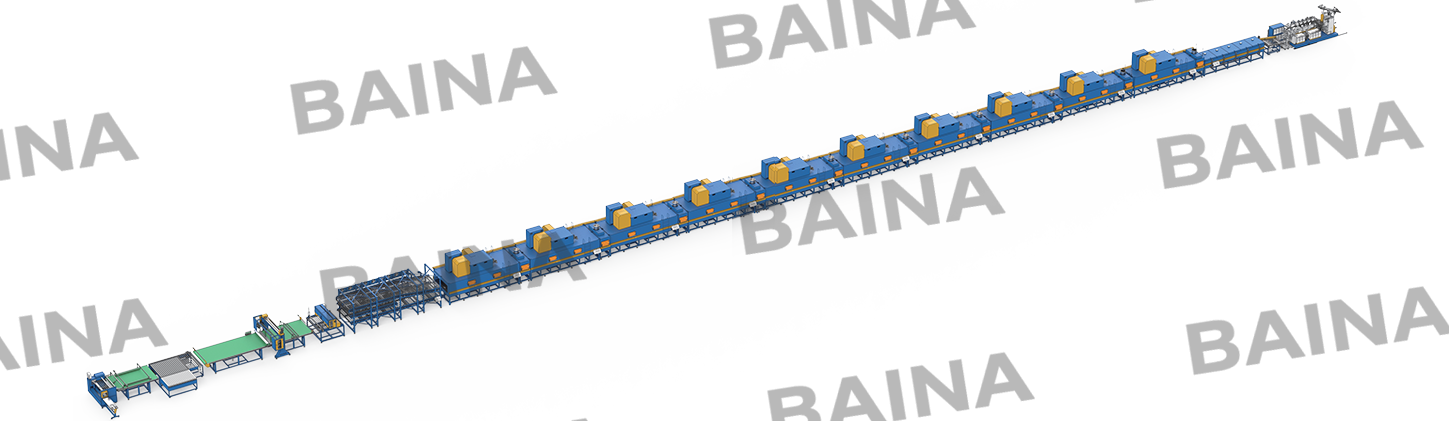
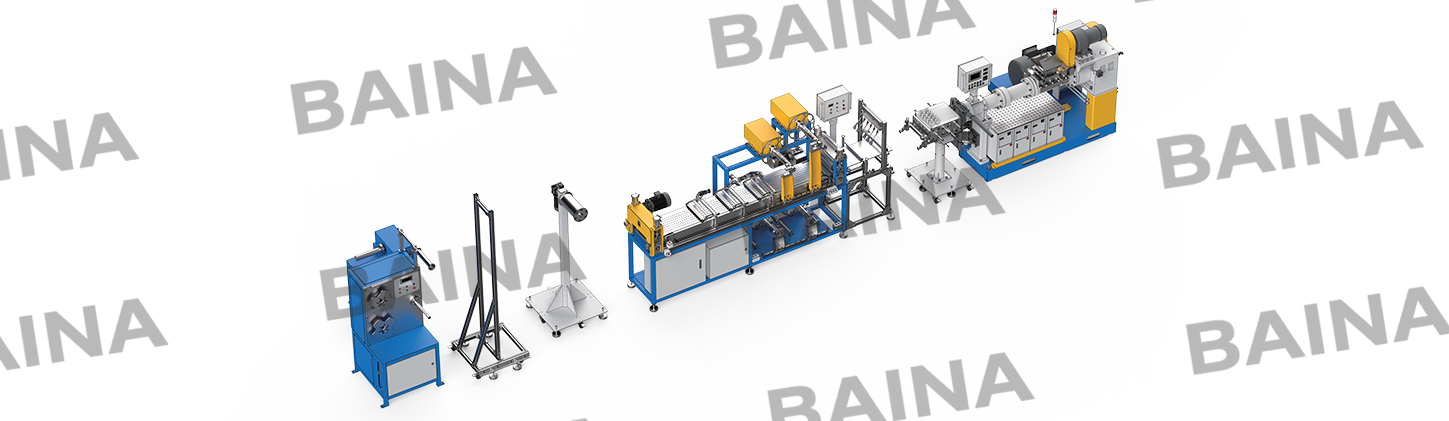
Rubber extrusion is a continuous manufacturing process used to produce profiles such as seals, gaskets, tubing, and insulation components. A typical rubber extrusion production line consists of a feeding system, an extruder with a screw and barrel assembly, a shaping die, a curing system, and downstream cooling and cutting equipment. Although the process is technically established, several recurring operational problems can affect product quality, dimensional accuracy, and equipment life.
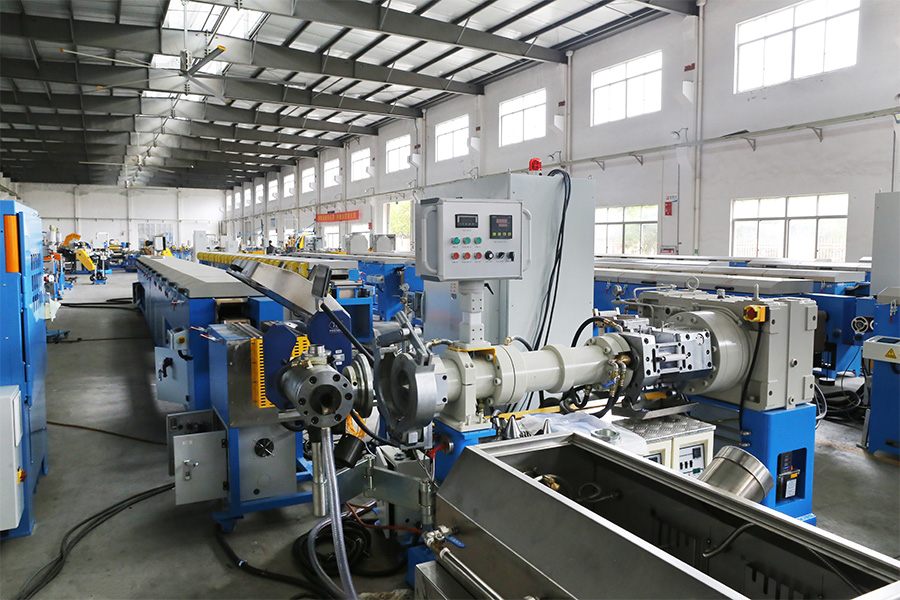
Unwanted Die Build-Up (Dieseling)
One common problem in rubber extrusion is die build-up, sometimes referred to as dieseling. This phenomenon involves the accumulation of degraded rubber compound or volatile by-products around the die exit. Over time, these deposits interfere with the smooth flow of material and can mark the surface of the extruded profile.
Dieseling is often associated with excessive shear heating, trapped air, or volatile ingredients in the rubber compound. When the compound is subjected to high pressure and temperature within the die, small amounts of entrapped gases or low-molecular-weight components may ignite or decompose, forming residues at the die lip. This build-up can cause surface streaks, roughness, or dimensional distortion.
Operational factors also contribute. If the temperature profile in the barrel is too high, partial degradation may occur before the compound exits the die. Inconsistent cleaning intervals further allow deposits to harden, making removal more difficult and increasing downtime. Preventive measures include optimized temperature settings, adequate venting when applicable, and regular die inspection and cleaning schedules.
Inconsistent Product Dimensions
Dimensional inconsistency is another frequent issue in rubber extrusion. Variations in wall thickness, width, or cross-sectional geometry can bring about product rejection, especially when profiles must meet defined tolerances for sealing or assembly applications.
Several factors contribute to dimensional instability. Rubber exhibits die swell due to its viscoelastic nature. As the material exits the die and pressure is released, elastic recovery causes expansion. If process conditions fluctuate, the degree of swell may vary along the production run.
Line speed also affects dimensions. Changes in extrusion rate without corresponding adjustments in downstream pulling or curing speed may stretch or compress the profile. Inadequate temperature control can further influence dimensional stability by altering compound viscosity and flow behavior.
In some cases, the design limitations are responsible. Uneven flow distribution inside the die can result in asymmetric expansion. To address dimensional inconsistency, operators often rely on continuous measurement systems and statistical process control methods to monitor trends and adjust screw speed, temperature, or haul-off speed accordingly.
Material Slippage or Inconsistent Flow
Stable material flow through the extruder is essential for uniform output. However, rubber compounds can present feeding challenges due to their elastic and tacky characteristics. Slippage may occur between the screw flights and the compound, especially if the formulation contains high levels of lubricants or processing oils.
Inconsistent feeding at the hopper is another cause of unstable flow. Bridging or irregular strip feeding can bring about a surge in extrusion pressure. Pressure fluctuations are often visible as periodic dimensional variation in the finished profile.
Screw design plays a role in flow consistency. Compression ratio, channel depth, and flight geometry must match the rheological properties of the rubber compound. If the screw is not appropriately designed for the formulation, inadequate mixing or poor plasticization may result.
Temperature control is closely linked to flow behavior. If the compound is too cold, it may resist deformation and slip rather than being conveyed efficiently. If too hot, viscosity decreases excessively, which may bring about uncontrolled flow or instability at the die exit. Consistent feed preparation and well-matched screw geometry are practical approaches to mitigating slippage issues.
Screw or Barrel Wear
Mechanical wear of the screw and barrel assembly is an inevitable aspect of long-term operation. Rubber compounds often contain reinforcing fillers such as carbon black, silica, or mineral additives. These materials can be abrasive, gradually eroding metal surfaces.
Wear increases the clearance between the screw and barrel, reducing pumping efficiency and pressure generation capability. As a result, extrusion output may decline or become unstable. Excessive wear can also impair mixing performance, bring about inconsistent compound temperature and flow.
Regular inspection of screw flight height and barrel inner diameter is necessary to assess wear progression. Surface treatments or hardened alloys may extend service life, but eventual refurbishment or replacement is required. Monitoring motor load and head pressure over time can provide early indications of reduced mechanical efficiency.
Poor Surface Finish or Dimensional Stability of the Extrudate
Surface defects such as roughness, tearing, or ripple marks are often visible indicators of process imbalance. These defects may arise from inadequate plasticization, trapped air, contamination, or die imperfections.
If the compound is not uniformly softened before reaching the die, incomplete fusion may occur, resulting in a rough or grainy surface. Entrapped air pockets can expand at the die exit, causing blisters or voids. Inadequate venting or improper feeding techniques may contribute to this issue.
Dimensional instability after extrusion is also a concern. Rubber profiles remain soft until vulcanization is completed. If cooling or curing conditions are not properly controlled, deformation may occur before the profile achieves sufficient structural stability. This can bring about warping or cross-sectional distortion.
Die maintenance is directly related to surface quality. Scratches, wear, or residue on die surfaces transfer to the product. Maintaining polished and clean die surfaces helps preserve a consistent appearance and geometry.