How Do Rubber Extruders Work?
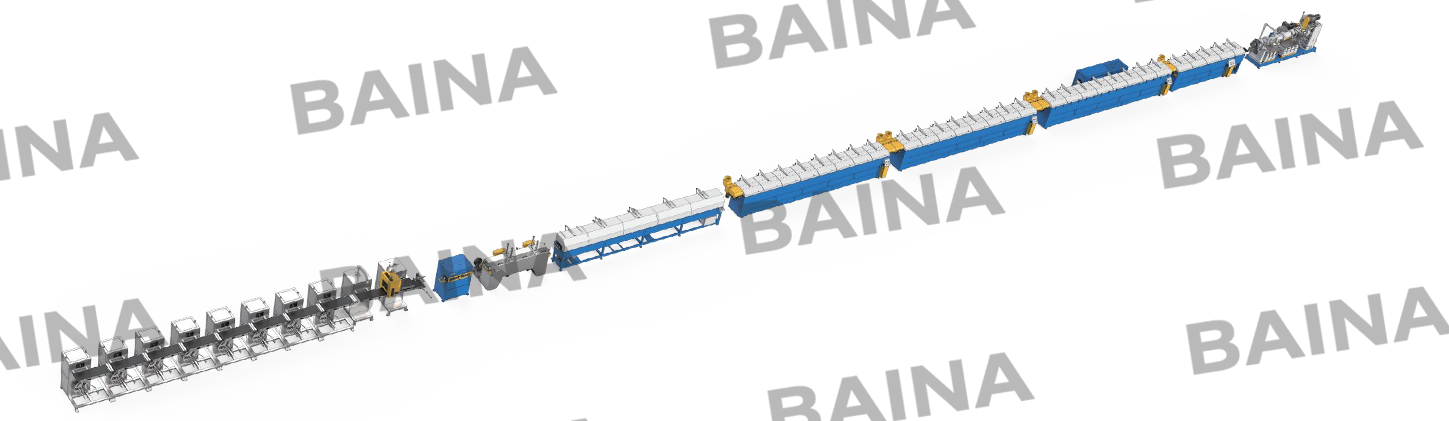
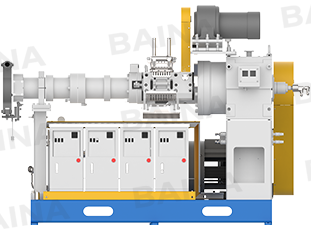
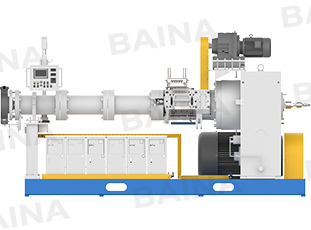
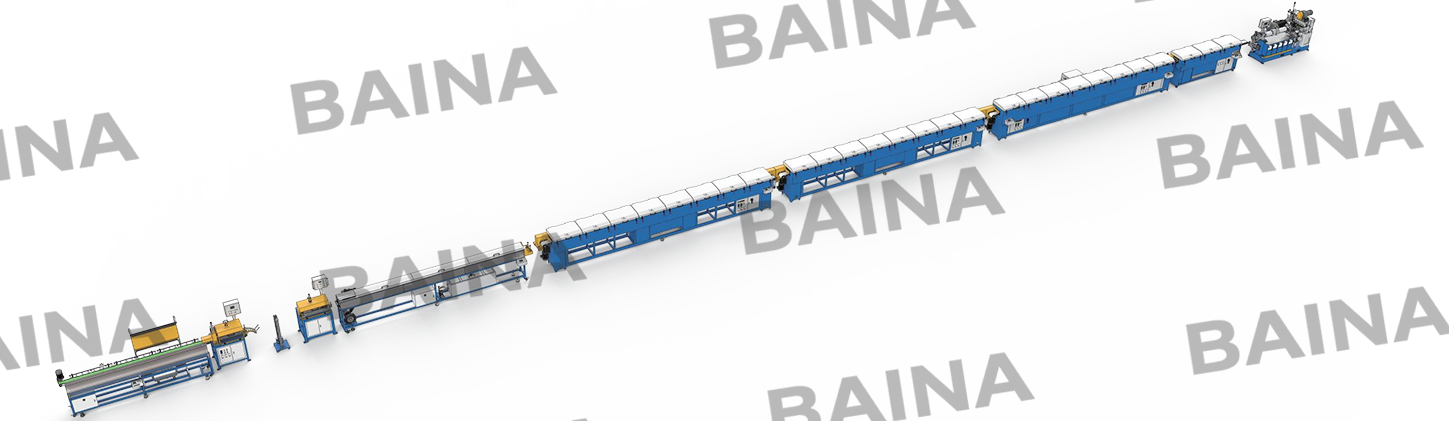
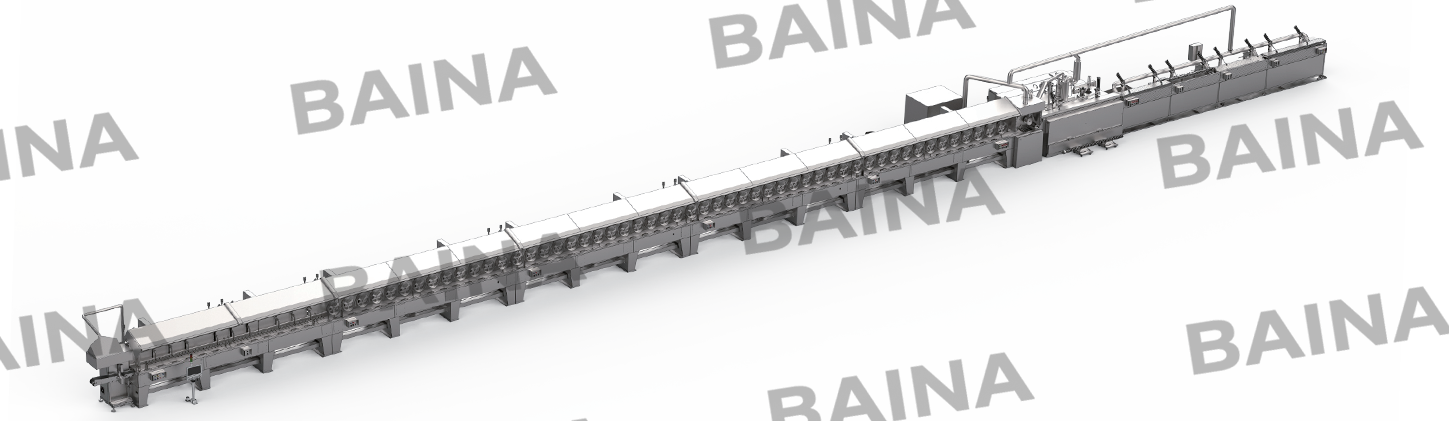
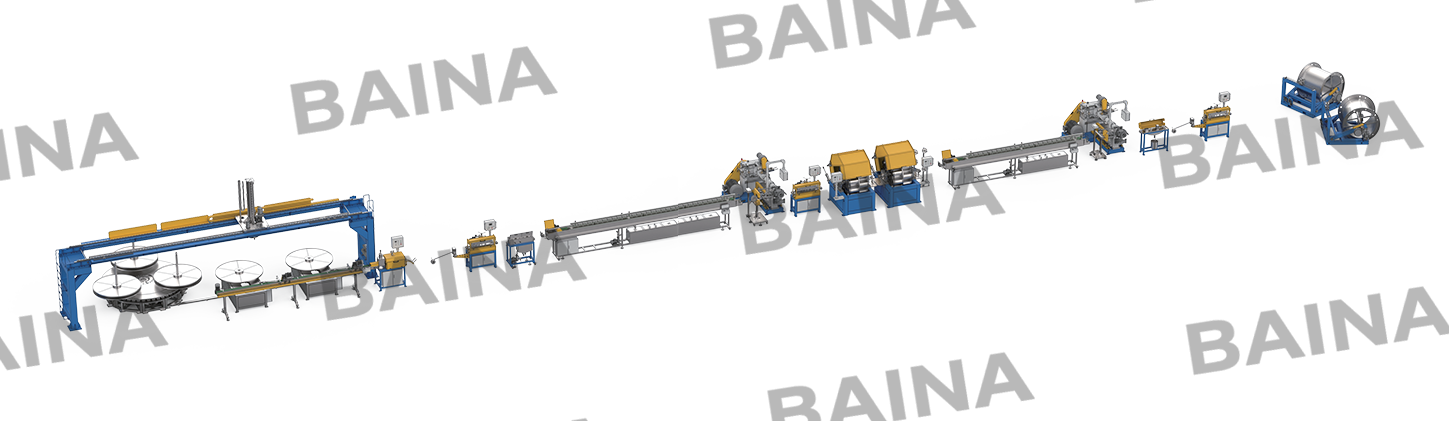
Rubber extruders operate based on a relatively simple mechanism involving heating, mixing, and compressing rubber to shape it according to specific requirements. The process is carried out in several stages, with each part of the extruder playing a distinct role.
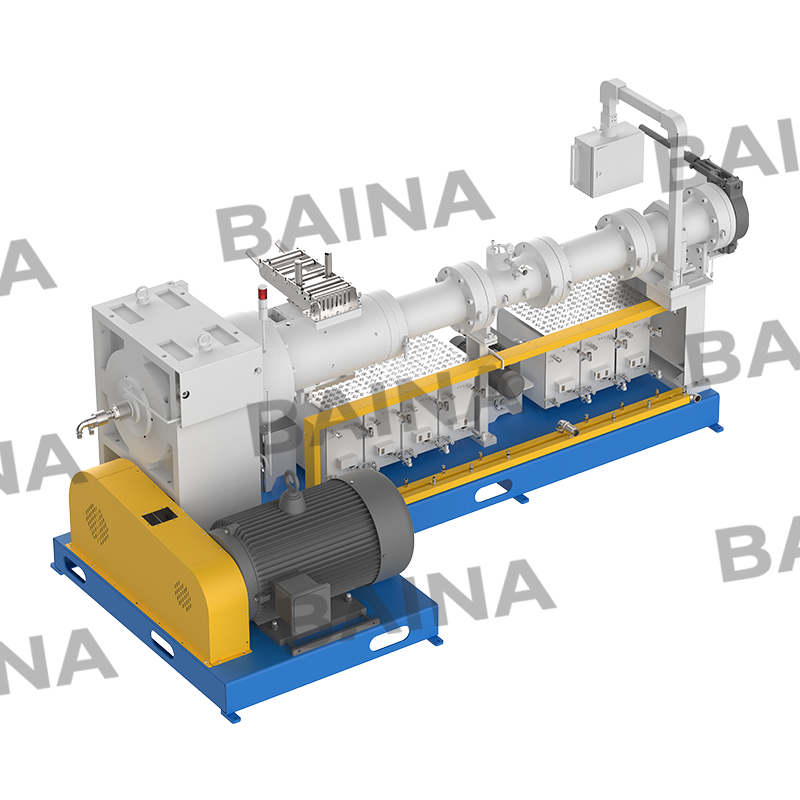
· Feeding and Mixing: The stage in the extrusion process involves feeding raw rubber compounds into the extruder's hopper. These compounds can include rubber, fillers, and other additives such as plasticizers and curing agents. In some systems, an internal mixing process takes place before extrusion to ensure uniform consistency in the material.
· Heating and Compression: Once the rubber compound is fed into the extruder, it moves through a barrel with a rotating screw. The screw inside the barrel applies pressure to the rubber, which is then heated by the barrel’s heating elements. This heating process softens the rubber, making it more malleable and easier to extrude through the die.
· Shaping and Cooling: The rubber is then forced through a die, which determines the shape and size of the final product. The extruded rubber is cooled, either by air or water, as it exits the die, which solidifies the material into the desired form. The rubber product is then cut to length or rolled into coils, depending on the specific production requirements.
The process is designed for high efficiency, allowing for continuous production and shaping of rubber products in various forms.
What Are the Different Types of Rubber Extruders?
Rubber extruders come in various types, each designed to meet specific needs based on the product being manufactured. The key differences among them lie in their capacity, the type of material they process, and their configurations.
|
Type of Extruder
|
Description
|
Common Applications
|
|
Single-Screw Extruder
|
A simple design with one screw to move the material through the barrel.
|
Used for general-purpose rubber products, such as rubber sheets and profiles.
|
|
Twin-Screw Extruder
|
Features two intermeshing screws that allow for better mixing and processing of materials.
|
Ideal for processing complex rubber compounds and products that require precise mixing, such as seals or gaskets.
|
|
Co-rotating Extruder
|
The screws rotate in the same direction, providing enhanced material processing capabilities.
|
Commonly used in industries that require the processing of high-performance rubber compounds, such as automotive parts.
|
|
Counter-rotating Extruder
|
The screws rotate in opposite directions, ensuring more thorough mixing of the rubber material.
|
Suitable for high-viscosity materials or products that need higher throughput and less degradation.
|
What Are the Applications of Rubber Extruders?
Rubber extruders are used across many industries where rubber products are needed. These applications vary widely, with each industry requiring specific characteristics in the rubber products they manufacture. Below are some common applications:
1. Automotive Industry
In the automotive sector, rubber extruders are used to create parts such as seals, gaskets, hoses, and weather stripping. These components must meet strict quality standards and often require materials that can withstand high temperatures and harsh environmental conditions. Rubber extruders allow manufacturers to produce these parts efficiently while maintaining high precision.
2. Construction
Rubber extruders are also widely used in the construction industry to manufacture products like seals for windows, doors, and roofing materials. Rubber components in construction must be durable and resistant to weathering, making extrusion a key process for producing reliable building materials.
3. Electronics and Consumer Goods
Rubber extruders are used to create insulation materials for wires, cables, and other electronic components. They are also used in the production of rubber bands, mats, and other consumer goods. These applications require rubber to be flexible, durable, and resistant to environmental factors.
How Do You Maintain a Rubber Extruder?
Proper maintenance of a rubber extruder is essential for ensuring its longevity, performance, and efficiency. Regular maintenance helps prevent breakdowns, improves product quality, and reduces production downtime. Below are key maintenance practices for rubber extruders:
1. Regular Cleaning
After each production run, it is crucial to clean the extruder to remove any residual rubber or material buildup. This prevents contamination and ensures that the next batch of rubber is processed without issues. Cleaning should involve disassembling parts such as the barrel, screw, and die, then cleaning them thoroughly with specialized solvents or cleaners.
2. Inspection and Lubrication
The moving parts of the extruder, particularly the screw and motor, need regular inspection and lubrication. Proper lubrication reduces friction, prevents overheating, and ensures that parts work smoothly over time. Regular checks for wear and tear should be performed on components like seals, bearings, and gears.
3. Temperature and Pressure Control
Since temperature and pressure control are critical to the extrusion process, operators should regularly monitor and calibrate heating elements, sensors, and pressure systems. This ensures the rubber material is processed under conditions, preventing defects in the final product.