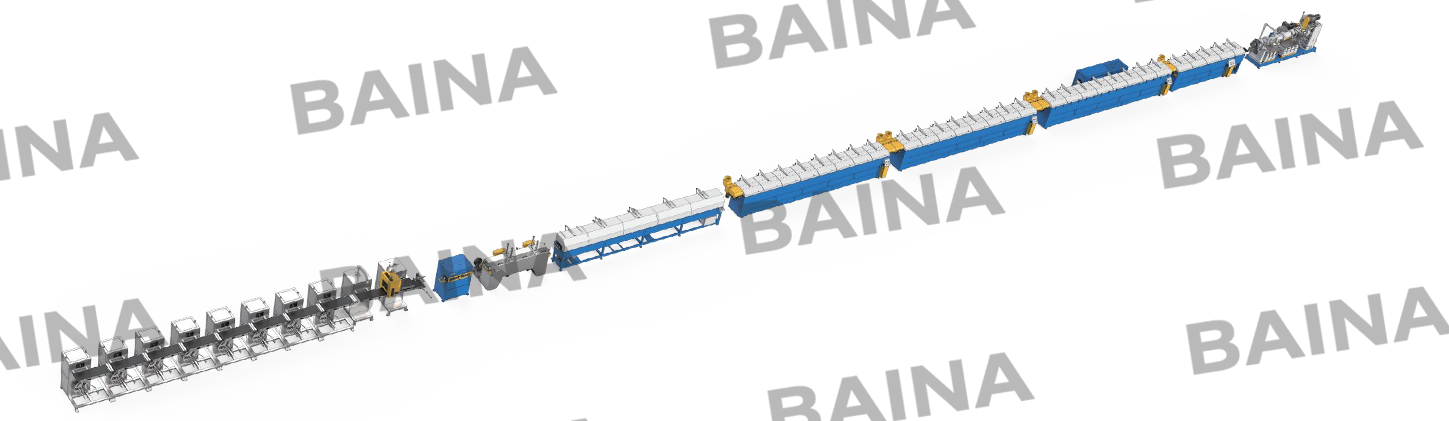
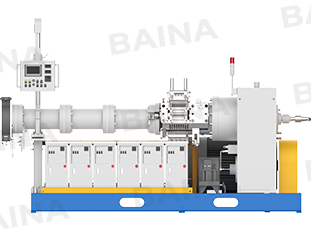
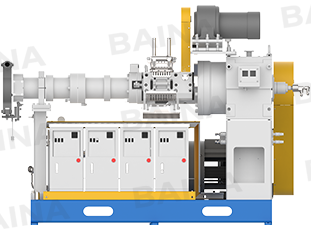
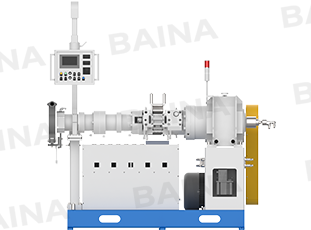
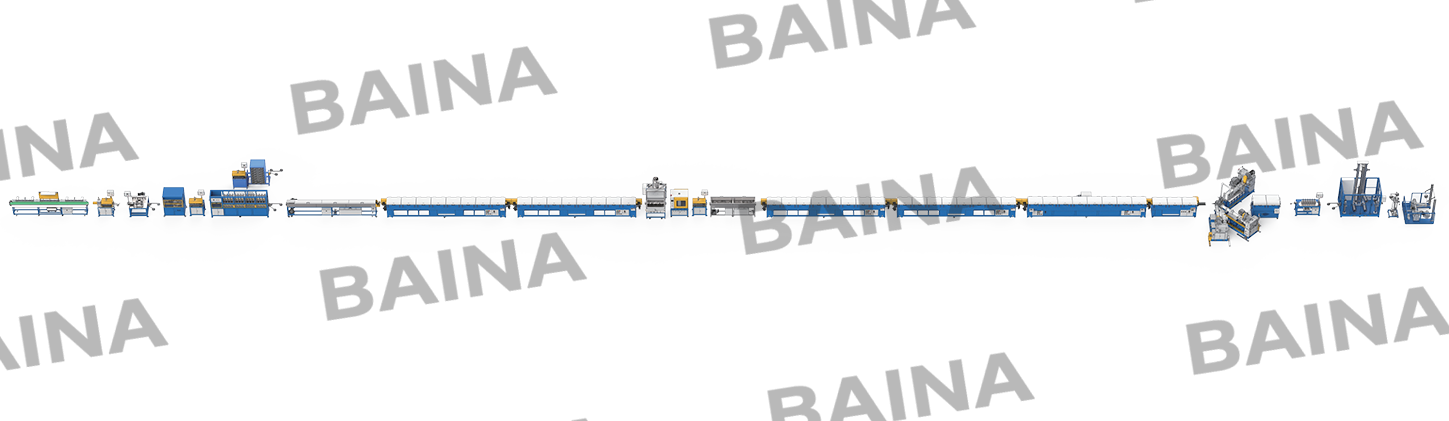
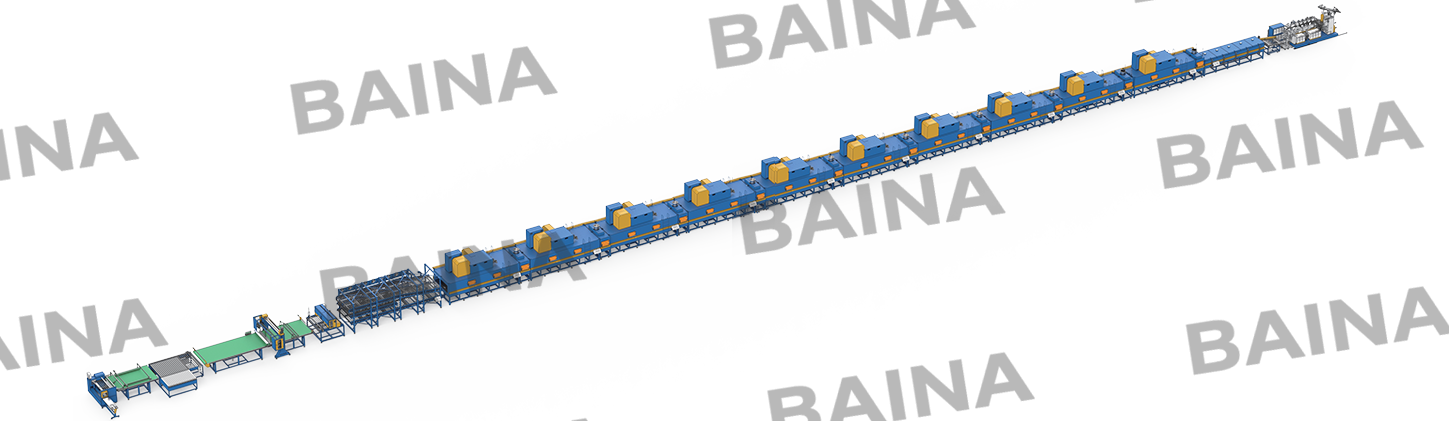
The demand for faster, more controlled thermal processing has pushed industrial heating technologies into a new direction. A microwave curing oven is now becoming a serious alternative in applications where conventional hot air systems struggle with depth penetration, energy loss, and uneven curing behavior. Our company has been developing next-generation solutions that combine microwave energy with controlled thermal fields to reshape how curing processes are executed in modern production lines.
Unlike conventional curing methods that rely mainly on surface heat transfer, microwave-based systems introduce volumetric heating, allowing energy to interact directly with polar molecules inside the material. This shift changes not only curing speed but also internal material behavior during polymer cross-linking and composite stabilization.
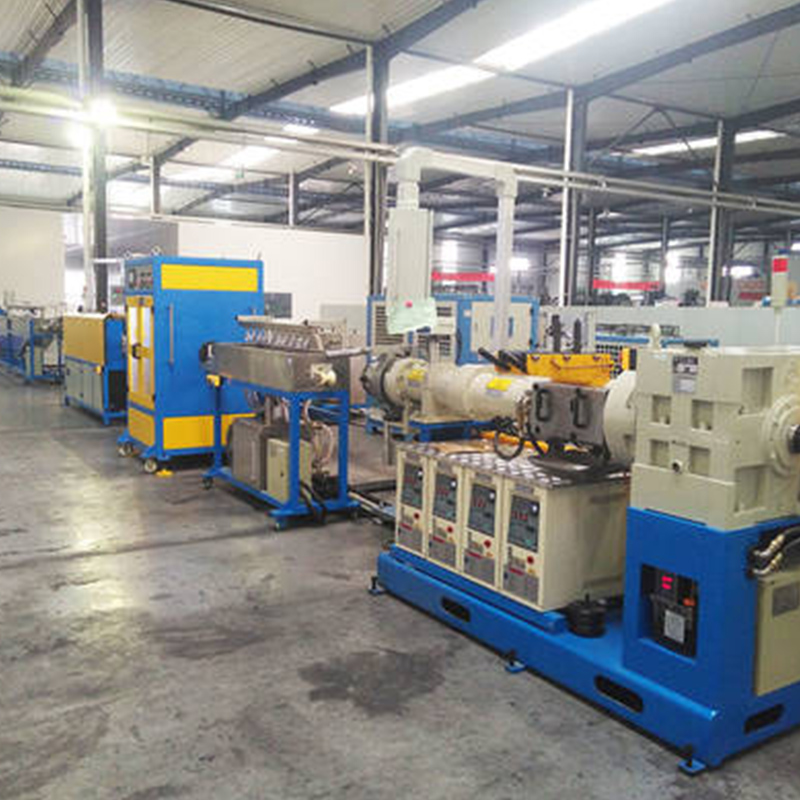
Volumetric Energy Interaction Changes the Curing Logic
Microwave energy interacts directly with dielectric materials, producing heat internally rather than transferring it from an external source. This mechanism reduces temperature gradients across thick or complex parts, which is a common limitation in conventional curing ovens used for coatings, adhesives, and polymer composites.
Key observed behavior in industrial environments:
- Heat forms simultaneously throughout the material body
- Reduced risk of surface over-curing while core remains underprocessed
- More stable chemical reaction pathways during polymerization
- Improved repeatability across multi-layer assemblies
Our company integrates controlled microwave field distribution to maintain balance between penetration depth and surface stability, especially in dense composite structures.
Hybrid Thermal Architecture for Controlled Reactions
A pure microwave environment is rarely used alone in industrial production. Instead, hybrid structures are applied where microwave zones work alongside hot-air circulation modules. This combination allows more precise control over reaction kinetics.
Typical configuration used in our company’s microwave curing oven systems:
- Microwave frequency: 2450 MHz or 915 MHz options
- Power range: 6 kW to 120 kW depending on chamber size
- Temperature support system: ambient +20°C up to 320°C
- Conveyor speed: 0.5–6 m/min adjustable line integration
- Multi-zone cavity design with independent field tuning
This structure enables selective energy delivery. Microwave energy accelerates internal reaction initiation, while thermal airflow stabilizes external geometry.
Material Phase Control Beyond Standard Curing
One of the less discussed advantages of microwave-based curing is its influence on phase transition timing. Instead of relying purely on external heat thresholds, microwave energy can trigger earlier molecular activation within resin systems.
Practical effects observed in industrial testing:
- Shorter gelation delay in epoxy-based systems
- More uniform cross-link density distribution
- Reduced internal void formation in composite laminates
- Improved adhesion stability in layered bonding systems
These effects are particularly relevant in aerospace-grade composites, electrical insulation components, and high-performance rubber vulcanization lines. Industrial studies in microwave processing confirm its effectiveness in polymer and composite transformation processes across multiple sectors.
Nonlinear Heating Behavior as a Process Tool
Traditional ovens rely on predictable heat gradients, but microwave curing introduces nonlinear heating behavior that can be engineered rather than avoided. Our company treats this behavior as a controllable variable instead of a limitation.
Engineering approach applied:
- Field mapping inside cavity using multi-point sensors
- Dynamic power modulation during curing cycles
- Feedback-based temperature balancing system
- Zone-based microwave injection control
This allows operators to intentionally design curing profiles that vary across part geometry, which is especially useful in parts with mixed thickness or embedded metal inserts.
Application Shift Toward Functional Material Manufacturing
Microwave curing is no longer limited to adhesives or coatings. Industrial trends show increasing adoption in advanced functional materials, including conductive composites and engineered polymer blends.
Current application directions include:
- Carbon-fiber reinforced thermoset components
- High-density insulation foams with controlled porosity
- Automotive sealing systems with multi-layer bonding
- Electronics encapsulation requiring low thermal stress
Industry references show curing systems are now designed for both batch and continuous production modes, supporting scalable manufacturing environments.
Process Monitoring and Digital Control Integration
Modern microwave curing systems are not standalone heating chambers anymore. They are integrated process platforms with real-time monitoring and adaptive control.
Our company implements:
- Real-time dielectric response monitoring
- Infrared-assisted surface tracking system
- PLC-based microwave power modulation
- Remote diagnostic interface for production data logging
This allows operators to correlate energy input directly with curing progression rather than relying solely on preset temperature curves.
Structural Advantages in Production Environments
Beyond material science, microwave curing ovens introduce structural benefits to production planning:
- Reduced footprint compared to long thermal tunnels
- Faster line balancing due to shorter curing cycles
- Lower idle energy consumption during standby phases
- Improved flexibility for mixed-product production runs
These advantages support manufacturers moving toward flexible production systems instead of fixed high-volume lines.
Closing Perspective from Our Company
Our company continues to refine microwave curing oven architecture toward more adaptive energy delivery systems. The focus is shifting from simple heating equipment to intelligent thermal reaction platforms capable of adjusting energy behavior in real time.
Microwave curing is no longer an experimental approach. It is evolving into a structured manufacturing method where electromagnetic energy becomes a direct tool for material design rather than just a heat source.