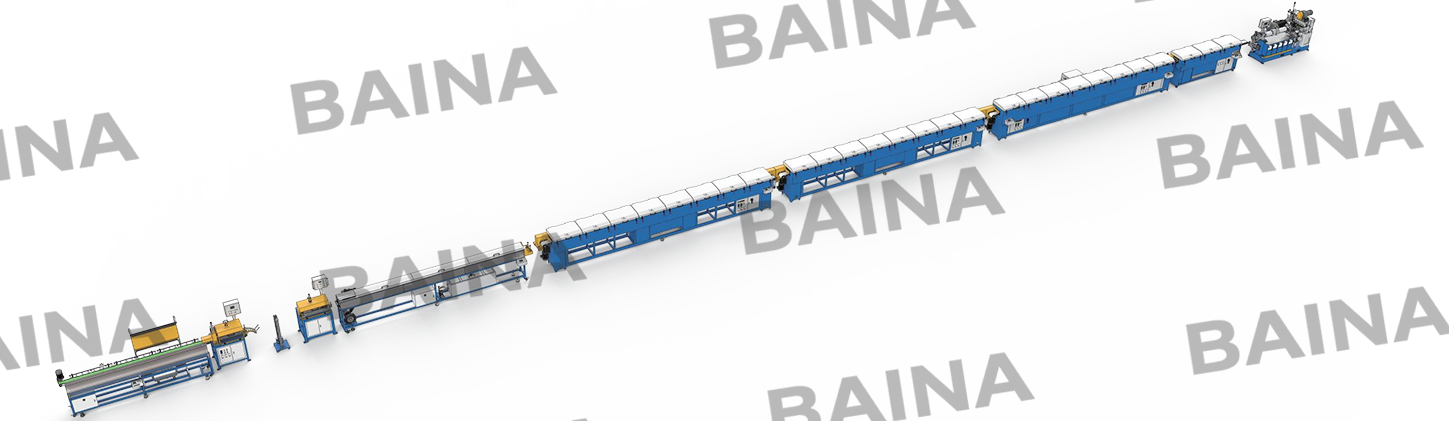
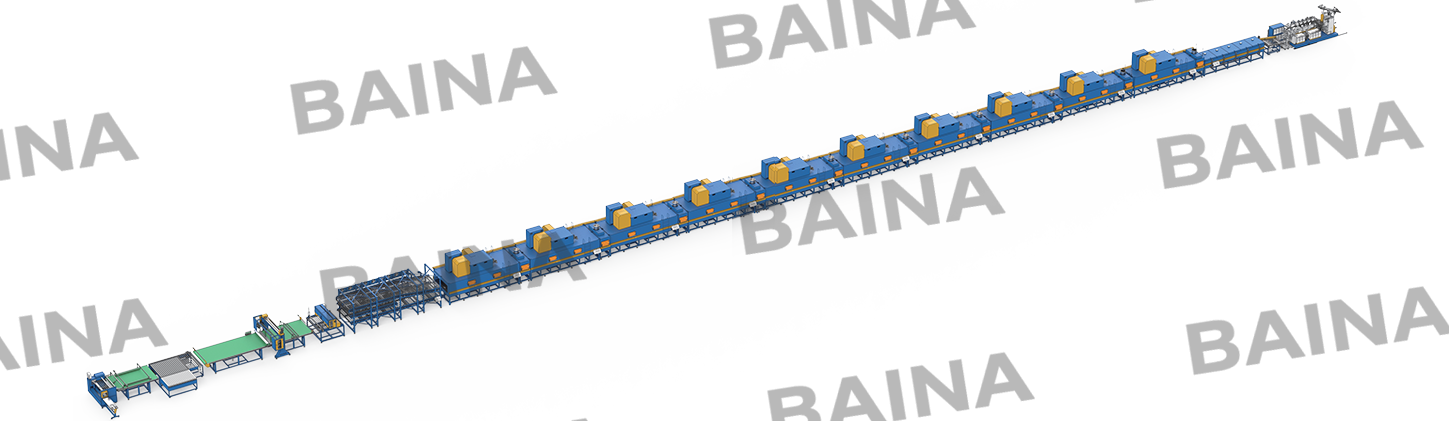
Rubber sheets are widely used in industrial sealing, vibration isolation, electrical protection, automotive components, and heavy equipment applications. Although material formulation and curing temperature receive significant attention, pressing pressure is another factor that directly affects the final properties of rubber sheets.
During vulcanization, rubber material is placed between heated platens and compressed under controlled pressure. The combination of heat, pressure, and curing time allows rubber molecules to form cross-linked structures and achieve the required elasticity, strength, and dimensional stability. A Rubber Plate Vulcanizing Machine provides this controlled pressing environment by applying hydraulic force and maintaining stable platen conditions throughout the curing cycle.
However, pressing pressure does not work alone. The final performance of a rubber sheet depends on the balance between pressure, temperature, curing time, compound characteristics, and mold design.
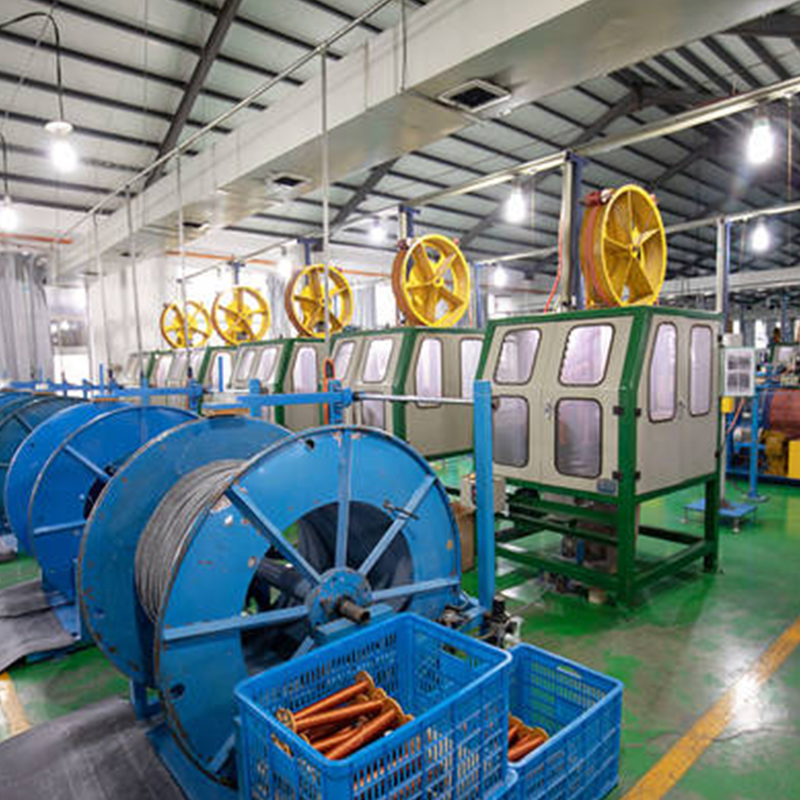
How Pressing Pressure Influences Rubber Sheet Structure
Pressure affects how evenly rubber material fills the mold cavity and how consistently the internal structure develops during vulcanization.
A suitable pressure level can help achieve:
- Uniform sheet thickness
- Reduced internal voids
- Better contact between rubber and mold surfaces
- More consistent mechanical properties
During the pressing process, hydraulic systems generate force through cylinders, allowing the upper and lower heated plates to compress the rubber material evenly. Many industrial vulcanizing presses use adjustable pressure control because different rubber compounds and sheet thicknesses require different processing conditions.
Can Higher Pressure Always Improve Rubber Sheet Performance?
A common misunderstanding is that increasing pressure will automatically create stronger rubber sheets. The actual result depends on the relationship between pressure and material behavior.
Excessive Pressure May Create New Problems
Too much pressure can cause:
- Excessive material flow outside the mold area
- Uneven thickness caused by material displacement
- Stress concentration inside the sheet
- Damage to certain soft rubber formulations
Soft rubber compounds with high elasticity may require different pressure settings compared with rigid rubber materials. A pressure value suitable for one product may not provide the same result for another application.
Insufficient Pressure Can Affect Density
Low pressing pressure may prevent the rubber compound from filling the mold surface. Possible results include:
| Problem |
Possible Effect on Rubber Sheet |
| Air trapped inside material |
Internal bubbles or weak areas |
| Incomplete mold filling |
Uneven edges and thickness variation |
| Poor compression |
Reduced surface quality |
For flat rubber products, maintaining stable pressure throughout the curing period is important because the material continues changing during vulcanization.
The Relationship Between Pressure and Rubber Hardness
Rubber hardness is influenced by formulation, curing conditions, and processing parameters. Pressing pressure does not directly determine hardness, but it affects whether the material can cure evenly.
A rubber sheet with inconsistent pressure distribution may show differences between:
- Center area and edge area
- Upper surface and lower surface
- Thin sections and thick sections
For example, a large rubber plate requires careful pressure distribution because the distance between the center and edge areas can create different compression conditions.
Why Large Rubber Sheets Need Better Pressure Balance
Producing large rubber sheets creates additional challenges. The larger the working area, the harder it becomes to maintain equal force across the entire platen surface. A quality Rubber Plate Vulcanizing Machine usually requires:
| Design Feature |
Purpose |
| Rigid machine frame |
Reduces deformation during pressing |
| Parallel hot plates |
Maintains uniform compression |
| Hydraulic pressure control |
Provides stable force output |
| Pressure monitoring system |
Detects pressure changes during curing |
Large platen structures are often designed with reinforced frames and hydraulic systems to maintain stable pressing force during operation.
How Different Rubber Materials Respond to Pressure
Different rubber compounds have different flow characteristics and compression requirements.
| Rubber Material |
Pressure Consideration |
| Natural Rubber (NR) |
Requires balanced pressure to maintain elasticity |
| EPDM Rubber |
Needs stable compression for weather-resistant sheets |
| NBR Rubber |
Pressure control affects oil-resistant sheet consistency |
| Silicone Rubber |
Requires careful control because of high flexibility |
A manufacturer producing multiple rubber sheet types needs flexible equipment settings rather than using one fixed pressure value for every product.
Pressure, Temperature, and Time Must Work Together
Vulcanization quality depends on three major process parameters:
| Parameter |
Main Function |
| Pressure |
Shapes material and improves contact with the mold |
| Temperature |
Activates the vulcanization reaction |
| Time |
Allows sufficient curing completion |
Changing one parameter without adjusting the others may create inconsistent results. For example, increasing temperature may shorten curing time, but pressure still needs to remain stable to maintain proper sheet thickness and surface quality.
What Features Should a Rubber Plate Vulcanizing Machine Provide?
A suitable machine configuration depends on product requirements, but several features are important for stable rubber sheet production.
Accurate Hydraulic Pressure Control
Hydraulic systems allow operators to adjust and maintain pressing force according to different rubber formulations and sheet sizes.
Uniform Heating Plate Design
Pressure alone cannot create consistent vulcanization. The heated plates must provide even temperature distribution so that the entire rubber sheet cures under similar conditions.
Automatic Control System
Modern machines often integrate PLC control systems to manage:
- Pressure setting
- Heating temperature
- Curing duration
- Pressing cycles
This improves repeatability during continuous production.
Common Pressure-Related Production Issues
| Issue |
Main Cause |
| Uneven rubber sheet thickness |
Unbalanced pressure distribution |
| Surface defects |
Incorrect compression conditions |
| Internal bubbles |
Insufficient material compression |
| Edge overflow |
Excessive pressing force |
| Different hardness areas |
Uneven curing environment |
Understanding these problems helps manufacturers adjust machine parameters before quality issues become larger production losses.
Is Pressing Pressure the Deciding Factor?
Pressing pressure plays an important role in rubber sheet performance, but it is only one part of the vulcanization process. The final quality depends on how pressure works together with:
- Rubber compound design
- Heating system accuracy
- Mold structure
- Curing time control
- Equipment stability
A properly adjusted Rubber Plate Vulcanizing Machine helps manufacturers achieve consistent rubber sheets by creating a controlled environment where pressure, heat, and time remain balanced.
Pressing pressure has a direct influence on rubber sheet formation, thickness consistency, and internal structure. However, successful vulcanization is not achieved through pressure alone. The interaction between hydraulic force, temperature distribution, material characteristics, and curing parameters determines the final product performance.
For rubber sheet manufacturers, understanding pressure behavior allows better control over production quality and helps create sheets that meet different industrial requirements with stable physical properties.