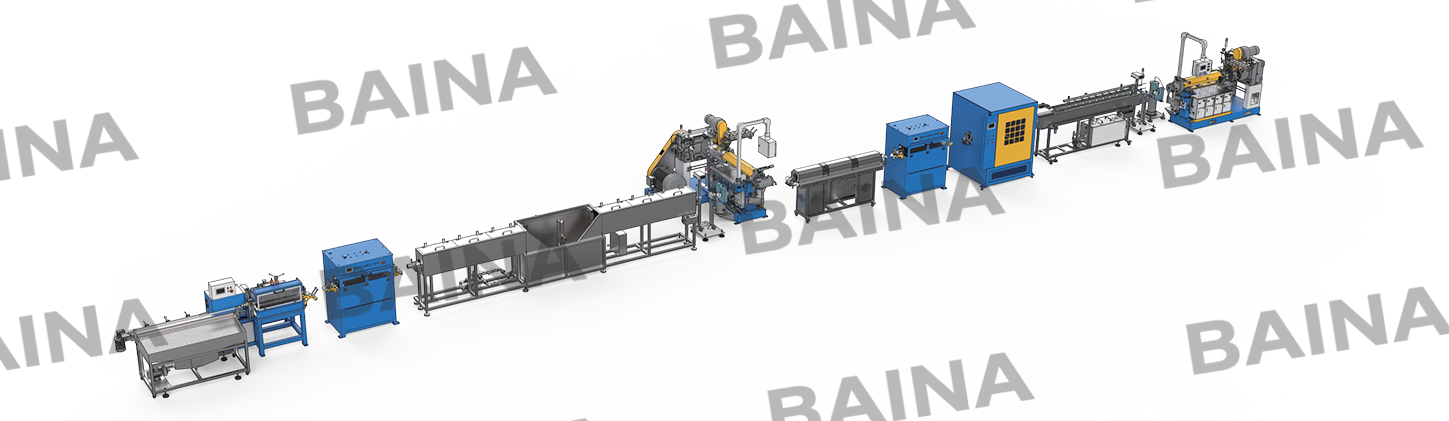
Ф75mm 16D Cold Feed Rubber Extruder
Cat:Extruder Series
Motor Power: 37 kWMaximum Output: 150 kg/h
See Details

Silicone tubing, sealing strips, and custom profiles can be manufactured with different material structures depending on their intended applications. Some products require a uniform silicone composition throughout the cross-section, while others benefit from combining materials with different hardness levels, colors, or functional properties. Understanding these differences helps manufacturers determine whether single-layer extrusion or multi-layer extrusion fits their product specifications.
A silicone rubber extruder machine can form continuous silicone profiles through a specially designed die. The required equipment configuration depends on the compound, profile geometry, layer arrangement, and curing method. Comparing these two extrusion approaches provides a practical starting point for product development and equipment planning.
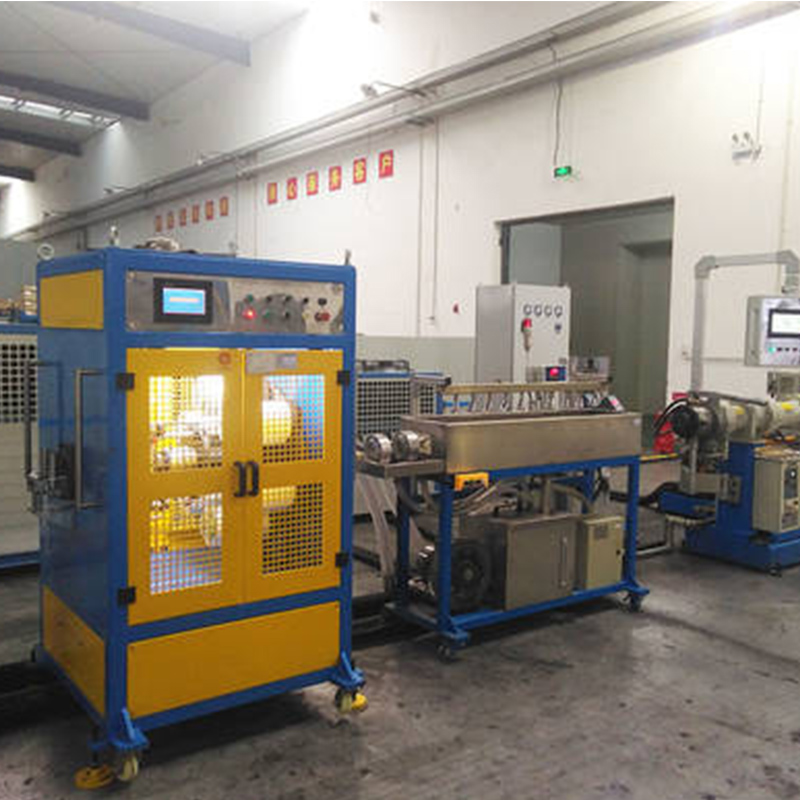
Single-layer extrusion uses a single silicone compound to create a continuous profile with a consistent material structure. The compound passes through the extruder and exits through a die that determines the initial cross-sectional shape. The product then moves through the appropriate curing and downstream handling stages.
This method is commonly used for products such as:
A single-layer structure is suitable for products that can meet their functional requirements with one compound. It also simplifies material feeding, tooling configuration, and process monitoring compared with a system that must coordinate multiple material streams.
Multi-layer extrusion combines two or more material streams into a single profile. Depending on the design, the layers may use different silicone formulations, hardness levels, or colors. Specialized extrusion heads and tooling guide the materials into their intended positions before the profile enters the curing stage.
Potential applications include:
Material compatibility is a key consideration. The compounds must be suitable for the selected extrusion and curing process, and the interface between layers needs adequate bonding. Differences in viscosity, flow behavior, and curing characteristics can affect layer distribution and adhesion.
| Comparison factor | Single-layer extrusion | Multi-layer extrusion |
| Material structure | One compound throughout the profile | Two or more coordinated material layers or sections |
| Equipment configuration | Generally simpler feeding and die arrangements | Requires suitable multi-material feeding and extrusion tooling |
| Product design | Suitable for uniform material requirements | Supports different functional properties in separate regions |
| Process control | Focuses on stable flow, dimensions, and curing | Also requires layer ratio, interface, and material compatibility control |
| Tooling requirements | Die designed around one compound and profile geometry | Die must manage multiple material streams and their arrangement |
| Production cost | Generally involves fewer process components | May involve additional tooling, material handling, and process validation |
Neither structure is automatically suitable for every application. A product drawing, performance specification, and material assessment should guide the decision rather than the number of layers alone.
Products requiring uniform flexibility can often use a single silicone compound. A profile that combines a flexible sealing lip with a firmer supporting section may benefit from a multi-material design. Hardness values should be specified using the appropriate Shore scale, with compatibility between the compounds assessed during development.
Hollow tubes, narrow strips, and complex profiles place different demands on the extrusion die. Multi-layer designs add further considerations because each material must occupy the intended region without creating uneven walls, distorted interfaces, or inconsistent dimensions.
Silicone compounds need a curing process appropriate to their formulation. Multi-layer products require particular attention to the interaction between compounds during vulcanization. Differences in cure rate or processing temperature may affect bonding, dimensional stability, and final mechanical properties.
Single-layer equipment may be suitable for straightforward products with established specifications. Multi-layer extrusion can justify its additional complexity for applications that require distinct material properties within one profile. Buyers should compare tooling costs, material consumption, validation requirements, and anticipated production quantities before making a decision.
Preparing clear product information helps equipment suppliers recommend a suitable extrusion configuration. Buyers should review the following details before confirming a machine specification.
Trial extrusion is particularly useful for multi-layer products. Samples can be examined through cross-sectional inspection, dimensional measurement, and suitable mechanical testing to verify that the proposed structure meets the application requirements.
Single-layer and multi-layer silicone extrusion serve different manufacturing needs. A single compound provides a straightforward route for uniform tubes, cords, and sealing profiles. Multi-layer extrusion offers additional design possibilities for products that require different hardness levels, colors, or material properties within one continuous component.
The decision should begin with the finished product rather than the machine configuration. By defining the cross-section, compound properties, bonding requirements, and curing conditions, manufacturers can establish a suitable extrusion approach and evaluate the tooling and production-line capabilities needed to achieve consistent results.
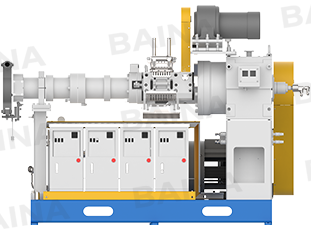
Motor Power: 37 kWMaximum Output: 150 kg/h
See Details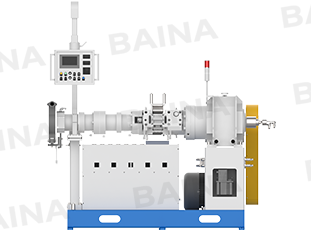
Motor Power: 22 kWMaximum Output: 120 kg/h
See Details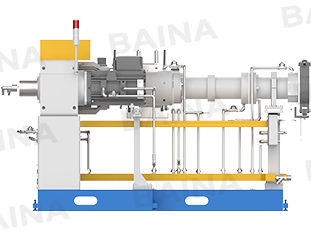
Motor Power: 45 kWMaximum Output: 280 kg/h
See Details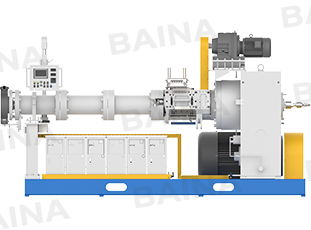
Motor Power: 160 kWMaximum Output: 1000 kg/h
See DetailsSilicone tubing, sealing strips, and custom profiles can be manufactured with different material str......
READ MORETwo rubber parts made from the same compound may show different hardness readings, even though they ......
READ MORESilicone profiles come in many forms, including sealing strips, flexible tubes, gaskets, and custom-......
READ MORE

Rubber Extrusion Machine and Equipment