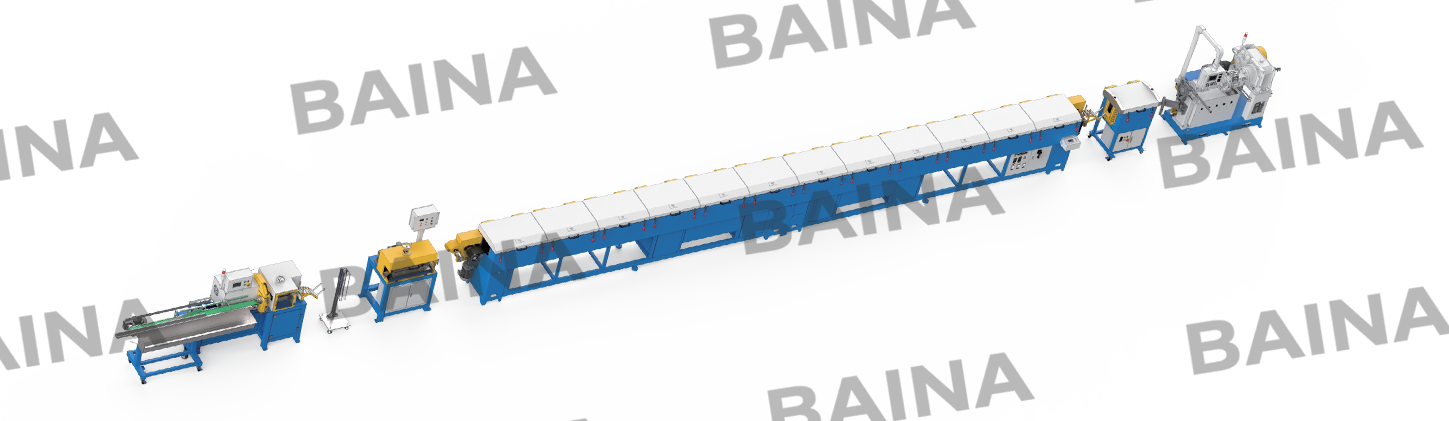
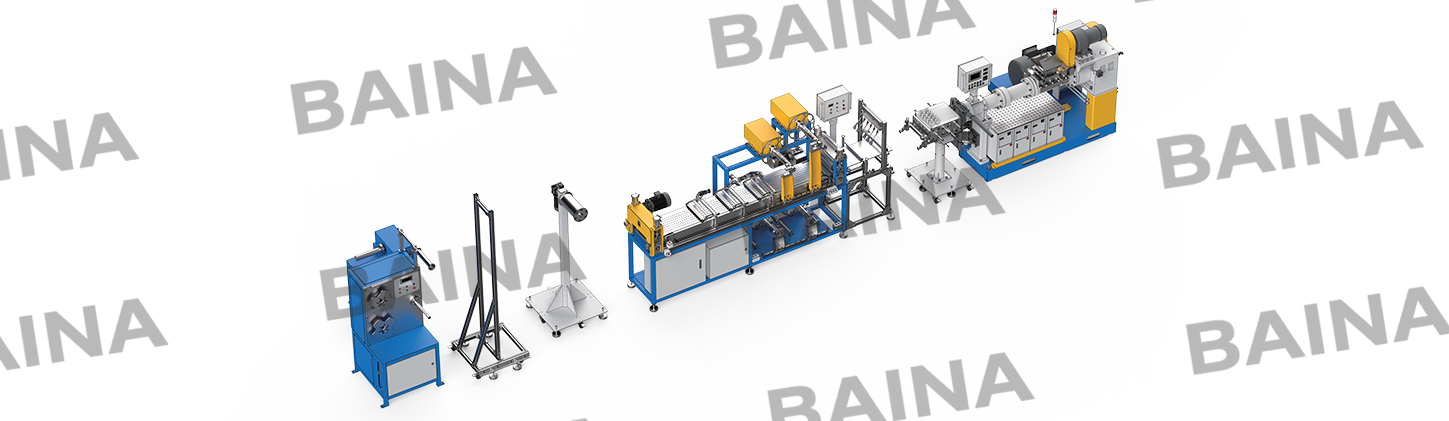
Ф120mm 20D Cold Feed Vacuum Rubber Extruder
Cat:Extruder Series
Motor Power: 110 kWMaximum Output: 700 kg/h
See Details

Silicone profiles come in many forms, including sealing strips, flexible tubes, gaskets, and custom-shaped components. Although the extrusion die determines the initial cross-sectional outline, the screw inside the extruder also influences how consistently the silicone compound reaches the die. Variations in material flow, pressure, shear heating, and feeding stability can affect the dimensions and surface appearance of the finished profile.
For manufacturers producing silicone components with narrow tolerances or complex cross-sections, screw geometry deserves careful attention during equipment planning. A silicone extruder machine must transport the compound steadily while maintaining suitable processing conditions before the material passes through the die. Screw diameter, flight depth, pitch, compression ratio, and length-to-diameter ratio all contribute to this process.
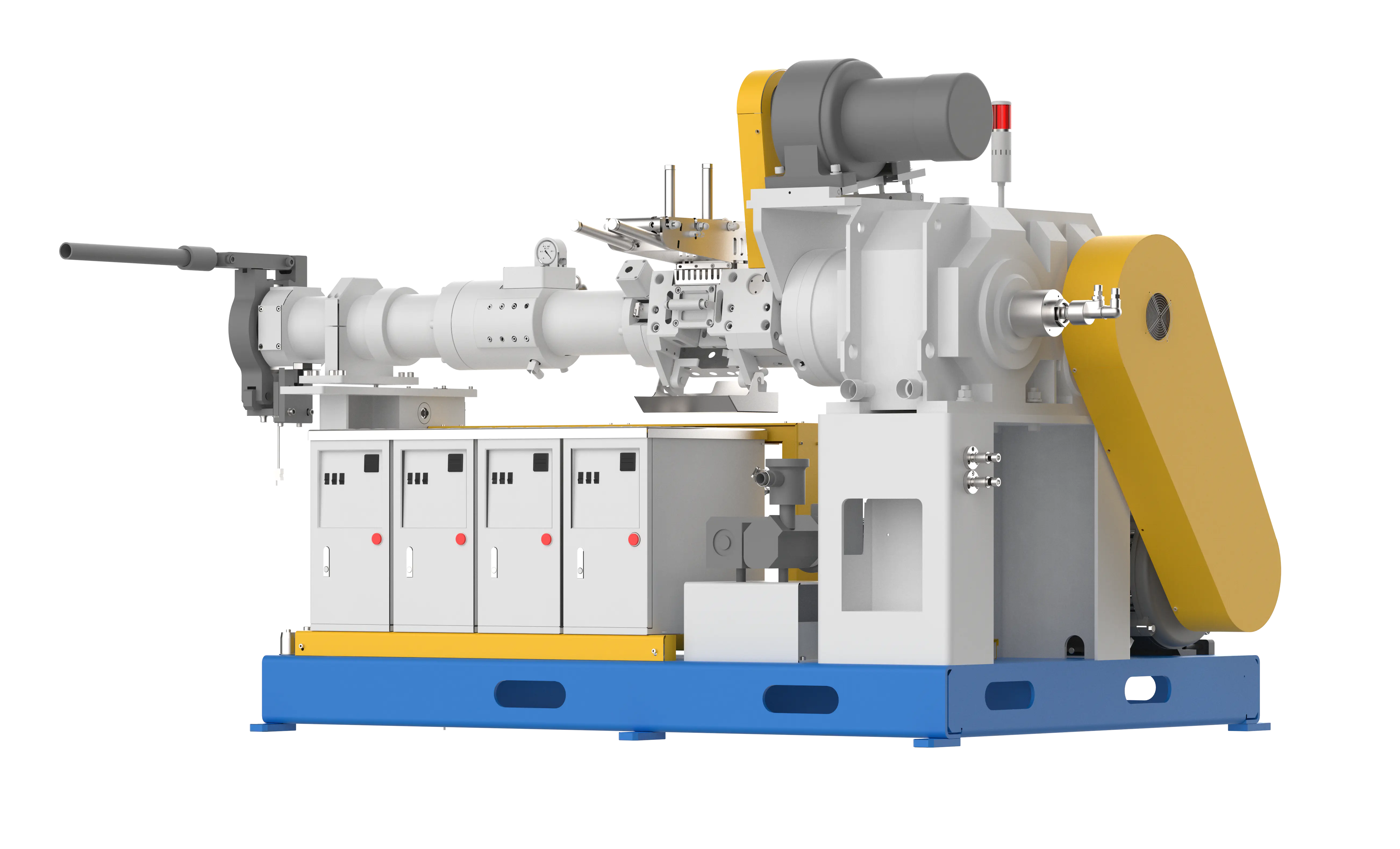
The screw rotates inside the barrel and moves silicone rubber toward the extrusion head. Its geometry determines how material enters the screw channel, experiences mechanical shear, and develops pressure before reaching the die. Changes in these conditions may affect output consistency and the way the compound fills the tooling.
Several screw parameters deserve attention during equipment evaluation:
These parameters work together rather than independently. A screw with a suitable diameter but an unsuitable channel design may still produce unstable flow. The correct configuration depends on the silicone compound, required profile dimensions, target output, and operating conditions.
Screw diameter is often associated with extrusion capacity, but a larger screw does not automatically produce a more consistent profile. Output also depends on rotational speed, feeding conditions, screw geometry, die resistance, and the compound's rheological behavior.
Deeper screw channels provide more space for transporting silicone compound. This arrangement can support feeding and conveying, particularly with suitable cold-feed systems designed for high-consistency silicone rubber. However, channel depth must be coordinated with the screw's compression characteristics and the requirements of the downstream tooling.
Flight geometry can influence the following production characteristics:
For thin-walled tubing or narrow sealing strips, variations in material delivery may appear as changes in wall thickness or profile width. A wider solid profile may respond differently because the die resistance and material distribution across its cross-section are not the same.
The L/D ratio is a useful reference for comparing screw configurations. It represents the effective screw length divided by the screw diameter. For example, a screw with a working length of 1,200 mm and a diameter of 100 mm has an L/D ratio of 12:1.
Silicone extrusion equipment is available with different L/D configurations. Some cold-feed designs use ratios around 10:1 to 12:1, while other machines employ different proportions according to their intended processing conditions. There is no universal ratio that suits every silicone compound and profile.
| Design consideration | Potential process influence | What buyers should verify |
| Shorter effective screw length | Provides a shorter conveying path and changes the available processing time | Whether feeding and output remain stable for the target compound |
| Longer effective screw length | Changes residence time, pressure development, and accumulated shear exposure | Whether the additional length suits the material and production requirements |
| Flight depth distribution | Influences conveying capacity and material compression | Whether the screw profile matches the compound's flow characteristics |
| Cooling arrangement | Helps manage heat generated during material transport and shear | Whether barrel and feed-zone temperatures can be controlled consistently |
An extended screw is not automatically preferable to a shorter design. Excessive residence time or shear heating may affect a heat-sensitive compound, while an unsuitable short configuration may fail to provide the required pressure stability. Buyers should evaluate the complete screw and barrel design instead of relying on the L/D figure alone.
Silicone rubber behaves differently from many conventional thermoplastic materials. High-consistency silicone compounds are processed as rubber compounds rather than simply melted from solid plastic pellets. The screw must convey the material and develop the pressure needed for extrusion without generating excessive heat.
The compression ratio describes the change in screw-channel depth between designated sections. Its actual definition and calculation should be confirmed against the machine manufacturer's technical documentation because screw designs may use different configurations.
Mechanical friction and shear can raise the compound temperature during processing. Excessive heat may shorten the available processing window or trigger premature curing in susceptible silicone formulations. Once the compound begins curing before reaching the intended downstream stage, surface defects, unstable flow, or interruptions in production may occur.
Several design and operating factors can help control this risk:
Increasing screw speed without evaluating these factors may raise output temporarily while also increasing shear heating or pressure variation. Production trials should therefore examine both throughput and the quality of the uncured profile.
The extrusion die establishes the initial profile shape, but the screw influences the consistency of the material flow reaching that die. This distinction is important for products such as hollow silicone tubes, multi-channel seals, U-shaped strips, and profiles with uneven wall thickness.
Screw geometry is only part of the solution. Die opening dimensions, die-land design, mandrel alignment, compound formulation, downstream pulling speed, and curing conditions also influence the final result. A well-configured screw cannot compensate for an incorrectly designed die or inconsistent downstream handling.
Manufacturers should measure the extruded profile at defined points and compare the results with the product drawing. Trial runs can help distinguish screw-related flow variation from tooling or curing problems before production parameters are finalized.
Different silicone products place different demands on the extrusion system. Equipment specifications should reflect the geometry and intended use of the component rather than a general description of extrusion capacity.
| Silicone product | Key process concern | Equipment consideration |
| Thin-walled silicone tubing | Wall thickness and internal diameter consistency | Stable material delivery, suitable mandrel alignment, and controlled pulling speed |
| Solid silicone sealing strips | Profile width, height, and edge definition | Consistent output pressure and compatible die geometry |
| Complex multi-channel seals | Material distribution across several sections | Carefully designed flow passages and accurate tooling alignment |
| Thick silicone profiles | Shape retention and uniform downstream curing | Suitable line support, curing capacity, and controlled product transport |
These considerations provide a starting point for equipment discussions. The actual screw dimensions, speed range, output capacity, and temperature settings should be established according to the silicone formulation and production trial results.
Before purchasing or configuring an extrusion line, technical teams can prepare a short specification checklist. This makes it easier to compare equipment designs against real manufacturing requirements.
Rated output should also be interpreted carefully. A manufacturer's stated capacity may depend on the compound, screw speed, profile cross-section, and operating conditions. A machine that delivers a specified output with a simple solid strip may not achieve the same rate with a hollow or multi-channel profile.
Screw geometry can influence the shape consistency of extruded silicone profiles by affecting material conveying, pressure development, shear heating, and flow stability. However, final dimensions depend on the interaction between the screw, barrel, feeding system, die, curing equipment, and downstream handling.
Manufacturers evaluating a silicone extrusion production line should begin with the intended product geometry and compound characteristics, then confirm whether the screw configuration supports those requirements. Reviewing technical specifications alongside actual extrusion trials provides a more reliable basis for equipment decisions than comparing screw diameter or rated output alone.
Have a silicone tube, sealing strip, or custom profile to produce? Prepare the product drawing, material information, and target output before discussing machine configuration with an equipment supplier. These details help establish a practical starting point for screw design, die development, and production-line planning.
Motor Power: 110 kWMaximum Output: 700 kg/h
See Details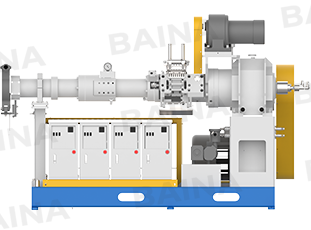
Motor Power: 37 kWMaximum Output: 150 kg/h
See Details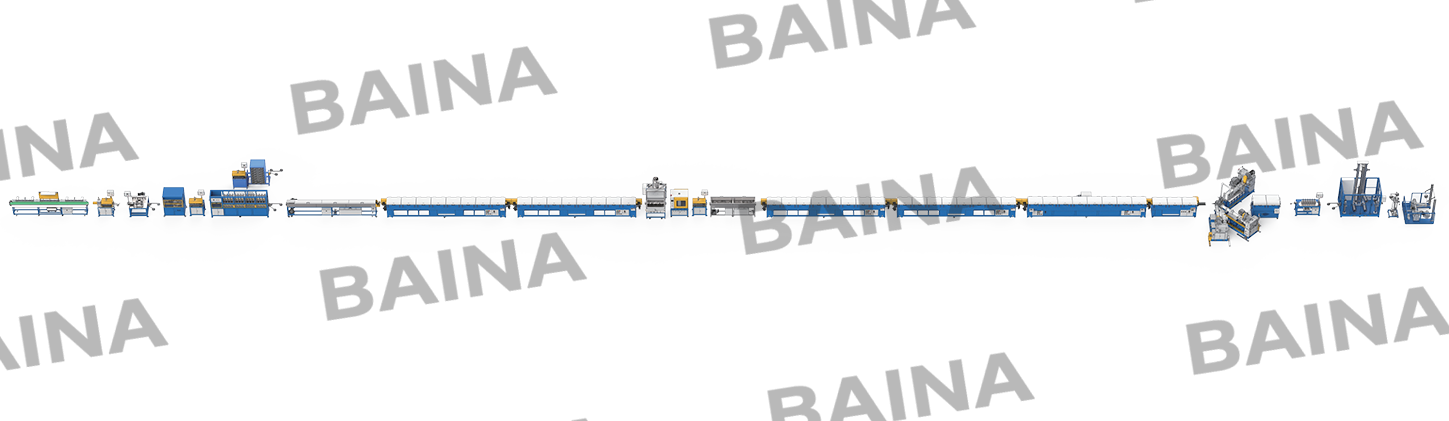
Product AdvantagesThis production line is primarily used for manufacturing rubber products that are ...
See Details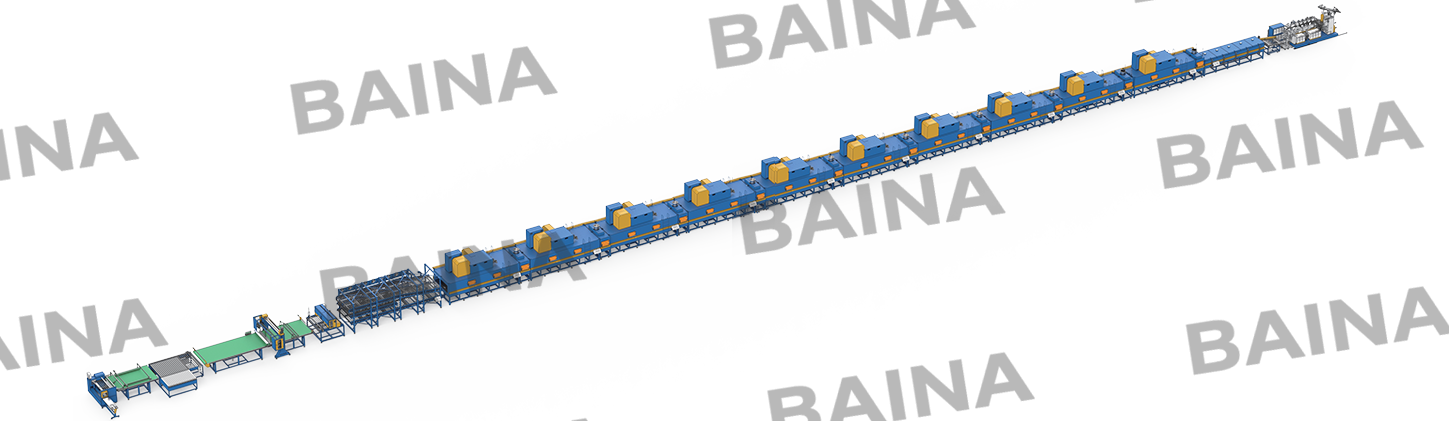
1. Core Control System Advantages: Utilizes Siemens motors, frequency converters, and PLCs paired wi...
See DetailsSilicone profiles come in many forms, including sealing strips, flexible tubes, gaskets, and custom-......
READ MORERubber hose design is often discussed in terms of inner diameter, outer diameter, and wall thickness......
READ MOREA rubber profile can leave an extrusion die with the correct shape and still change during curing. T......
READ MORE

Rubber Extrusion Machine and Equipment