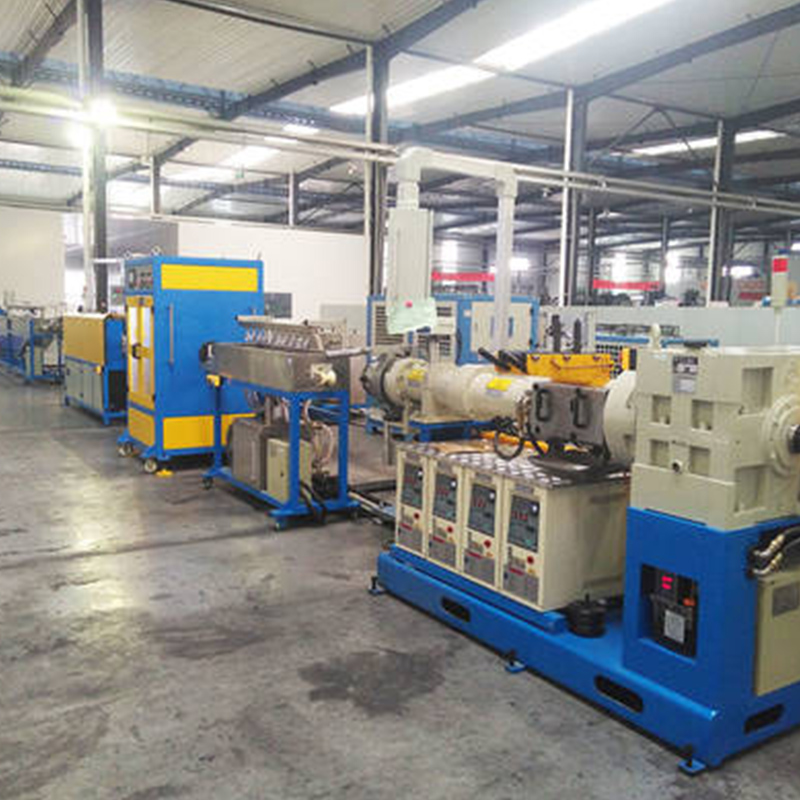
Ф120mm 20D Cold Feed Vacuum Rubber Extruder
Cat:Extruder Series
Motor Power: 110 kWMaximum Output: 700 kg/h
See Details

Two rubber parts made from the same compound may show different hardness readings, even though they have passed through the same curing cycle. Uneven heat distribution across the mold is one possible explanation. During vulcanization, temperature influences the crosslinking reaction that develops the rubber's final mechanical properties. A difference between the center and edge of a heated platen may therefore affect hardness, elasticity, dimensional stability, and overall product consistency.
A rubber vulcanizing machine needs to maintain suitable heating conditions throughout the working area, not merely display the target temperature on its control panel. Understanding the relationship between platen temperature and rubber hardness helps manufacturers evaluate equipment performance and investigate variations between production batches.
Vulcanization creates crosslinks between rubber polymer chains. The resulting network influences properties such as hardness, tensile strength, resilience, and resistance to deformation. Temperature affects the rate of this chemical reaction, while curing time and compound formulation determine how the process develops.
Uneven platen temperatures can produce different curing conditions within the same mold:
The relationship is not identical for every rubber compound. Hardness does not increase or decrease in a simple, universal pattern as temperature changes. The compound's chemistry, cure system, exposure time, and possible thermal degradation must also be considered.
The controller reading usually represents the temperature measured by a sensor at a specific location. It does not automatically confirm that every point on the platen or inside the mold cavity has reached the same temperature.
Several factors can create temperature differences:
Independent temperature mapping can reveal these differences. Measurements should be taken at several positions after the machine reaches thermal stability, with the mold and operating conditions considered as part of the evaluation.
Rubber curing temperatures depend on the compound formulation and product design. Many conventional rubber compounds are processed within approximately 140°C to 180°C, although some materials require conditions outside this range. The compound supplier's curing recommendations should determine the actual operating settings.
| Parameter | Technical consideration | Purpose |
| Platen set temperature | Based on the specified rubber compound and cure schedule | Establishes the intended heating condition |
| Temperature uniformity | Evaluate variation across the usable platen surface | Identifies potential hot and cold zones |
| Curing time | Depends on compound kinetics, part thickness, and heat transfer | Allows the rubber to reach the required cure state |
| Hardness measurement | Use the specified durometer method and consistent test conditions | Checks whether the finished product meets its requirements |
Some industrial presses specify platen uniformity around ±2°C to ±3°C, but this is a reference range rather than a universal acceptance criterion. The appropriate tolerance depends on the product's quality requirements and the machine specification.
Manufacturers can combine equipment measurements with finished-part testing to determine whether platen temperature variation contributes to hardness differences.
Testing should follow the applicable product specification or hardness-testing standard. A single reading may not represent an entire part, especially for thick components or products with different cross-sectional dimensions.
Equipment specifications should explain how temperature is measured and controlled across the working surface. Buyers producing seals, gaskets, rubber sheets, or other molded components can ask suppliers to clarify several technical points before placing an order.
Requesting temperature distribution data under representative operating conditions provides a clearer picture than relying on the controller's setpoint alone. Product trials can further establish whether the machine meets the hardness and dimensional requirements of the intended application.
Platen temperature uniformity can influence rubber part hardness because heat distribution affects the rate and consistency of vulcanization. However, hardness variation may also come from compound differences, curing time, pressure distribution, mold design, or testing procedures.
Evaluating the complete curing process helps manufacturers identify the actual source of quality variation. By combining platen temperature mapping, calibrated hardness testing, and appropriate process records, production teams can assess whether their vulcanizing equipment provides the thermal consistency required by their rubber products.
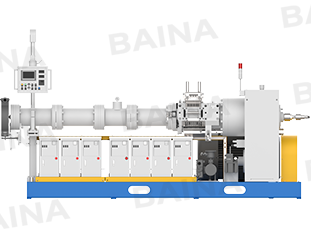
Motor Power: 110 kWMaximum Output: 700 kg/h
See Details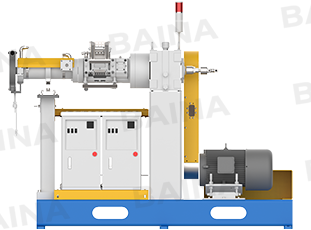
Motor Power: 7.5 kWMaximum Output: 50 kg/h
See Details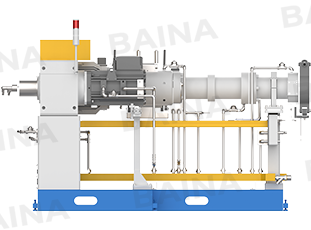
Motor Power: 45 kWMaximum Output: 280 kg/h
See Details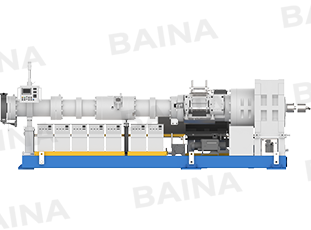
Motor Power: 315 kWMaximum Output: 2,000-2,400 kg/h
See DetailsTwo rubber parts made from the same compound may show different hardness readings, even though they ......
READ MORESilicone profiles come in many forms, including sealing strips, flexible tubes, gaskets, and custom-......
READ MORERubber hose design is often discussed in terms of inner diameter, outer diameter, and wall thickness......
READ MORE

Rubber Extrusion Machine and Equipment