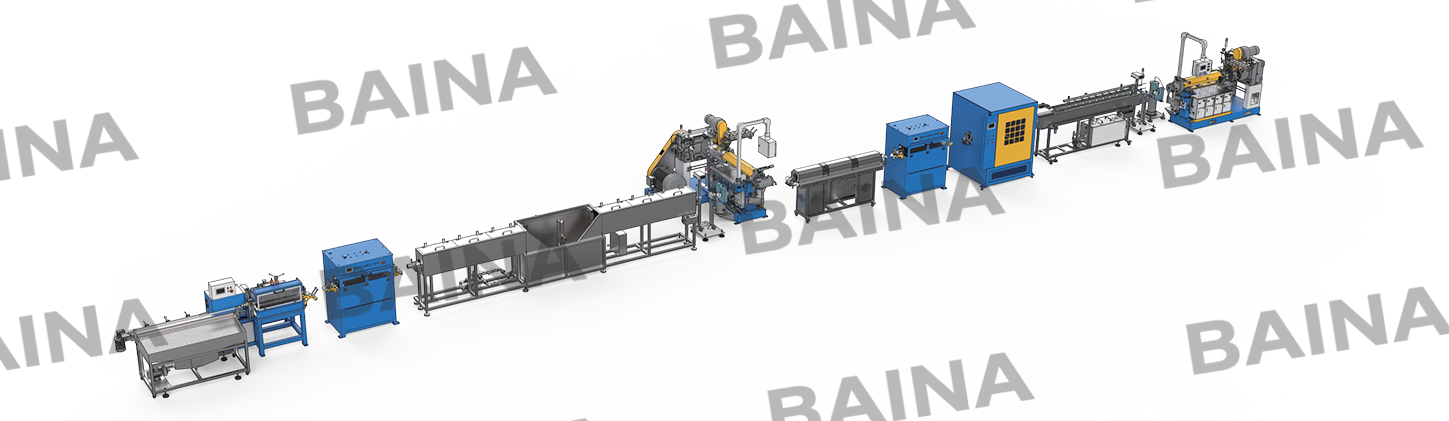
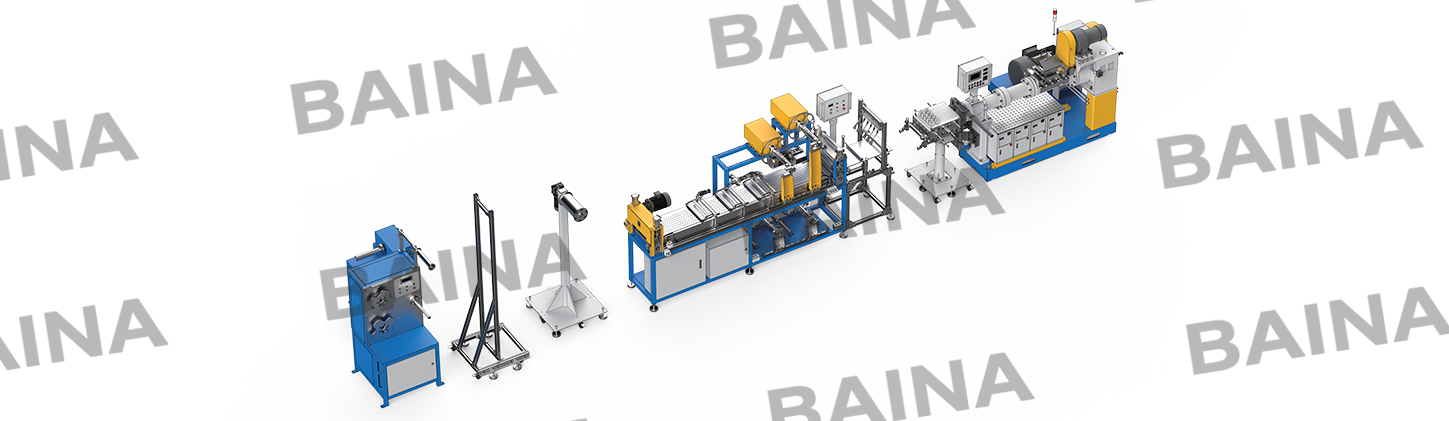
A silicone sealing strip may leave an extrusion die with the correct general shape, yet its final dimensions can change after vulcanization and cooling. This happens because profile accuracy depends on several connected production stages rather than the die alone. Material flow establishes the initial geometry, curing stabilizes the rubber structure, and cooling influences the dimensions measured before packaging or assembly.
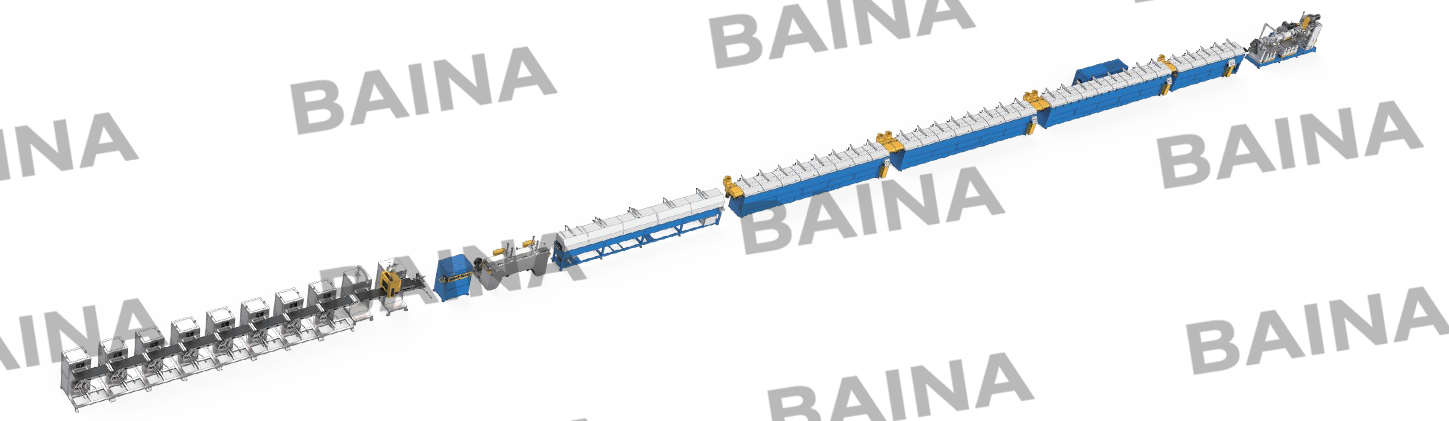
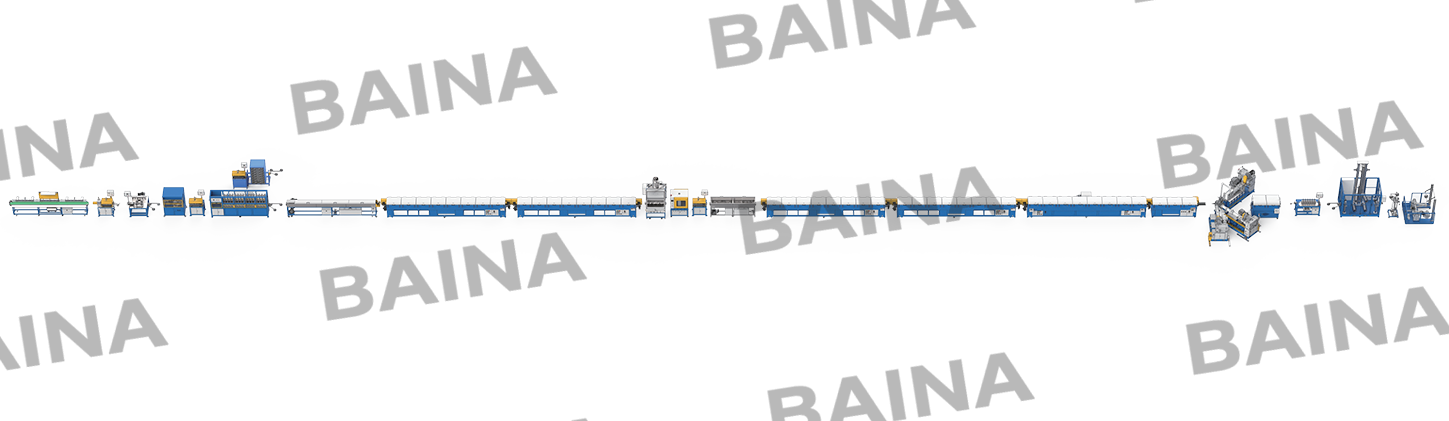
The silicone extrusion process combines these stages into a coordinated production sequence. Understanding how extrusion and curing interact helps manufacturers identify dimensional deviations and develop suitable specifications for silicone tubes, gaskets, and custom profiles.
1. Extrusion Establishes the Initial Profile Geometry
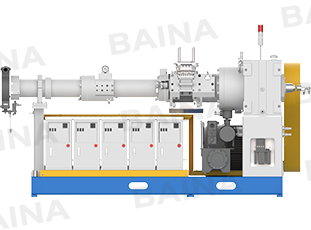
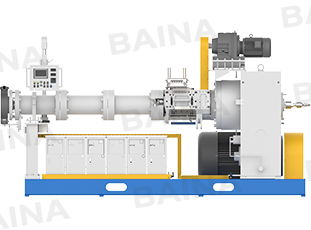
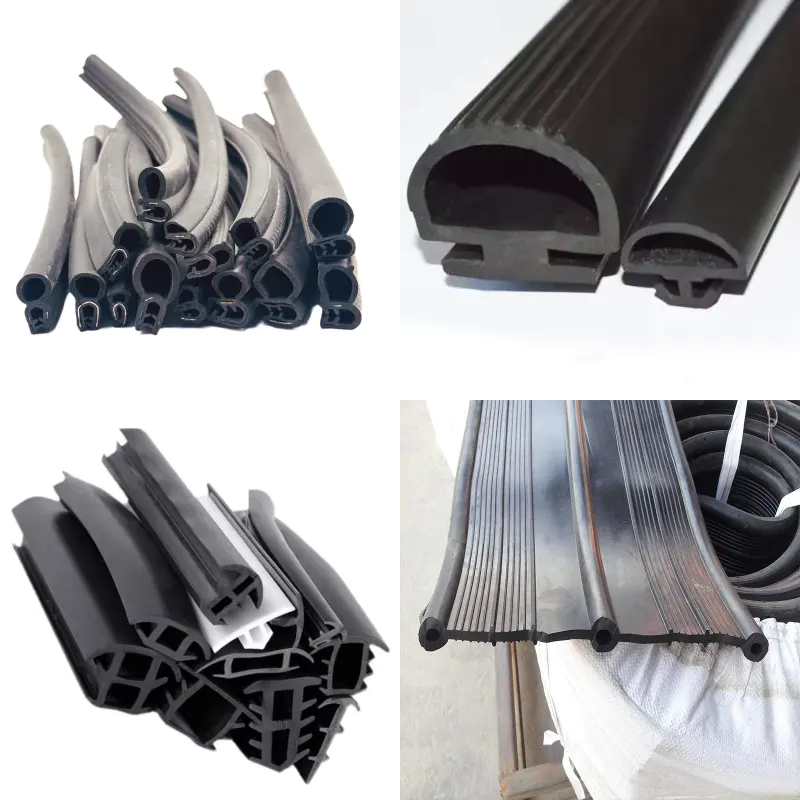
During extrusion, uncured silicone rubber passes through a shaped die to form a continuous cross-section. The die opening influences the profile's width, height, wall thickness, and internal geometry. However, the dimensions of the die do not necessarily match those of the finished product.
Several factors affect the initial profile shape:
- Die geometry: Uneven flow passages or abrupt changes in cross-section may create dimensional variation across the profile.
- Material behavior: Silicone compound viscosity and elasticity influence how the material flows through the tooling.
- Die swell: The uncured profile may expand after leaving the die as stored deformation in the material relaxes.
- Extrusion speed: Changes in output and material flow can influence the dimensions of the emerging profile.
Tooling development therefore requires consideration of the compound and its behavior after exiting the die. Trial samples help engineers determine whether the die geometry needs adjustment before production specifications are finalized.
2. Curing Determines Whether the Profile Retains Its Shape
Extruded silicone remains uncured immediately after leaving the die. The profile then enters a suitable vulcanization system, such as a hot-air curing tunnel, where heat initiates or advances the crosslinking reaction. This process gives the material its required elastic properties and helps stabilize the cross-section.
Several curing variables influence dimensional consistency:
- Curing temperature: Must match the compound's processing requirements.
- Line speed: Determines how long the profile remains inside the curing zone.
- Profile thickness: Thick sections may require different heat-transfer conditions from thin walls.
- Compound formulation: Different silicone grades can have different curing characteristics and dimensional responses.
Insufficient curing may leave the profile unable to retain its intended geometry during handling. Excessive thermal exposure may also affect certain compounds or product properties. The appropriate operating window should be established through material data and production trials rather than relying on temperature alone.
3. Extrusion and Curing: A Comparison of Dimensional Influences
| Process stage |
Primary influence |
Potential dimensional issue |
Control measure |
| Die forming |
Tooling geometry and material flow |
Uneven width or wall thickness |
Review die design and flow distribution |
| Die exit |
Elastic recovery and die swell |
Expansion or cross-section distortion |
Validate tooling through trial extrusion |
| Vulcanization |
Heat exposure and curing kinetics |
Shape instability or uneven dimensional change |
Coordinate temperature and line speed |
| Cooling |
Temperature reduction and material relaxation |
Changes between hot and final dimensions |
Standardize cooling and measurement conditions |
| Final inspection |
Measurement method and handling |
Inconsistent dimensional readings |
Use defined inspection procedures |
The comparison shows that extrusion and curing are complementary stages. Accurate tooling cannot compensate for an unsuitable curing cycle, while stable curing cannot fully correct a poorly formed profile.
4. Why Can Dimensions Change After Curing?
Dimensional changes may continue after the profile exits the curing zone. Thermal contraction occurs as the hot rubber cools, while the material's elastic behavior can influence how it relaxes after extrusion and curing. Certain compounds also exhibit measurable shrinkage associated with vulcanization and subsequent processing.
Three practical considerations deserve attention:
Cooling Before Measurement
Measuring a warm profile and comparing it with a cooled sample can produce misleading results. Establish a consistent conditioning temperature and measurement procedure before judging whether the product meets its drawing requirements.
Pulling Tension
Excessive downstream tension may stretch a soft profile, changing its measured width or length. The pulling system should coordinate with extrusion output to transport the product without unwanted deformation.
Cross-Section Design
Thin lips, hollow cavities, and abrupt wall-thickness transitions may be more susceptible to distortion than uniform solid profiles. Design reviews should consider how the uncured section will behave before it becomes dimensionally stable.
5. How Can Manufacturers Verify Profile Accuracy?
A repeatable inspection plan helps identify whether dimensional changes originate during extrusion, curing, or cooling.
- Define critical dimensions and tolerances on the product drawing.
- Measure samples at consistent locations along the production length.
- Record relevant extrusion settings, curing conditions, and line speed.
- Compare measurements before and after curing to identify dimensional changes.
- Inspect hollow sections, sealing lips, and other sensitive geometries for deformation.
- Use applicable dimensional tolerance standards, such as ISO 3302-1, where appropriate for the product.
Acceptance limits should reflect the product's function, material properties, and applicable specification. A sealing surface that determines assembly fit may need closer dimensional control than a flexible feature designed to compress during use.
Accuracy Depends on the Entire Production Line
Silicone profile accuracy begins with die design and material flow, but it develops through curing, cooling, and final inspection. Die swell, curing conditions, pulling tension, and post-process dimensional changes can all influence whether the finished profile meets its drawing requirements.
Manufacturers planning a silicone extrusion line should evaluate these stages as a connected system. Clear product drawings, suitable tooling, compound-specific curing parameters, and consistent measurement methods provide a practical foundation for producing silicone profiles with repeatable dimensions.