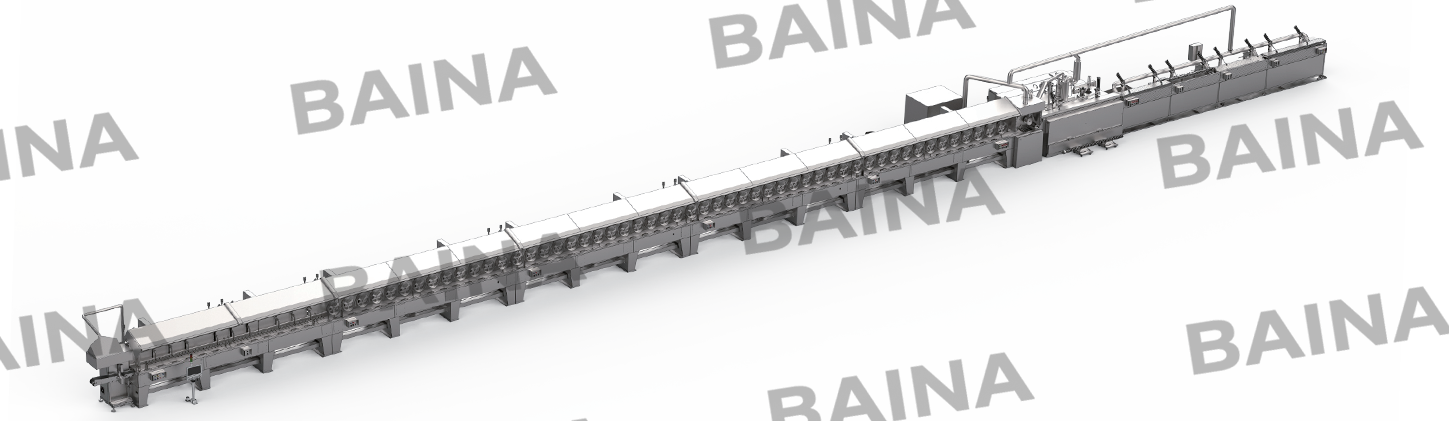
Ф120mm 16D Cold Feed Rubber Extruder
Cat:Extruder Series
Motor Power: 110 kWMaximum Output:700 kg/h
See Details
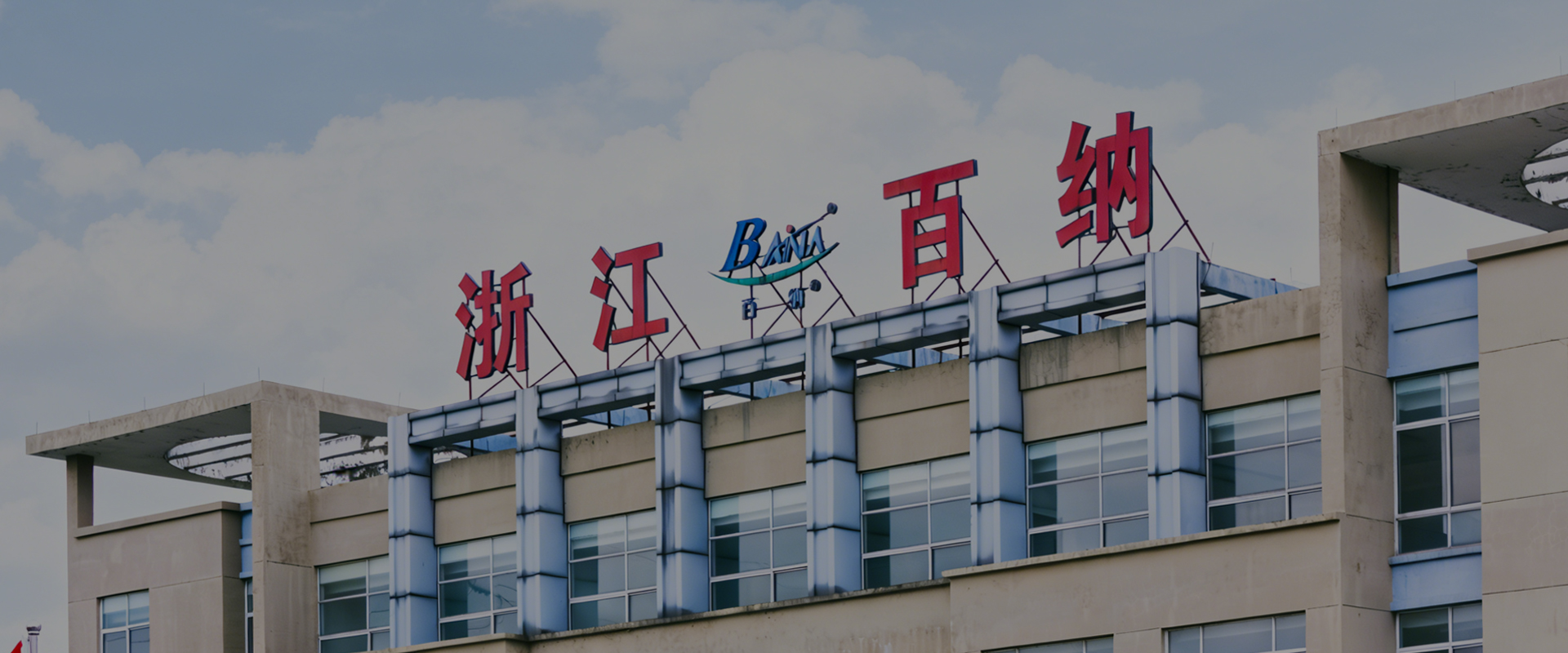
Even with regular maintenance, rubber extrusion production lines can experience faults that impact their performance. Some of these issues are related to mechanical wear, while others result from poor process control. Below are some common faults that operators may encounter:
1. Inconsistent Product Quality
One of the common faults in rubber extrusion is inconsistent product quality. This could manifest as uneven thickness, surface imperfections, or poor dimensional accuracy. Such issues can be caused by several factors, including improper calibration of the extruders die, inconsistent material feeding, or temperature variations along the extrusion process. Additionally, variations in the rubber compound composition, such as improper mixing or the use of low-quality raw materials, can contribute to subpar product quality.
2. Screw and Barrel Wear
The screw and barrel assembly of an extruder is subject to significant stress and wear due to constant friction, pressure, and high temperatures. Over time, this wear can lead to decreased performance, such as reduced throughput or inconsistent extrusion. Worn-out screws and barrels may also contribute to poor mixing of the rubber compound, leading to defects in the final product. These parts need regular inspection and timely replacement to avoid compromising the extrusion process.
3. Overheating of the Extruder
Overheating is a common issue, especially in rubber extrusion production lines that run at high speeds or for extended periods. The heating elements within the extruder barrel are responsible for maintaining a consistent temperature to ensure proper processing of the rubber. If these elements malfunction or if there is a failure in temperature control systems, overheating can occur. This can lead to degradation of the rubber material, blocking the die, or damaging the extruders components.
Maintaining a rubber extrusion production line requires a combination of regular inspection, proper operation, and preventive care. The goal is to identify potential issues before they escalate into costly faults. Below are some key maintenance practices for rubber extrusion production lines:
1. Regular Cleaning and Inspection
Cleaning and inspecting the machine at regular intervals is vital for ensuring performance. Residual rubber material should be cleaned from the screw, barrel, and die after each production run to prevent blockages and degradation of material quality. Regular inspections should include checking for wear on the screw and barrel, as well as monitoring the temperature sensors and heating elements. Identifying and addressing minor issues early can prevent more significant problems in the future.
2. Proper Lubrication
The moving parts of the rubber extrusion line, such as the screw and bearings, require proper lubrication to minimize wear and tear. Insufficient lubrication can lead to increased friction, overheating, and premature failure of components. A lubrication schedule should be established based on the manufacturers recommendations, and it is important to use the correct type of lubricant for each component.
3. Calibration and Adjustment
Ensuring that the extrusion line is correctly calibrated is essential for maintaining product quality and consistency. This includes adjusting the speed of the screw, the temperature of the barrel, and the pressure applied during extrusion. Calibration should be performed regularly, particularly when changing rubber compounds, die sizes, or production settings. Fine-tuning these parameters helps maintain the desired material properties and ensures smooth production runs.
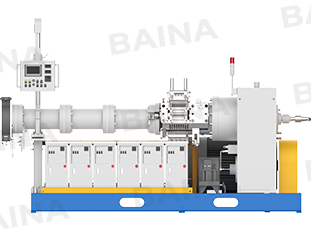
Motor Power: 110 kWMaximum Output:700 kg/h
See Details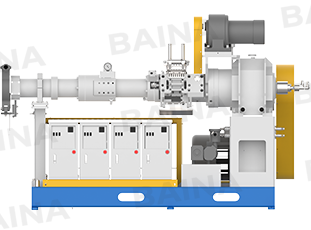
Motor Power: 37 kWMaximum Output: 150 kg/h
See Details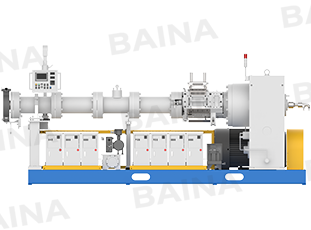
Motor Power: 160 kWMaximum Output: 1000 kg/h
See Details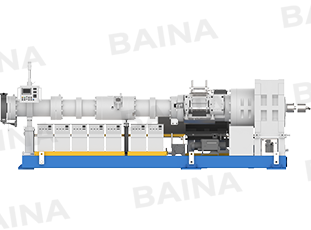
Motor Power: 315 kWMaximum Output: 2,000-2,400 kg/h
See DetailsTwo rubber parts made from the same compound may show different hardness readings, even though they ......
READ MORESilicone profiles come in many forms, including sealing strips, flexible tubes, gaskets, and custom-......
READ MORERubber hose design is often discussed in terms of inner diameter, outer diameter, and wall thickness......
READ MORE

Rubber Extrusion Machine and Equipment