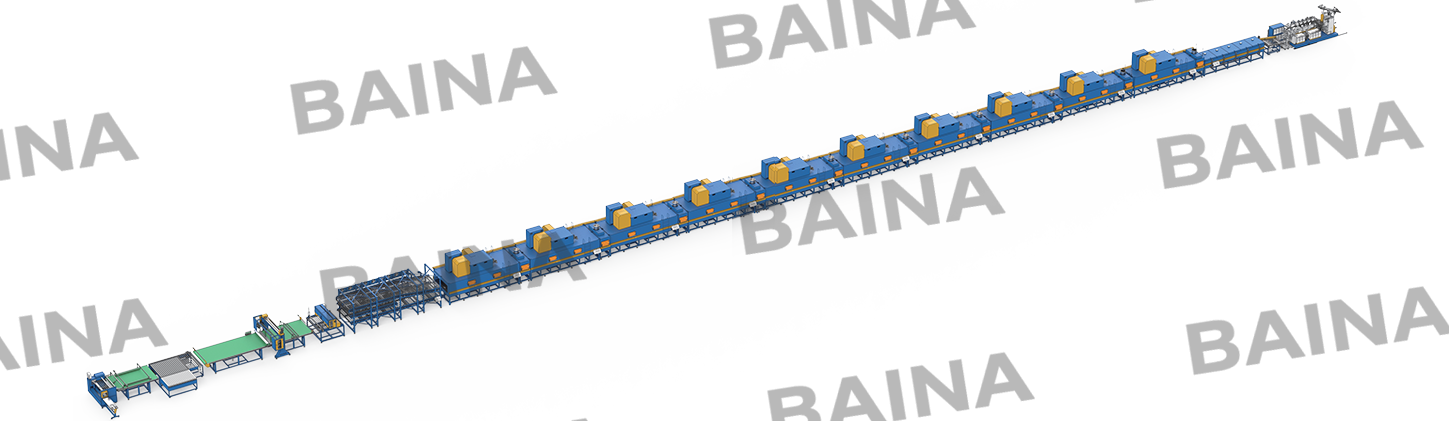
Traditional sealing profiles usually rely on one material to complete multiple functions. However, modern applications increasingly require a combination of properties that are difficult to achieve with a single compound.
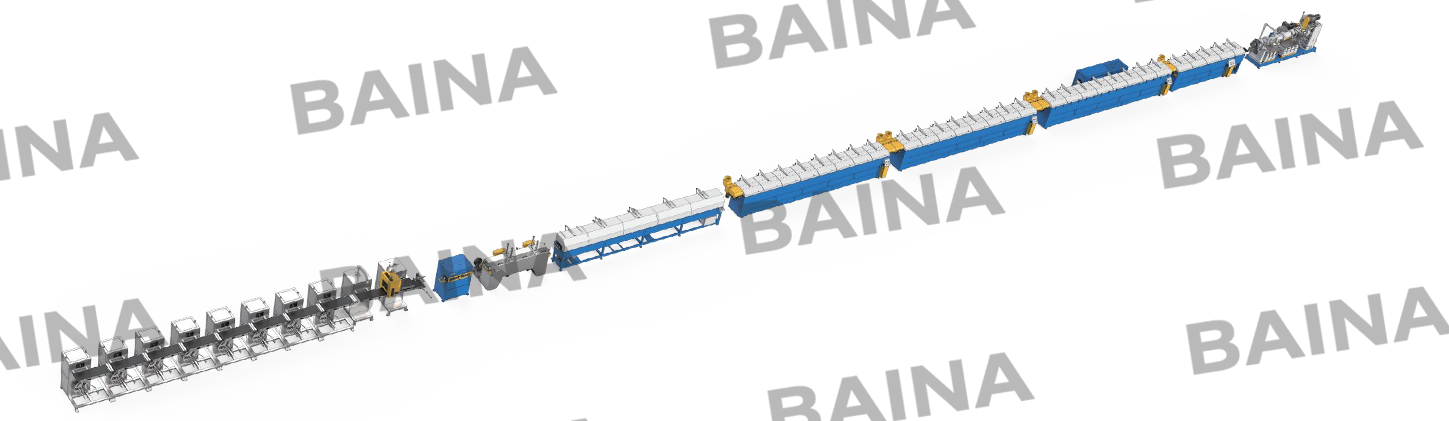
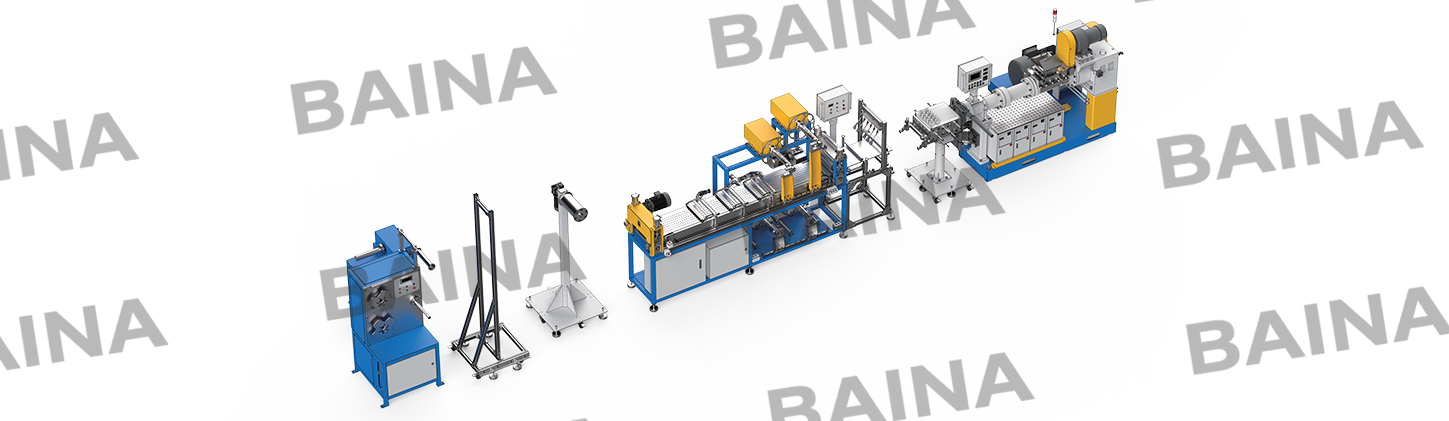
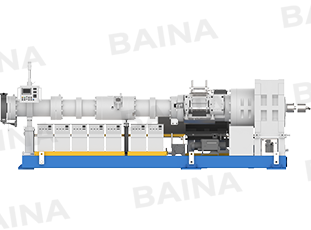
A sealing product may need a rigid section for installation support, a soft area for compression, a weather-resistant surface layer, and a flexible contact zone at the same time. This demand has encouraged the development of multi-material extrusion technology. The Double-Layer Co-Extrusion Line provides a manufacturing method that combines two materials into one continuous profile. Instead of assembling separate components afterward, different materials are processed together through a shared extrusion system to create an integrated structure.
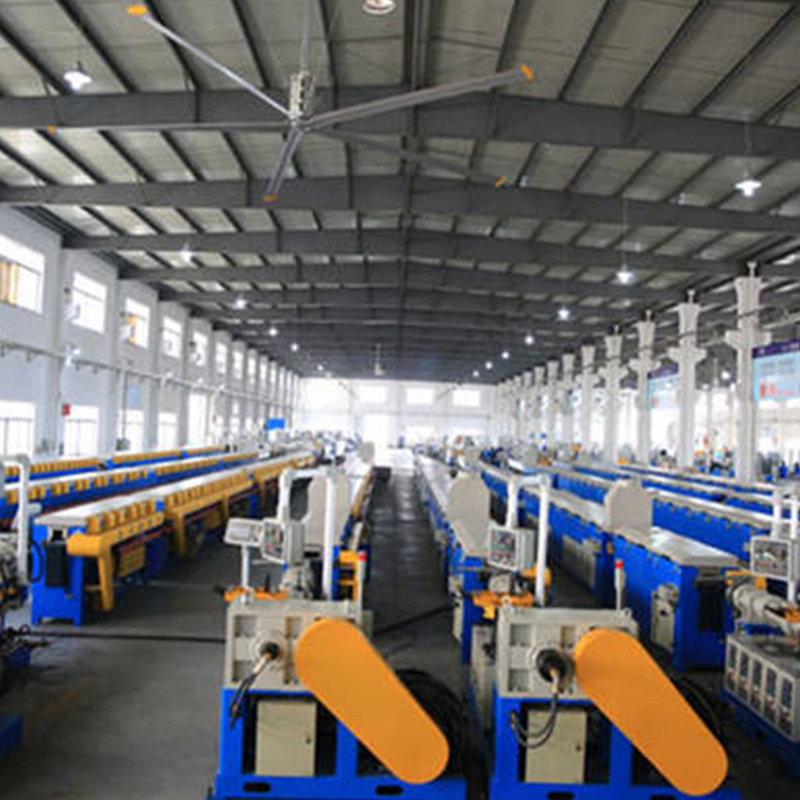
How Double-Layer Co-Extrusion Changes Profile Structure
A conventional extrusion process creates a profile from one material. The entire product shares similar characteristics, including hardness, flexibility, and chemical resistance.
Double-layer co-extrusion introduces another possibility:
- One layer provides structural support
- Another layer delivers sealing performance
- Each material can maintain its own functional advantages
- The final profile becomes a combined solution rather than a single-material product
For example, a door sealing strip may use a harder rubber base for stable mounting and a softer sponge rubber section for compression and gap filling. This type of dual-material structure is widely used in sealing applications because it combines attachment strength with elastic recovery.
Which Applications Benefit from Co-Extruded Profiles?
1. Aluminum Window and Door Sealing
Modern aluminum systems require seals that can maintain performance under changing temperatures, repeated opening cycles, and outdoor exposure. A double-layer profile can provide:
| Layer Structure |
Function |
| Hard rubber or plastic section |
Secure positioning inside aluminum grooves |
| Soft rubber sealing area |
Compression and air/water protection |
This design reduces the need for separate installation steps while improving the connection between the seal and the frame.
2. Automotive Sealing Systems
Vehicle doors, windows, and body panels require seals that balance flexibility and durability. A single rubber material may struggle to provide both:
- Strong attachment capability
- Low compression force
- Noise reduction performance
- Long-term shape recovery
Co-extruded profiles allow engineers to assign different tasks to different material sections. Many automotive trim seals use harder sections for fixing and softer sections for sealing contact.
3. Industrial Equipment Protection
Industrial machines often require sealing profiles that resist vibration, dust, chemicals, and repeated movement. A layered profile can combine:
- Wear-resistant outer surfaces
- Flexible sealing edges
- Rigid mounting structures
This approach allows manufacturers to develop more specialized sealing solutions without increasing the number of individual components.
Material Compatibility Determines Co-Extrusion Quality
Combining two materials is not simply a matter of placing them together. The interface between layers determines the reliability of the finished profile. Important factors include:
| Factor |
Influence on Product Performance |
| Material compatibility |
Determines bonding strength between layers |
| Temperature control |
Affects material flow and interface stability |
| Extrusion speed |
Influences layer thickness consistency |
| Die design |
Controls final profile geometry |
A well-designed co-extrusion process allows different materials to form a stable connection during extrusion and curing. The extrusion die, material flow balance, and processing parameters all influence the final quality.
Does Double-Layer Co-Extrusion Replace Traditional Profiles?
The answer depends on the application. Single-material extrusion still works well for many standard products. However, complex sealing requirements are creating more demand for layered designs. Double-layer co-extrusion offers several design possibilities:
Reduced Assembly Steps
A combined profile can replace multiple separate parts. This reduces installation complexity and helps maintain consistent positioning.
Customized Performance Areas
Different sections of one profile can perform different functions. For example:
- Outer layer: UV and weather resistance
- Middle layer: structural support
- Contact area: flexible sealing performance
More Flexible Product Design
Engineers are no longer limited by the characteristics of one compound. Material combinations create more options for developing profiles with specific mechanical properties.
Key Features Required from a Double-Layer Co-Extrusion Line
Producing reliable co-extruded profiles requires precise equipment coordination. A suitable production system generally includes:
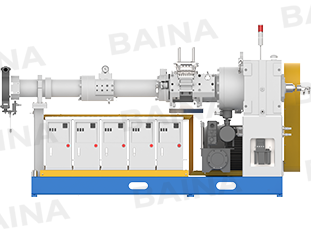
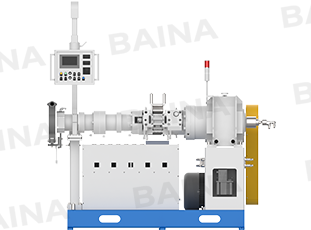
- Independent extrusion units for different materials
- Accurate temperature management to maintain stable material flow
- Specialized extrusion dies for controlled layer distribution
- Synchronized pulling systems to maintain profile dimensions
- Quality monitoring systems for surface and dimensional inspection
The equipment configuration directly influences whether the two materials maintain consistent thickness and stable bonding throughout continuous production.
Challenges Manufacturers Need to Consider
Although co-extrusion provides more design options, it also introduces technical challenges.
Different Material Flow Behavior
Two materials may have different viscosity levels, requiring accurate adjustment of extrusion speed and pressure.
Layer Thickness Control
Uneven layer distribution can affect appearance, mechanical performance, and sealing reliability.
Interface Stability
Poor compatibility between materials may weaken the connection area and affect long-term durability. Successful co-extrusion depends on balancing material selection, equipment settings, and profile design.
Future Direction of Seal Profile Development
As products become more specialized, sealing designs are moving toward functional integration. Future profiles may combine:
| Technology Trend |
Possible Benefit |
| Multi-material structures |
More functions within one component |
| Custom hardness zones |
Better control of compression behavior |
| Advanced polymers |
Improved resistance under demanding conditions |
| Digital process monitoring |
More consistent production quality |
Co-extruded profiles are changing the way engineers approach sealing design. Instead of searching for a single material that performs every function, manufacturers can combine different materials into one engineered structure.
The Double-Layer Co-Extrusion Line makes this approach possible by integrating multiple material properties into a continuous profile. From aluminum windows and automotive components to industrial sealing systems, this technology provides new possibilities for creating products that balance flexibility, strength, and long-term reliability.
The future of seal design is moving toward smarter structures where each layer has a specific purpose, creating solutions that traditional single-material profiles cannot easily achieve.