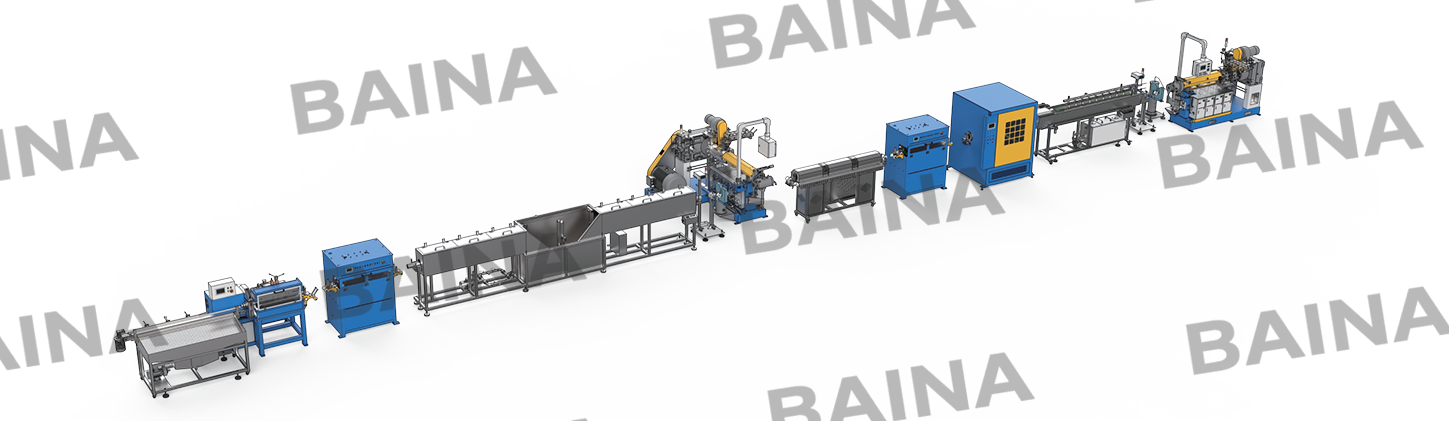
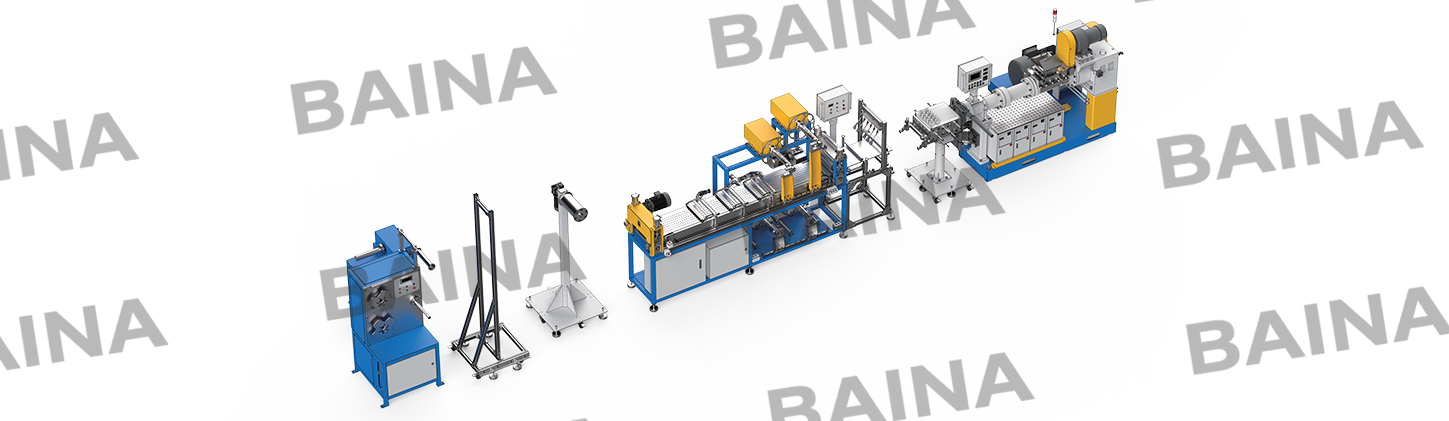
Ф120mm 20D Cold Feed Vacuum Rubber Extruder
Cat:Extruder Series
Motor Power: 110 kWMaximum Output: 700 kg/h
See Details

Rubber vulcanization is an essential industrial process that strengthens raw rubber and makes it suitable for practical use. Without vulcanization, rubber would remain too soft, sticky, and unstable, especially under heat and mechanical stress. To achieve the necessary durability, elasticity, and resilience, manufacturers rely on rubber vulcanizing machines. These machines apply controlled heat and pressure to trigger cross-linking between rubber molecules, transforming the material into a stable and useful form.
1. Plate Vulcanizing Machines
Plate vulcanizing machines, also called flat vulcanizing presses, are widely used in many rubber manufacturing facilities. Their design includes two or more heated plates that apply pressure to rubber products placed between them. The machine heats the plates using steam, electricity, or oil, providing stable temperature control throughout the vulcanization cycle.
One reason for their popularity is their versatility. Plate vulcanizing machines are suitable for producing rubber sheets, seals, gaskets, soles, conveyor belts, and many molded components. Their structure makes them useful for both small-batch and medium-scale production, where product dimensions and shapes can vary. Manufacturers often select plate machines for their ability to handle different molds and product thicknesses without major structural changes.
The operation is relatively straightforward: the rubber compound is placed into a mold, positioned between the plates, and subjected to predetermined pressure and heat. The machine maintains the temperature for a set period, ensuring the rubber cures evenly. The precision control of pressure and temperature helps achieve consistent quality. Additionally, modern plate vulcanizing machines may include automatic demolding systems, touch-screen temperature control, and energy-efficient heating systems that reduce labor intensity and production time.
2. Drum-Type Vulcanizing Machines
Drum-type vulcanizing machines are primarily used for products requiring continuous or semi-continuous curing in sheet form. Their design features a large rotating drum that is heated internally. Rubber products are pressed against the drum with pressure rollers while heat from the drum aids the vulcanization process.
This type of machine is commonly used to produce rubber sheets, tire inner liners, rubberized fabrics, and similar materials that need a smooth and uniform finish. The constant rotation of the drum ensures steady heating, which helps create consistent thickness and surface quality across the entire length of the material.
One advantage of drum-type machines is the efficiency they bring to long-run production. Manufacturers that need extended lengths of material often choose this method because it reduces manual handling. It also minimizes variations that might occur when making large sheets in separate batches. The continuous movement of the drum allows the production line to run smoothly, making it suitable for medium- to high-volume operations.
3. Continuous Vulcanizing Machines
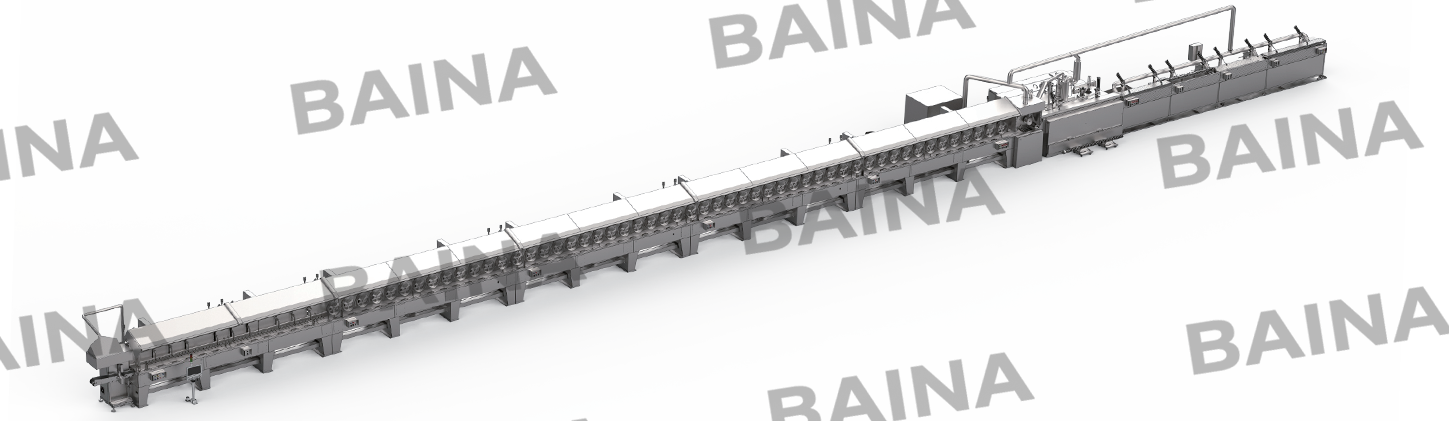
Continuous vulcanizing machines, sometimes called continuous curing lines, are designed for high-volume production of long rubber products, usually with uniform shape and cross-section. These machines commonly process rubber hoses, wires and cables with rubber insulation, rubber strips, and profiles.
Compared to plate or drum-type machines, continuous vulcanizing systems operate without interruption. Rubber extrudates move through a heated chamber—often using hot air, steam, or salt baths—while heat triggers the vulcanization reaction. Because the material moves continuously, the process improves productivity and maintains stable curing conditions.
Continuous vulcanizing machines are valued for their ability to integrate with extrusion lines. This integration allows manufacturers to produce rubber components from raw compound to finished cured products in a single sequence. The stable and controlled environment helps reduce defects such as uneven curing or surface imperfections.
There are several variations of continuous vulcanizing systems, including hot-air vulcanizing tunnels, fluid-bed curing systems, and salt-bath vulcanizers. Each uses a different heating method but operates on the same principle of steady, uninterrupted curing. Their design makes them suitable for manufacturers needing long lengths of consistent, uniform products.
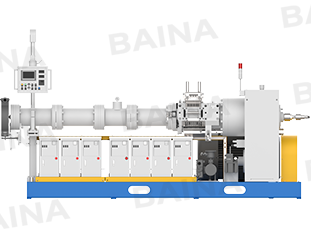
Motor Power: 110 kWMaximum Output: 700 kg/h
See Details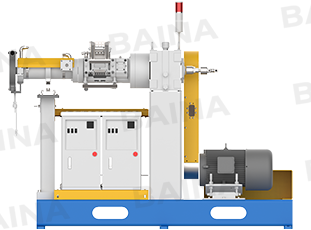
Motor Power: 7.5 kWMaximum Output: 50 kg/h
See Details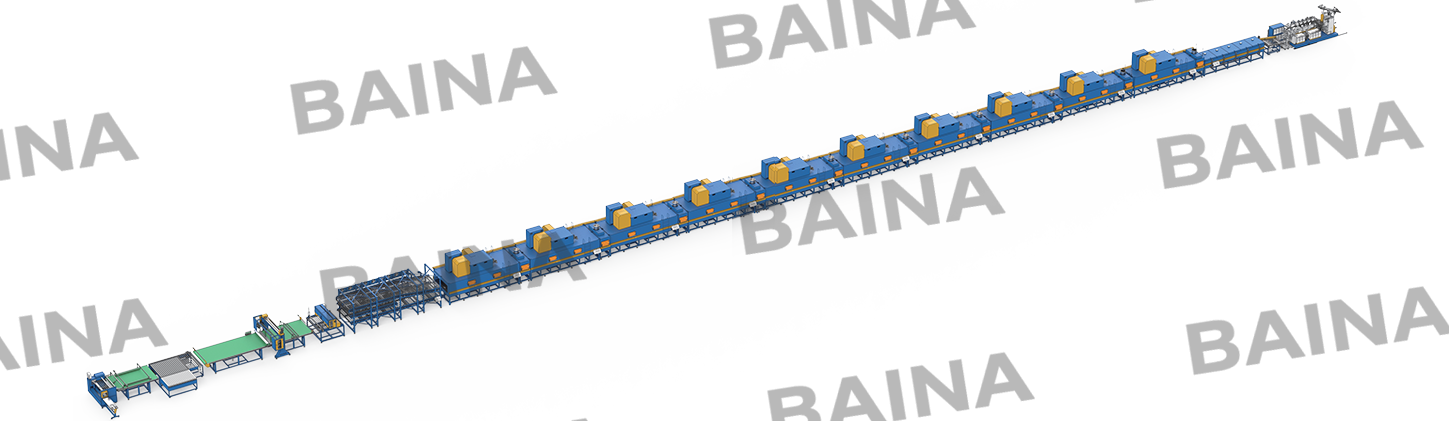
1. Core Control System Advantages: Utilizes Siemens motors, frequency converters, and PLCs paired wi...
See DetailsTwo rubber parts made from the same compound may show different hardness readings, even though they ......
READ MORESilicone profiles come in many forms, including sealing strips, flexible tubes, gaskets, and custom-......
READ MORERubber hose design is often discussed in terms of inner diameter, outer diameter, and wall thickness......
READ MORE

Rubber Extrusion Machine and Equipment