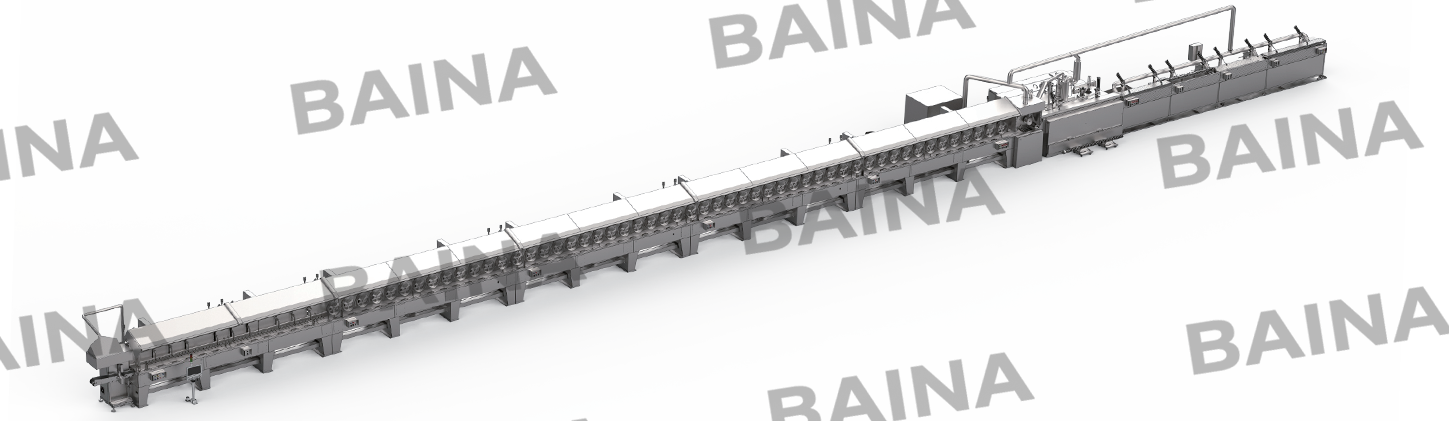
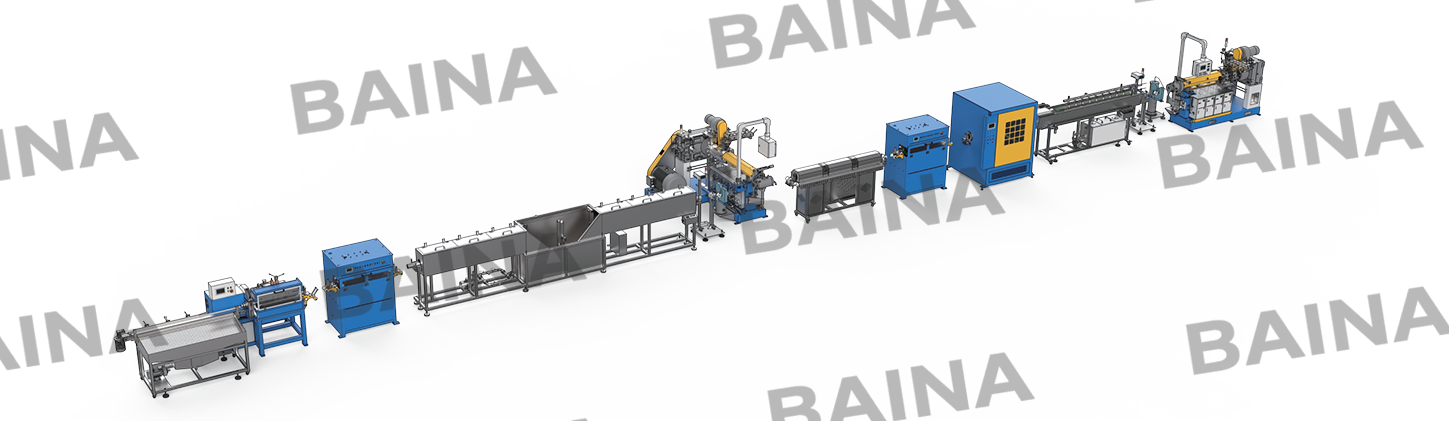
Ф120mm 16D Cold Feed Rubber Extruder
Cat:Extruder Series
Motor Power: 110 kWMaximum Output:700 kg/h
See Details

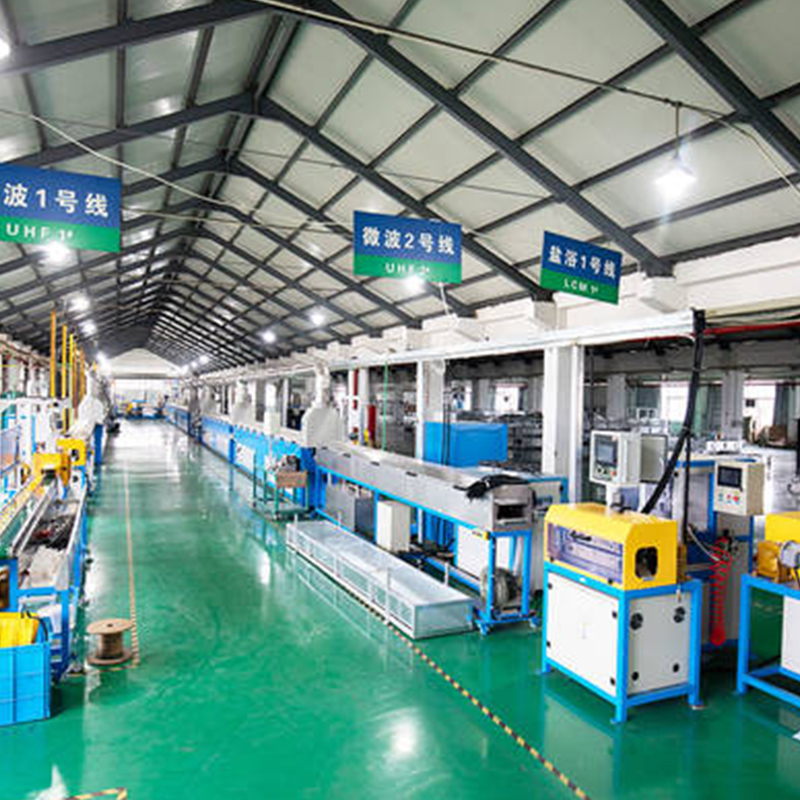
Salt bath curing is a heat treatment process used to enhance the properties of various materials, particularly metals. It is widely utilized in industrial applications where precise temperature control and uniform heating are crucial. A salt bath curing line is a specialized system that immerses workpieces in a molten salt bath to achieve the desired physical properties, such as hardness, strength, and corrosion resistance. Below are some of the common uses of salt bath curing in various industries.
1. Heat Treatment of Steel Components
One of the common uses of a salt bath curing line is in the heat treatment of steel components. Salt bath hardening is particularly useful for parts that require precise surface hardness without compromising the material's internal structure. The process involves immersing the steel parts in a molten salt bath that is heated to a specific temperature. This treatment increases the hardness of the surface, making it more resistant to wear and tear, without affecting the overall toughness of the material.
Automotive Parts: In the automotive industry, salt bath curing is commonly used for components such as gears, shafts, and bearings. These parts require a high degree of hardness to withstand the mechanical stress and friction experienced during operation. The salt bath process ensures that the surface is hardened while maintaining the part's ductility and impact resistance.
Tooling and Dies: Salt bath curing is also used for tooling and dies, especially in applications that involve high-speed cutting or stamping. By hardening the surface of these tools, manufacturers can improve their longevity and reduce the need for frequent replacements, thus enhancing productivity and cost-efficiency.
2. Surface Treatment of Non-Ferrous Metals
Salt bath curing lines are not only used for steel but also for the treatment of non-ferrous metals like aluminum, brass, and copper. The process can enhance the surface properties of these materials, such as improving wear resistance and increasing corrosion resistance. It is particularly effective for components that will be exposed to harsh environments or that require precise dimensional control.
Aluminum Components: Salt bath curing is widely used in the aerospace and automotive industries for the treatment of aluminum alloys. These alloys require surface hardening to ensure their strength and durability in demanding applications such as engine parts, aircraft components, and structural frames.
Brass and Copper: For brass and copper, salt bath curing can improve corrosion resistance and wear resistance. These materials are often used in plumbing, electrical, and heat exchanger applications, where longevity and resistance to environmental factors are essential.
Key Applications of Salt Bath Curing in Manufacturing
A salt bath curing line is an essential tool in various industries for treating metals and alloys. The precise control over heating and cooling that it offers makes it ideal for applications where material properties need to be fine-tuned for performance. Below are some notable applications of the salt bath curing line:
Enhancing Surface Properties of Steel and Alloys
Salt bath curing is particularly effective for improving the surface properties of steel and other alloys. This process can enhance the hardness, wear resistance, and fatigue strength of materials used in heavy-duty applications. For instance, parts used in automotive engines or machinery undergo salt bath curing to increase their resistance to high temperatures and friction.
Heat Treatment of Precision Components
Many industries, including aerospace, medical devices, and tool manufacturing, require precise heat treatment for small, intricate components. Salt bath curing provides an efficient solution for these sectors, as it offers uniform heating and minimizes the risk of distortion or uneven cooling, which is critical for maintaining the integrity of precision parts.
Corrosion Resistance in Marine and Aerospace Applications
Salt bath curing also plays a key role in increasing the corrosion resistance of materials exposed to harsh environments, such as marine and aerospace components. By improving the surface hardness and corrosion resistance of metals like aluminum and titanium, salt bath curing ensures that parts can endure prolonged exposure to saltwater or high-altitude conditions.
Key Benefits of Using a Salt Bath Curing Line
Salt bath curing lines offer several distinct advantages in manufacturing and metal treatment. These benefits make them an attractive option for industries seeking to improve the quality and durability of their products. Below are some of the key benefits associated with salt bath curing lines:
Uniform Heating and Temperature Control
One of the main benefits of a salt bath curing line is its ability to provide uniform heating. The molten salt bath ensures that the material being treated receives consistent and even heat, which helps prevent warping, cracking, or uneven surface hardness. This precise temperature control is essential for producing high-quality parts that meet stringent specifications.
Reduced Oxidation and Surface Defects
Salt bath curing reduces oxidation and surface defects compared to other heat treatment methods, such as furnace heating. The molten salt acts as a protective medium, preventing the formation of scale or oxidation on the surface of the metal during the heat treatment process. This results in cleaner, higher-quality parts that require less post-treatment cleaning.
Improved Process Efficiency
The salt bath curing process is relatively fast and energy-efficient. It requires less time to heat materials to the desired temperature compared to other methods, which can reduce energy consumption and increase production throughput. This makes it a cost-effective solution for high-volume manufacturing operations that require consistent quality and high production rates.
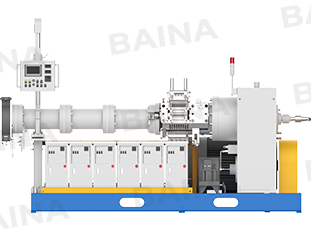
Motor Power: 110 kWMaximum Output:700 kg/h
See Details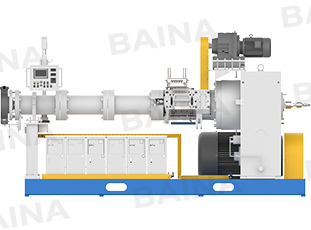
Motor Power: 160 kWMaximum Output: 1000 kg/h
See Details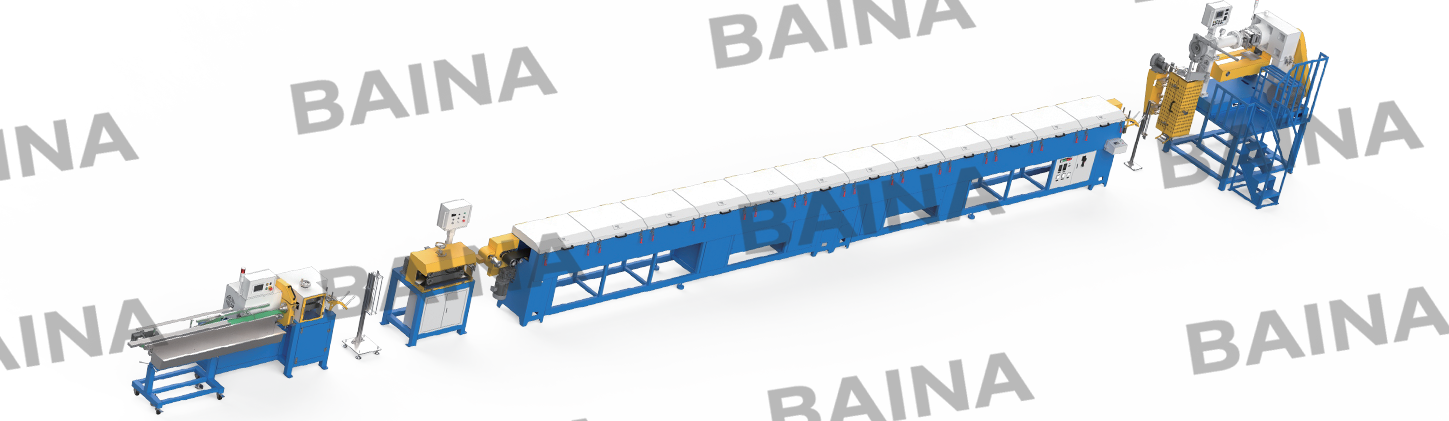
Product advantages1. High Space Utilization, Suitable for Compact Production Environments2. High Mol...
See Details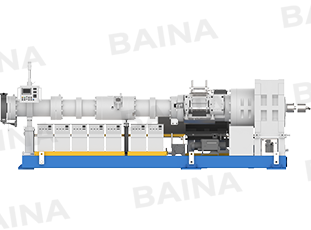
Motor Power: 315 kWMaximum Output: 2,000-2,400 kg/h
See DetailsA rubber profile can leave an extrusion die with the correct shape and still change during curing. T......
READ MORECutting a rubber tube to a specified length sounds simple until the material starts to compress, str......
READ MORERubber seals rarely share the same geometry. A flat gasket may have a relatively simple cross-sectio......
READ MORE

Rubber Extrusion Machine and Equipment