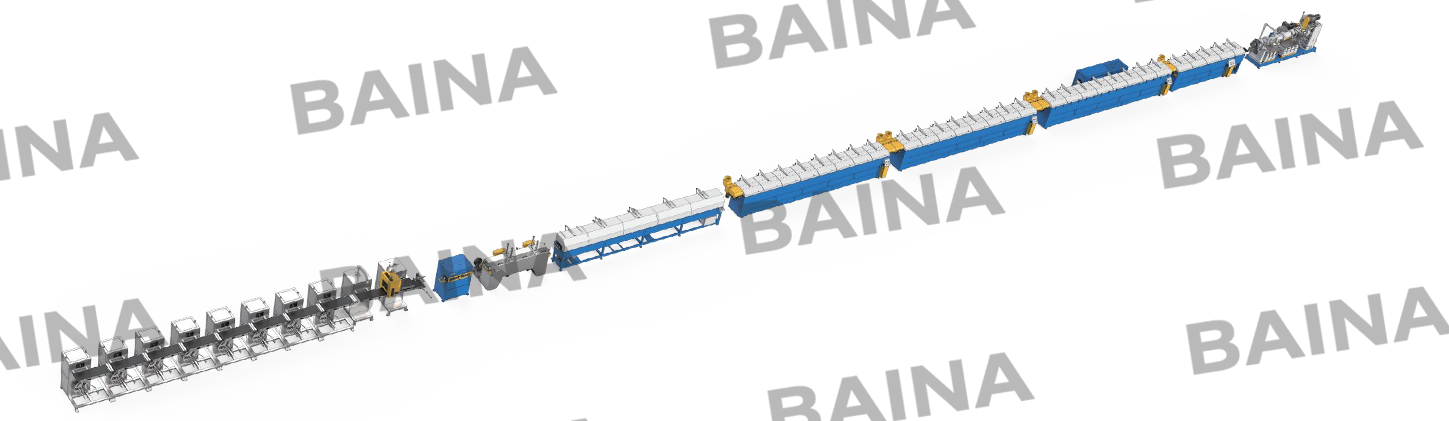
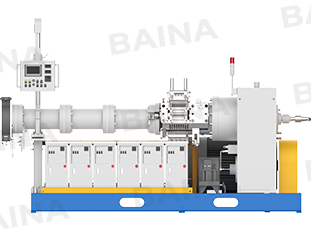
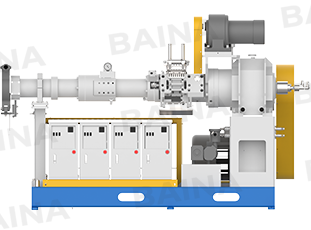
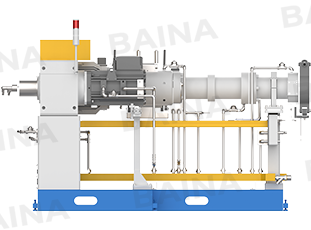
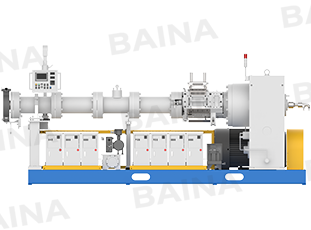
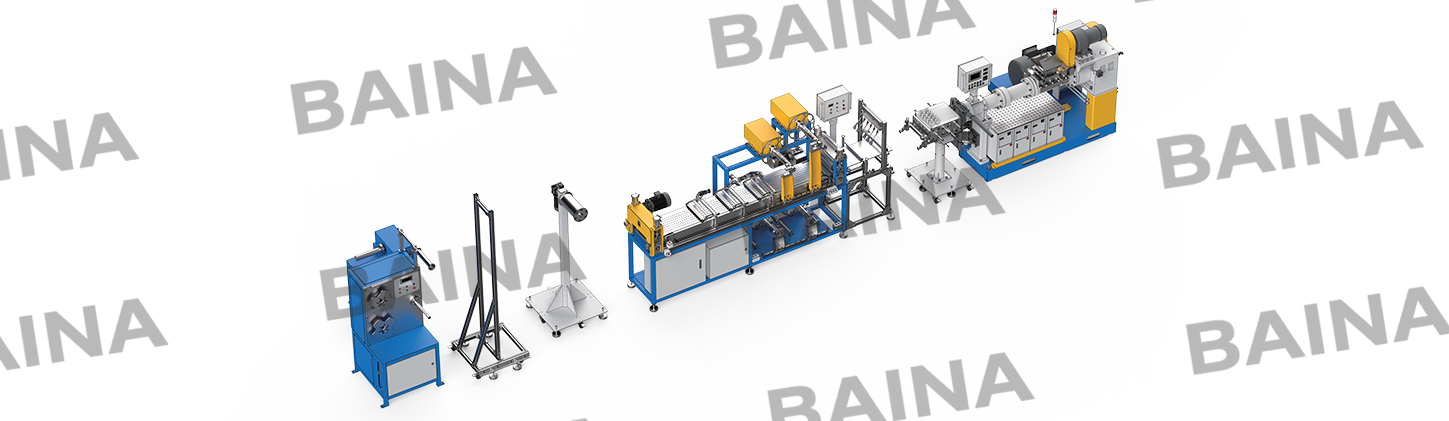
The rubber extrusion production line is a key component in the manufacturing of various rubber products. This process is essential for producing rubber components that are used in automotive, construction, medical, and consumer goods industries. Rubber extrusion involves forcing rubber material through a mold to form a specific shape, which can then be cut and processed further.
1. The Rubber Extrusion Process
The rubber extrusion process is a continuous manufacturing method that involves feeding a rubber compound into an extruder machine, where it is heated and forced through a mold to take a specific shape. The rubber compound used in the process typically consists of a mix of rubber polymers, fillers, chemicals, and additives, which provide the material with the necessary properties such as flexibility, durability, and resistance to wear.
Preparation of the Rubber Compound: Before the extrusion process begins, the rubber material is mixed in a batch process. The exact formula depends on the desired properties of the final product. Additives such as plasticizers, curing agents, and reinforcing agents are incorporated into the compound to meet the specifications required for various applications.
Extrusion Process: The compound is then fed into an extruder, which uses a rotating screw to push the material through a heated barrel. The temperature is carefully controlled to soften the rubber and ensure that it flows smoothly. The rubber exits through a die, which shapes it into a desired cross-section. The shaped rubber is then cooled and cut into the required lengths.
2. Machinery Involved in Rubber Extrusion
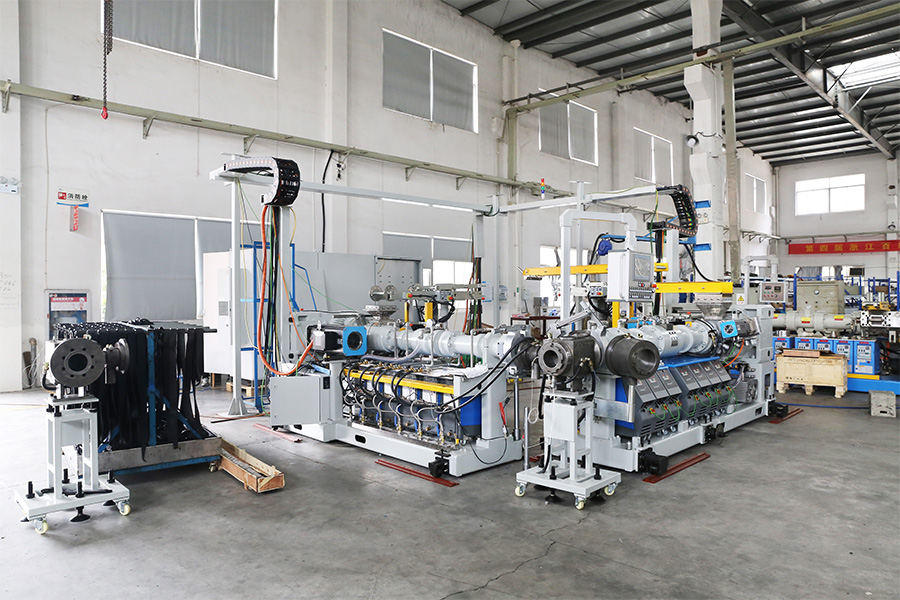
A rubber extrusion production line consists of various pieces of machinery, each playing a crucial role in the process. These machines work together to ensure that the rubber is processed effectively and efficiently.
Extruder Machine: The heart of the extrusion line, the extruder is responsible for feeding, heating, and forcing the rubber compound through the mold. Extruders are typically equipped with a series of barrels and screws that rotate and push the material forward. The extrusion process requires precise temperature and pressure control to ensure consistent quality.
Cooling System: Once the rubber is extruded into its desired shape, it must be cooled to solidify and retain its form. This cooling process is typically carried out using a water cooling system, which immerses the extruded rubber in a water bath or sprays it with water to bring the temperature down rapidly.
Cutting and Winding Systems: After cooling, the rubber can be cut to the required length by cutting blades or rotary cutters. In some cases, the extruded rubber is wound onto spools for easier handling and further processing.
Calendering and Profiling Machines: For certain products, the extruded rubber may be passed through calendering machines to smooth out the surface or adjust thickness. Profiling machines help in creating specific patterns or grooves in the rubber material.
3. Types of Rubber Products Produced
Rubber extrusion is a versatile process that can produce a wide range of rubber products, each serving a distinct purpose. Some of the common products include:
Seals and Gaskets: One of the widely used applications of rubber extrusion is the production of seals and gaskets. These are used to prevent leakage in machines, vehicles, and construction equipment. They are typically produced in continuous lengths and can be customized according to the dimensions and shapes required.
Rubber Hoses: Another common product produced through rubber extrusion is rubber hoses, which are used in automotive, industrial, and household applications. These hoses can be produced in various sizes and configurations, from small tubing to large, heavy-duty hoses.
Profiles and Trim: Rubber profiles and trim are used in the automotive and construction industries for sealing, insulation, and decoration. These include window seals, door seals, and trim strips, which are custom-shaped to fit specific dimensions and provide the necessary performance characteristics.
Cable Insulation: Rubber extrusions are also used to create insulation for electrical cables. The rubber provides protection from environmental factors such as heat, moisture, and mechanical damage, ensuring the longevity and safety of electrical wiring.
4. Applications of Rubber Extrusion
The products manufactured by a rubber extrusion production line have a broad range of applications across various industries. Their versatility and durability make them indispensable in many sectors:
Automotive Industry: Rubber extrusion plays a vital role in the automotive sector, where it is used for producing seals, gaskets, hoses, and trim. These rubber components are essential for ensuring vehicle safety, comfort, and performance. For example, rubber seals prevent water and air from entering the vehicle, while hoses are crucial for transporting fluids and gases.
Construction Industry: In construction, rubber extrusions are used for waterproofing, insulation, and sealing applications. They are commonly used in door and window seals, as well as in construction machinery and equipment.
Medical Industry: The medical industry also benefits from rubber extrusion, particularly in the production of medical tubing, seals, and gaskets used in medical devices. The rubber used in these applications must meet strict hygiene and safety standards, ensuring that the materials are non-toxic and durable.
Consumer Goods: Rubber extrusions are also used in consumer products such as kitchenware, sporting goods, and home appliances. The flexibility, durability, and insulating properties of rubber make it an ideal material for many everyday products.