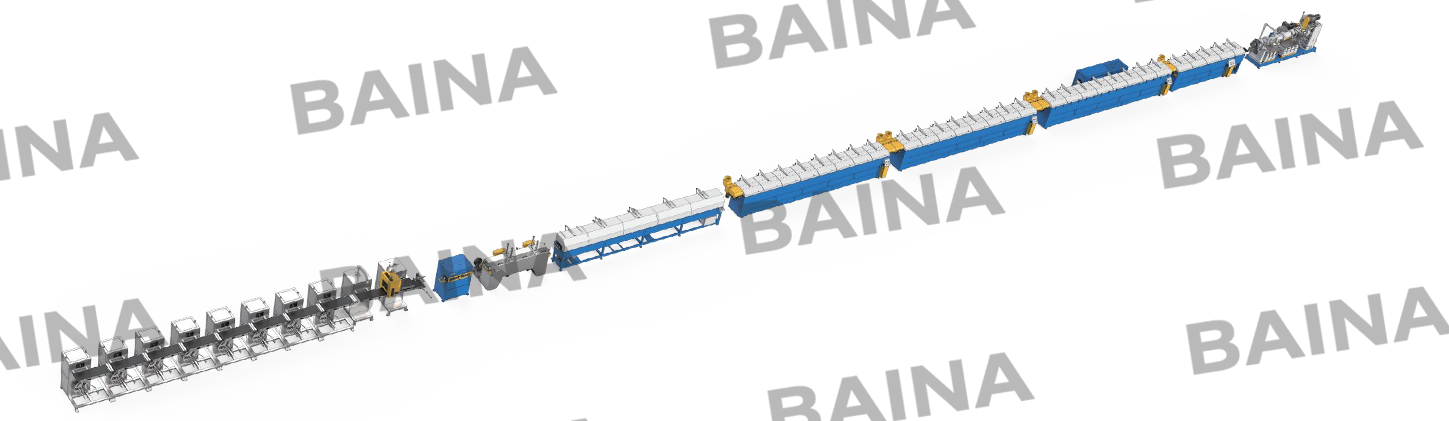
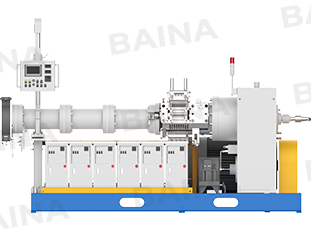
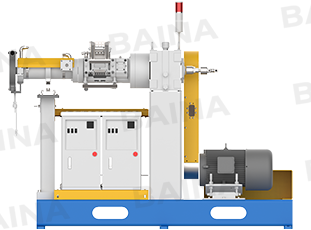
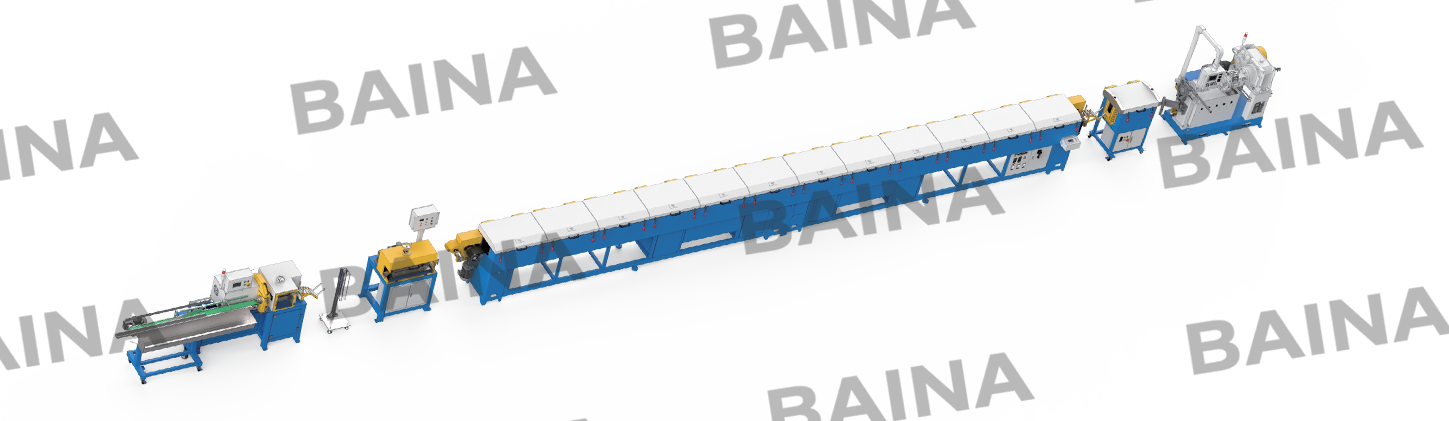
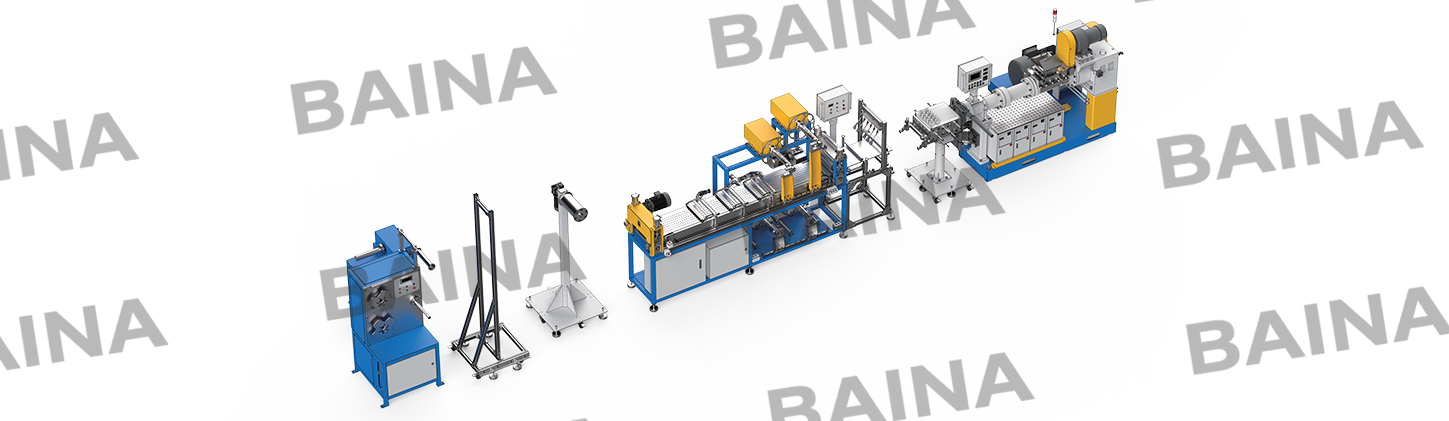
A salt bath curing line is a continuous industrial system used mainly in heat treatment processes, especially for metal parts that require controlled hardening, tempering, or surface modification. It relies on molten salt as the heat transfer medium, providing stable temperature conditions and consistent heating. To understand how such a system operates efficiently, it is necessary to examine its overall structure and the specific function of each component. The salt bath curing line is typically composed of material handling systems, the salt bath furnace itself, auxiliary heating and temperature control units, safety and environmental protection systems, and post-treatment and cleaning sections. Each part performs a defined role that supports the stability and effectiveness of the entire line.
Material Handling and Feeding System
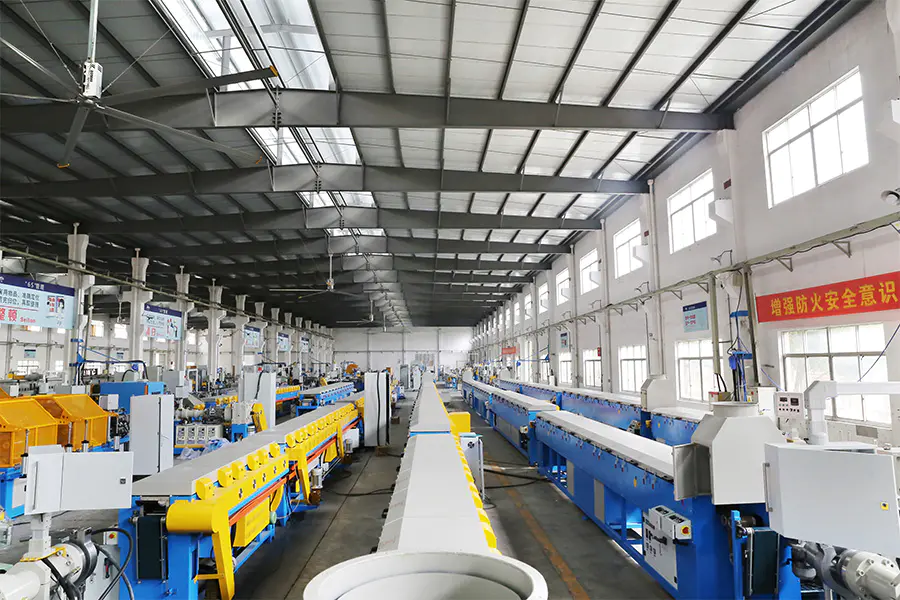
The material handling and feeding system forms the starting point of the salt bath curing line. Its primary function is to transport workpieces into and out of the curing line in a stable, organized, and repeatable manner. This system usually includes loading platforms, conveyors, hoists, baskets, and transfer mechanisms designed for high-temperature environments.
The feeding system must ensure that components are introduced into the salt bath at a controlled pace. Uniform feeding prevents thermal shock and reduces the risk of distortion in metal parts. Lifting mechanisms, such as electric hoists or robotic arms, lower parts into the molten salt with steady motion, splashing and heat loss. On the output side, the unloading system extracts the treated workpieces, guiding them toward subsequent washing, quenching, or cooling stages. By maintaining a consistent flow of parts, the material handling system directly influences productivity and product consistency.
Salt Bath Furnace and Molten Salt Tank
The salt bath furnace, also referred to as the molten salt tank, is the core of the entire curing line. Its primary function is to provide a stable, evenly distributed heat environment through molten salt. The furnace body is typically lined with refractory materials to withstand long-term exposure to high temperatures and chemical corrosion from molten salts.
Inside the tank, a mixture of salts—selected according to the intended heat treatment process—remains in molten form. The molten salt acts as both a heat transfer medium and, in some processes, a reactive environment that modifies the surface properties of the treated parts. Compared with air furnaces, molten salt enables rapid heat transfer and reduces oxidation. The salt bath tank is designed with adequate depth and volume to accommodate different batch sizes or continuous part movement. Structural stability, leakage prevention, and thermal insulation are essential factors in this section, as temperature fluctuations or salt leakage could affect both safety and product quality.
Heating System and Temperature Control Unit
The heating system supplies the thermal energy needed to maintain the salt in a molten state and to keep the bath within a defined process temperature range. Depending on the design, the heating system may use electric resistance heaters, gas burners, or indirect heat exchangers. These heating elements are installed around or inside the furnace to ensure uniform heat distribution.
The temperature control unit works in close coordination with the heating system. It uses thermocouples or other temperature sensors mounted at key locations in the salt tank to detect real-time temperature changes. The control unit then adjusts heating power automatically to maintain the required process temperature. Stable temperature control is necessary because deviations can inconsistent hardness, unwanted microstructural changes, or surface defects on treated parts. This unit also supports programmable heating profiles, allowing manufacturers to adapt the curing line to different materials and product specifications.
Protective Atmosphere and Sealing Components
Although molten salt itself offers some protection from oxidation, many salt bath curing lines still include auxiliary sealing and protective atmosphere components. These parts aim to reduce air ingress and minimize the release of harmful fumes.
Sealing structures are installed at openings where workpieces enter and leave the salt bath. They may include movable covers, sliding lids, or air-lock systems. In some designs, inert gas is introduced near the bath surface to limit oxygen contact. These measures reduce salt decomposition, lower oxidation risk on metal surfaces, and improve workplace safety. By stabilizing the internal environment of the curing line, these components help extend equipment service life and maintain product consistency.
Fume Extraction and Environmental Protection System
High-temperature molten salts may release fumes, dust, or chemical vapors during operation. The environmental protection system is designed to manage these by-products in a controlled manner. Its primary elements include fume hoods, ducting, filters, and exhaust fans.
The fume extraction system captures emissions directly above the salt bath and transports them through pipelines to filtering equipment. Dry or wet scrubbers remove harmful particles and gases before clean air is discharged. This system protects workers from exposure to irritating or hazardous substances and ensures compliance with environmental regulations. In addition, it helps keep surrounding equipment clean, reducing maintenance demands and preventing corrosion caused by salt residues.