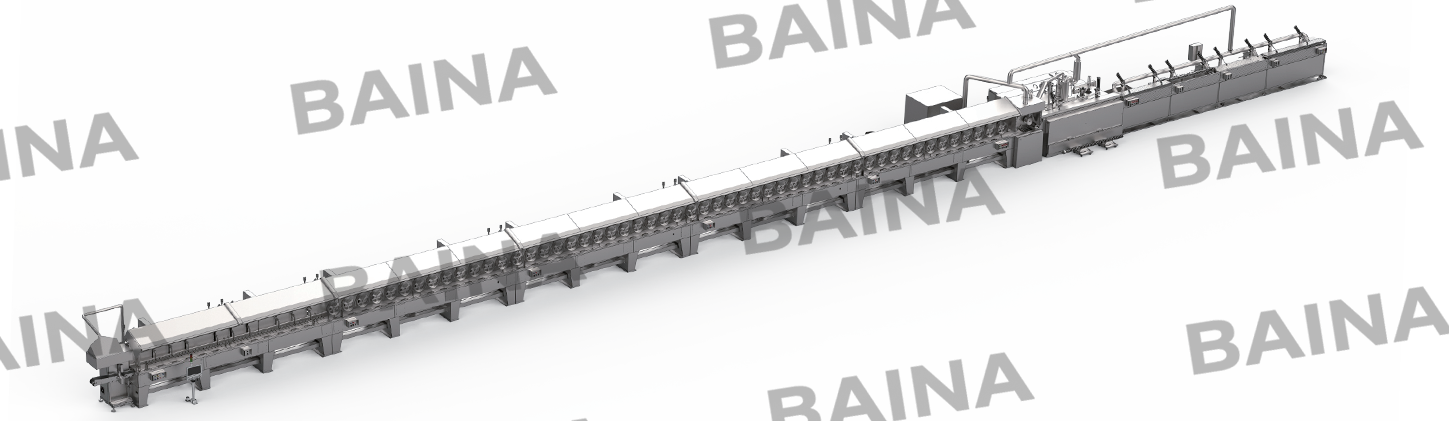
Ф120mm 16D Cold Feed Rubber Extruder
Cat:Extruder Series
Motor Power: 110 kWMaximum Output:700 kg/h
See Details
The rubber house production line can also produce automotive hoses. In vehicles, rubber hoses are required for cooling systems, fuel lines, brake systems, and air-conditioning units. Each type of hose uses specific rubber formulations and reinforcement structures to match the needs of pressure, temperature, and resistance. The production line can adjust parameters and materials to create hoses suitable for these different automotive systems.
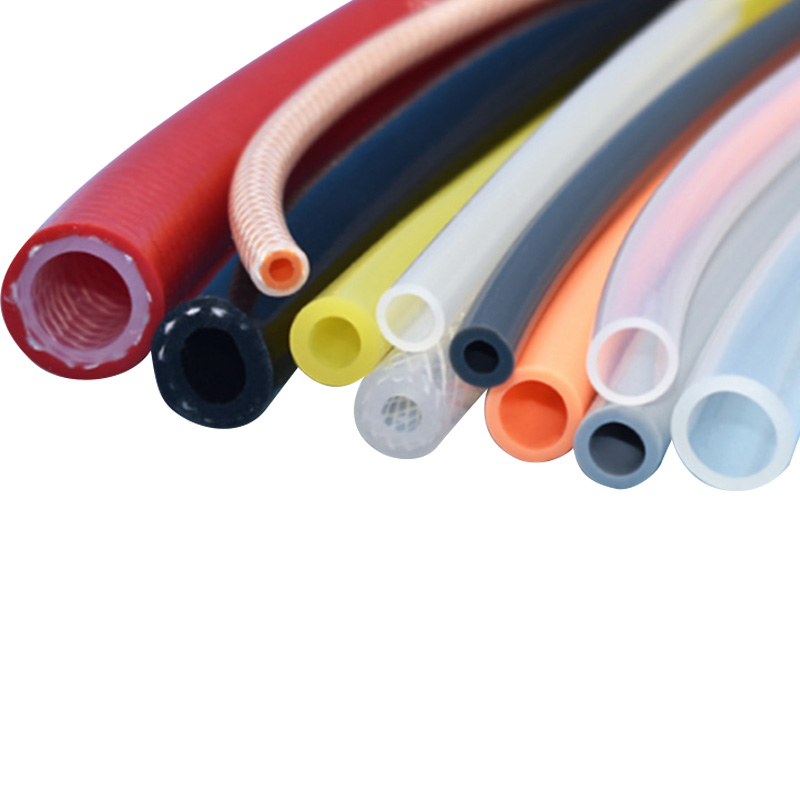
Another category is hydraulic hoses. These hoses operate under higher pressure and require both strength and stability. With multi-layer reinforcement, hydraulic hoses ensure consistent performance in construction machinery, agricultural equipment, and industrial automation devices. The production line can integrate fabric or steel wire reinforcement, depending on the performance level required.
The line can also produce household and daily-use hoses. Examples include garden hoses, washing machine hoses, and general water supply hoses. These products focus on flexibility, safety, and ease of handling. By changing dies, reinforcement patterns, or rubber materials, manufacturers can switch production to meet various consumer needs. Overall, the production line supports a broad portfolio, enabling manufacturers to serve industrial, automotive, hydraulic, and household markets.
Key Processes Within Production
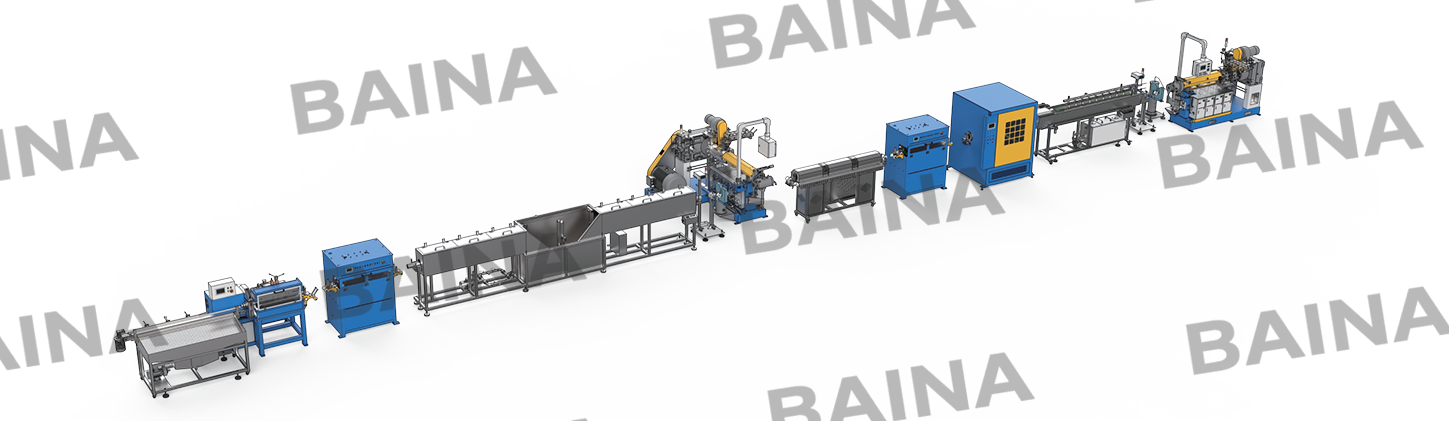
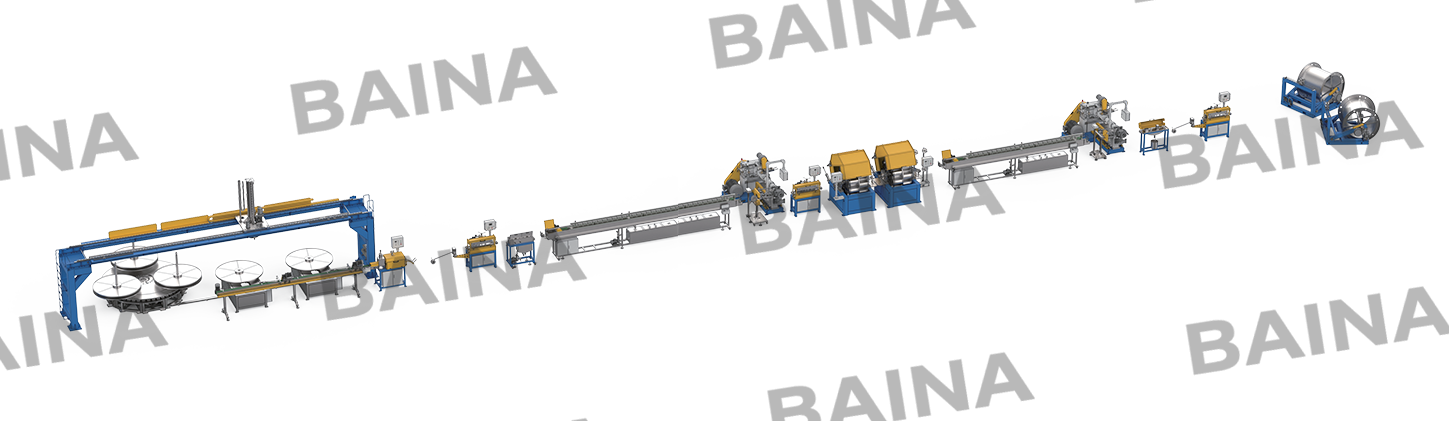
The rubber hose production line uses several coordinated processes. Comes material preparation, where rubber compounds are mixed with additives to achieve the right elasticity, durability, and resistance. Proper mixing helps ensure stable extrusion quality. The prepared rubber is then fed into the extruder, where it is heated and shaped. The extruder screw pushes the rubber toward the die, which determines the hose's outer shape. At this stage, reinforcement layers—such as fabric braiding or steel wire winding—may be applied.
After shaping, the hose enters a vulcanization unit. Vulcanization helps the rubber reach its final mechanical properties. Steam or hot-air vulcanization is commonly used, depending on hose type and thickness. Following this, cooling equipment stabilizes the hose and maintains dimensional accuracy. Finally, the product moves to cutting and inspection. Length, wall thickness, and appearance are checked before packaging. These coordinated steps allow the production line to run continuously and produce long lengths of hose efficiently.
Operational Precautions for Safety
Safe operation of a rubber hose production line requires several precautions. Operators must inspect the equipment before starting. This includes checking the extruder barrel, die, reinforcement machine, and vulcanization chamber for residue, debris, or abnormal wear. Ensuring clean and stable equipment conditions helps prevent defects during extrusion.
Temperature and pressure monitoring is another important precaution. Rubber extrusion relies heavily on proper heating, and temperature deviations may cause uneven flow or material degradation. Operators should confirm that each heating zone displays the correct value. Pressure levels inside the extruder and reinforcement systems must also remain within their safe ranges to avoid sudden failures.
Personal protective equipment is necessary. Gloves, protective eyewear, and heat-resistant clothing help minimize injury risks. Some parts of the production line operate with rotating components or high-temperature surfaces, so maintaining a safe distance from moving or heated equipment is essential. Emergency stop switches should remain accessible at all times, and operators should be trained to use them when needed.
It is also important to manage the surrounding environment carefully. Walkways should stay clear of materials, packaging, and tools. Adequate ventilation is helpful because certain rubber compounds may produce odors or fumes during extrusion and vulcanization. Maintaining good ventilation helps create a stable and safer working area.
Operational Precautions for Product Quality
To maintain product quality, operators should regularly adjust process parameters according to the hose specifications. Changes in raw materials or reinforcement patterns require updates to extrusion speed, temperature, and die settings. Monitoring the cooling system is also important. Cooling that is too fast or too slow can affect hose roundness and internal structure.
Quality inspections should occur throughout the process rather than only at the end. Operators can use visual checks, diameter gauges, and surface evaluations to confirm consistency. Reinforcement layers should stay aligned and evenly tensioned. Irregular reinforcement may reduce hose durability in service. Recording production data helps trace issues if inconsistencies appear later.
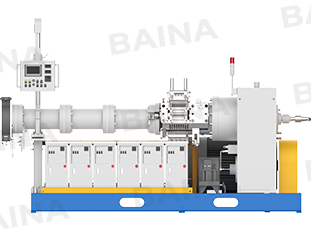
Motor Power: 110 kWMaximum Output:700 kg/h
See Details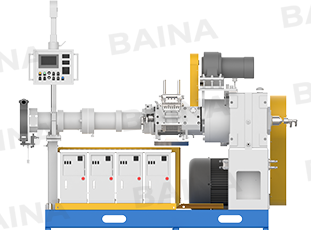
Motor Power: 55 kWMaximum Output: 320 kg/h
See Details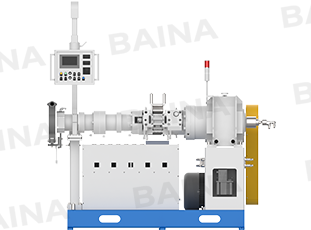
Motor Power: 22 kWMaximum Output: 120 kg/h
See DetailsA rubber profile can leave an extrusion die with the correct shape and still change during curing. T......
READ MORECutting a rubber tube to a specified length sounds simple until the material starts to compress, str......
READ MORERubber seals rarely share the same geometry. A flat gasket may have a relatively simple cross-sectio......
READ MORE

Rubber Extrusion Machine and Equipment