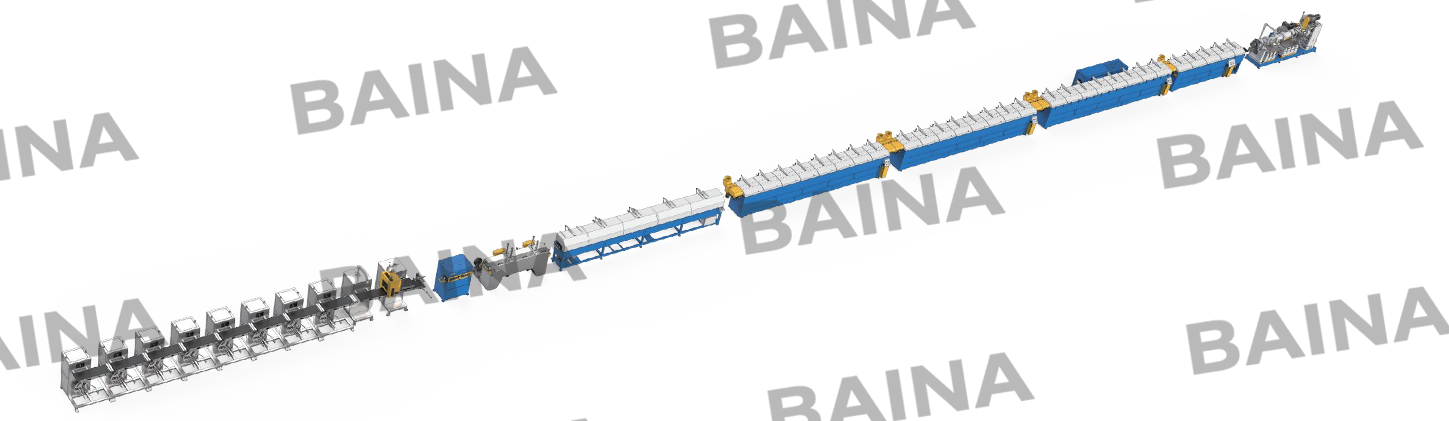
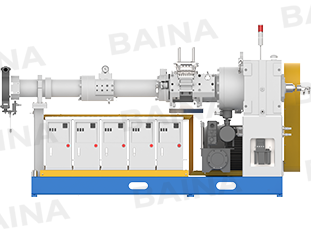
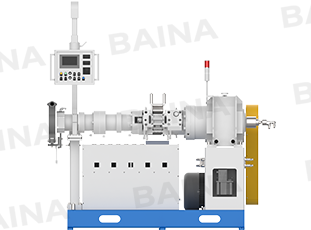
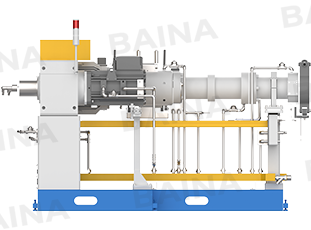
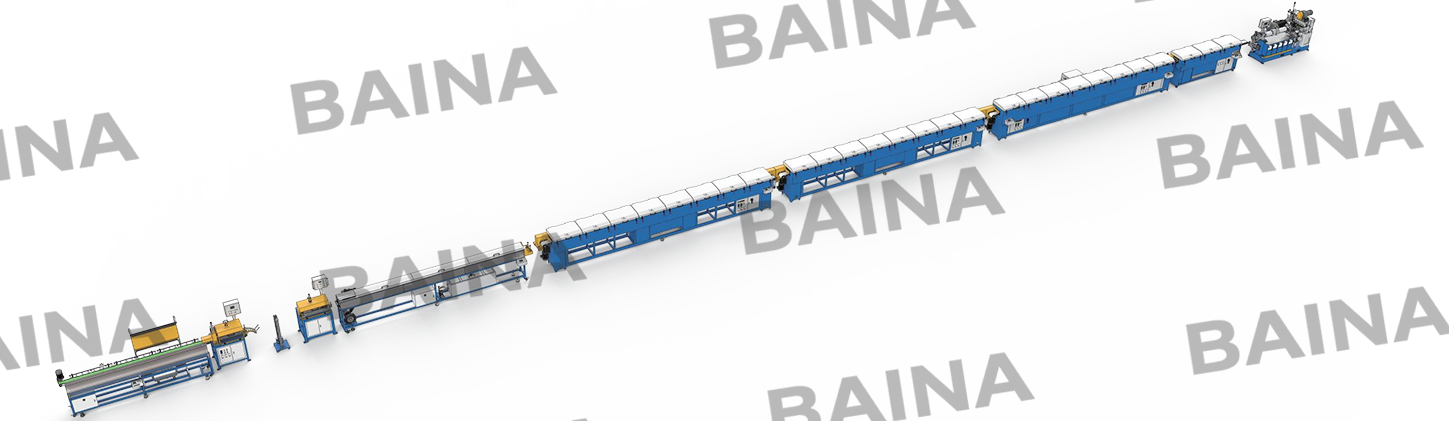
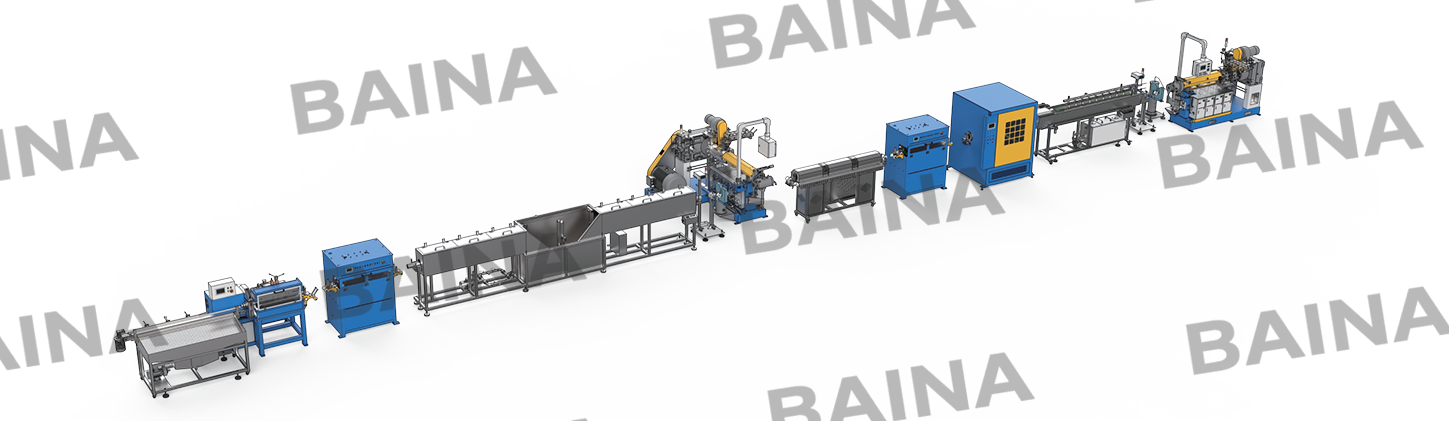
Rubber vulcanization is a crucial process in the manufacturing of rubber products, particularly for items requiring durability, strength, and flexibility. A vulcanizing machine plays a central role in this process. The following advantages highlight why these machines are indispensable in various industries.
Improved Material Properties
The primary benefit of a rubber vulcanizing machine is its ability to enhance the physical properties of rubber. During vulcanization, sulfur is introduced to the rubber compound, forming cross-links between polymer chains. This creates a three-dimensional network that increases the rubber's strength, elasticity, and heat resistance. As a result, vulcanized rubber exhibits better wear resistance, making it suitable for demanding applications like tires, seals, and industrial components.
Consistency and Precision
Modern rubber vulcanizing machines are equipped with advanced control systems that ensure uniform heat distribution and pressure throughout the rubber material. This consistency bring about uniform product quality, reducing defects and improving overall efficiency. Precise control of temperature and time is critical for optimizing the vulcanization process and producing high-quality rubber goods.
Increased Durability
Vulcanized rubber has a significantly longer lifespan compared to untreated rubber. This increased durability is essential in applications such as automotive tires, industrial seals, and hoses, where long-term performance under stress is required. The enhanced resistance to factors such as heat, oil, and abrasion makes vulcanized rubber products more reliable and cost-effective over time.
Versatility in Manufacturing
Rubber vulcanizing machines are highly versatile and can be used for various types of rubber, including natural rubber, synthetic rubber, and silicone rubber. This flexibility makes them suitable for different industries, from automotive to medical equipment. The ability to mold rubber into different shapes and sizes further broadens the application of vulcanizing machines across diverse sectors.
Advantages of a Rubber Vulcanizing Machine: A Breakdown
Improved Physical Properties
The vulcanizing machine enhances the rubber's properties, making it more durable and elastic. This improves its usability in products that require strength and flexibility, such as tires, seals, and gaskets.
Uniformity and Efficiency
The machine ensures consistent quality in rubber products. With the ability to control temperature and pressure precisely, it minimizes the chances of defects and optimizes production efficiency.
Long-Term Durability
Vulcanized rubber products have a longer lifespan, making them more cost-effective. The increased resistance to heat, wear, and chemical degradation helps extend the life of rubber products used in challenging environments.
Energy Efficiency
Modern vulcanizing machines are designed to be more energy-efficient. Advanced heating and cooling systems reduce energy consumption during the vulcanization process, lowering operational costs for manufacturers.
Customization of Product Design
The versatility of vulcanizing machines allows manufacturers to create rubber products in various shapes and sizes, catering to different industry needs. This adaptability is crucial for companies that require custom-made rubber components.
Key Advantages of a Rubber Vulcanizing Machine
AdvantageExplanation
|
Advantage
|
Explanation
|
|
Improved Material Properties
|
Enhances strength, elasticity, and heat resistance of rubber.
|
|
Consistency and Precision
|
Ensures uniform heat distribution for high-quality, defect-free products.
|
|
Increased Durability
|
Extends the lifespan of rubber products, especially in tough conditions.
|
|
Versatility
|
Can handle different types of rubber for various applications.
|
|
Energy Efficiency
|
Reduces energy consumption, lowering production costs.
|
|
Customization
|
Allows for manufacturing of rubber goods in different shapes and sizes.
|
The rubber vulcanizing machine offers multiple benefits that improve the quality, efficiency, and versatility of rubber production, making it a key tool for industries that rely on rubber-based components.