


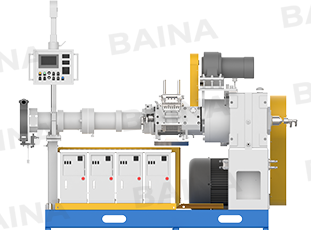
Ф90mm 16D Cold Feed Rubber Extruder
Cat:Extruder Series
Motor Power: 55 kWMaximum Output: 320 kg/h
See Details
A standard rubber hose production line consists of several interconnected machines, each performing a specific function in the manufacturing process. While configurations may vary depending on hose type and production capacity, the core components are generally consistent.
Rubber Mixing Equipment
Internal mixers or open mills are used to compound raw rubber with fillers, plasticizers, curing agents, and additives. Proper mixing ensures uniform physical properties throughout the hose.
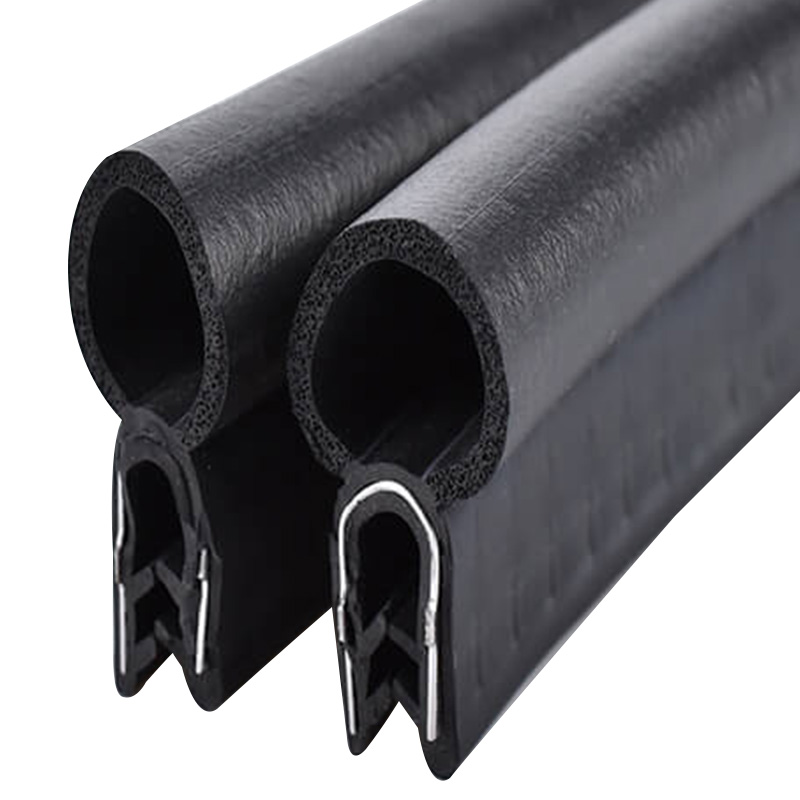
Rubber Extruder
The extruder forms the inner tube or outer cover of the hose. Cold-feed rubber extruders are commonly used due to their stable output and compatibility with modern compounding systems.
Reinforcement Application Units
Braiding or spiraling machines apply textile yarn, steel wire, or synthetic fiber layers to improve pressure resistance and structural strength.
Vulcanization System
Vulcanization lines, such as continuous steam tunnels, hot-air ovens, or salt bath systems, cure the rubber to achieve the required elasticity and durability.
Cutting and Finishing Equipment
After curing, hoses are cut to length, inspected, and prepared for packaging or further assembly.
How Does Hose Type Affect Production Line Configuration?
The design of a rubber hose production line is strongly influenced by the type of hose being manufactured. Different applications require different materials, structures, and performance characteristics, which in turn affect equipment selection and process flow.
Low-Pressure Rubber Hoses
These hoses, often used for water, air, or general industrial purposes, typically require simpler extrusion and textile reinforcement. The production line may focus on cost efficiency and stable output.
High-Pressure and Hydraulic Hoses
Hydraulic hoses require multiple layers of steel wire reinforcement and precise dimensional control. Production lines for these hoses include advanced braiding or spiraling machines and strict quality monitoring systems.
Automotive and Specialty Hoses
Hoses used in automotive cooling, fuel, or air systems often involve complex shapes and tight tolerances. Production lines may include mandrel-based processes or specialized forming equipment.
As a result, manufacturers must align the production line layout with the intended hose specifications to achieve consistent quality and compliance with industry standards.
What Quality Control Measures Are Commonly Used in Rubber Hose Production?
Quality control is a critical concern in rubber hose manufacturing, as hoses are often used in demanding operating environments. Modern production lines integrate several quality assurance measures to ensure reliability and traceability.
Raw Material Inspection
Incoming rubber compounds, reinforcement materials, and additives are checked for consistency and compliance with technical specifications.
In-Process Monitoring
Parameters such as extrusion pressure, temperature, wall thickness, and reinforcement tension are monitored during production to reduce variation.
Finished Product Testing
Hoses are tested for pressure resistance, dimensional accuracy, adhesion between layers, and aging performance according to relevant standards.
Documentation and Traceability
Production records, batch numbers, and test results are maintained to support quality audits and customer requirements.
These measures help manufacturers reduce defect rates and maintain stable long-term production.
What Are the Key Considerations When Setting Up or Upgrading a Rubber Hose Production Line?
When establishing a new rubber hose production line or upgrading an existing one, manufacturers typically focus on several practical considerations to balance performance, cost, and scalability.
Production capacity planning is essential. Equipment selection should match expected output volumes while allowing for future expansion. Oversized or undersized systems can affect efficiency and operating costs.
Automation and control systems are increasingly important. Automated feeding, tension control, and monitoring systems improve consistency and reduce reliance on manual adjustments.
Energy efficiency and maintenance should be evaluated. Modern extruders, curing systems, and drives are designed to reduce energy consumption and simplify routine maintenance.
Compliance with standards and safety requirements must be addressed. Production lines should support relevant international or regional standards for rubber hoses and incorporate safety features to protect operators.
By addressing these considerations during planning and implementation, manufacturers can build rubber hose production lines that are reliable, adaptable, and aligned with current market expectations.
Motor Power: 55 kWMaximum Output: 320 kg/h
See Details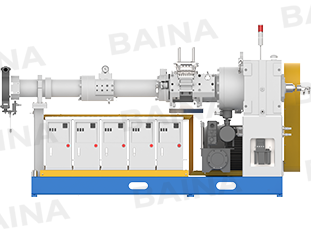
Motor Power: 55 kWMaximum Output: 320 kg/h
See Details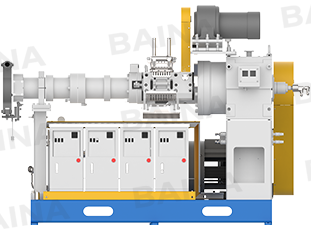
Motor Power: 37 kWMaximum Output: 150 kg/h
See Details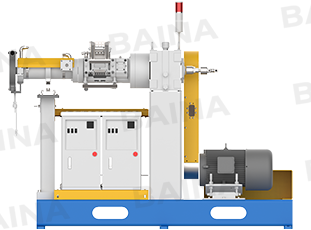
Motor Power: 7.5 kWMaximum Output: 50 kg/h
See Details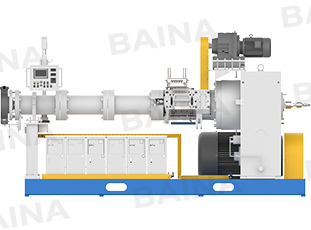
Motor Power: 160 kWMaximum Output: 1000 kg/h
See Details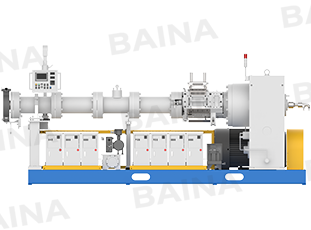
Motor Power: 160 kWMaximum Output: 1000 kg/h
See DetailsRubber hose design is often discussed in terms of inner diameter, outer diameter, and wall thickness......
READ MOREA rubber profile can leave an extrusion die with the correct shape and still change during curing. T......
READ MORECutting a rubber tube to a specified length sounds simple until the material starts to compress, str......
READ MORE

Rubber Extrusion Machine and Equipment