English

Ф200mm 20D Cold Feed acuum Rubber Extruder
Cat:Extruder Serise
Motor Power: 315 kWMaximum Output: 2,000-2,400 kg/h
See Details


Given the critical nature of these components, the machinery that produces them demands a regimen of care that is both systematic and preventative. Maintaining an EPDM extruder is not merely a reactive task to be performed when a machine breaks down; it is a fundamental, rhythmic process that ensures product quality, operational safety, and the long-term economic viability of the production line.
At the heart of the extrusion process lies the screw and barrel assembly, a precision-ground system where raw EPDM compound is transformed under heat and pressure into a homogeneous, workable melt. This area is the primary focus of any maintenance routine due to the nature of the material itself. EPDM compounds are filled with carbon black, oils, and curing agents that can, over time, adhere to the metal surfaces of the screw flights and the barrel wall. If left unaddressed, this buildup, often referred to as "plating" or "burn-up," degrades. The stagnant material begins to cure prematurely due to prolonged heat exposure, breaking down into hard, carbonized particles. These particles can break loose and become embedded in the new production stream, causing surface imperfections, black specks, or weak points in the final profile. Therefore, a disciplined cleaning schedule is paramount. Depending on the production schedule and the specific compound being used, this may involve a nightly purge with a cleaning compound designed to push out residual material. For deeper cleans or when changing to a different color or formulation, the screw may need to be pulled. This process allows operators to manually clean the screw with a brass wire brush and copper wool, materials soft enough to remove deposits without scoring the critical surface finish of the steel. A clean screw maintains consistent pumping efficiency and shear, which directly translates to stable product dimensions and material properties.
Parallel to the fight against material buildup is the battle against mechanical wear. An extruder is a machine under constant duress, operating at high temperatures and pressures. The screw, while rotating, experiences friction against the barrel and the material itself. Over months and years of operation, the flight flanks—the edges of the screw thread—inevitably wear down. This wear increases the clearance between the screw flight and the barrel wall, allowing material to slip backward. The result is a loss of pumping efficiency, reduced output rates, and greater difficulty in maintaining a consistent melt temperature. A maintenance protocol must, therefore, include periodic measurements of these critical clearances. When the gap exceeds the manufacturer's specifications, the screw, the barrel, or both must be replaced or reconditioned through hard-facing welding and regrinding. Similarly, the thrust bearing, which absorbs the tremendous backpressure generated at the front of the screw, must be checked. Failure here is catastrophic and can destroy the gearbox. Regular oil analysis and bearing temperature checks are essential preventative measures against such a failure.
Beyond the mechanical power train, the extruder is a finely tuned thermal system. The quality of the EPDM profile depends entirely on precise temperature control along the barrel, die, and screw (if oil-cooled). Heating elements, usually cast-in heaters or heater bands, and cooling systems (air fans or water channels) work in concert to maintain the temperature profile set by the process engineer. A failed heater in the feed throat can prevent the material from softening, bring about screw breakage. A malfunctioning heater in the die section can cause the rubber to flow unevenly, resulting in a distorted or out-of-tolerance profile. Regular maintenance involves using infrared thermometers or thermocouples to verify that each zone is reaching and holding its set point. Electrical connections must be checked for tightness to prevent arcing, and cooling valves or fans must be confirmed to be operational. This thermal vigilance ensures the material’s viscosity remains consistent, which is the key to achieving the tight dimensional tolerances required by customers.
The point of product creation—the die and downstream tooling—requires specialized attention. The die is the final shaping orifice, and its condition is the direct determinant of the product's initial form. Dies for EPDM are subject to both abrasive wear from fillers in the compound and the physical stress of frequent installation and removal. During production, material can stagnate at the die exit, slowly building up and distorting the profile shape, a phenomenon known as "plate-out." Maintenance here involves regular inspection, often with magnification, for nicks, scratches, or wear that could mark the product. The die must be cleaned, typically through a pyrolysis oven that burns off the rubber without damaging the steel, followed by careful hand-finishing. Coating dies with chrome or other release materials can extend their life, but regular inspection remains the cornerstone of quality control.
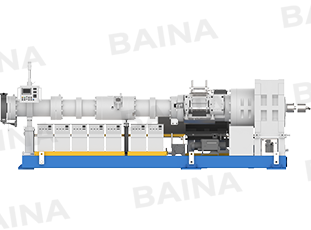
Motor Power: 315 kWMaximum Output: 2,000-2,400 kg/h
See Details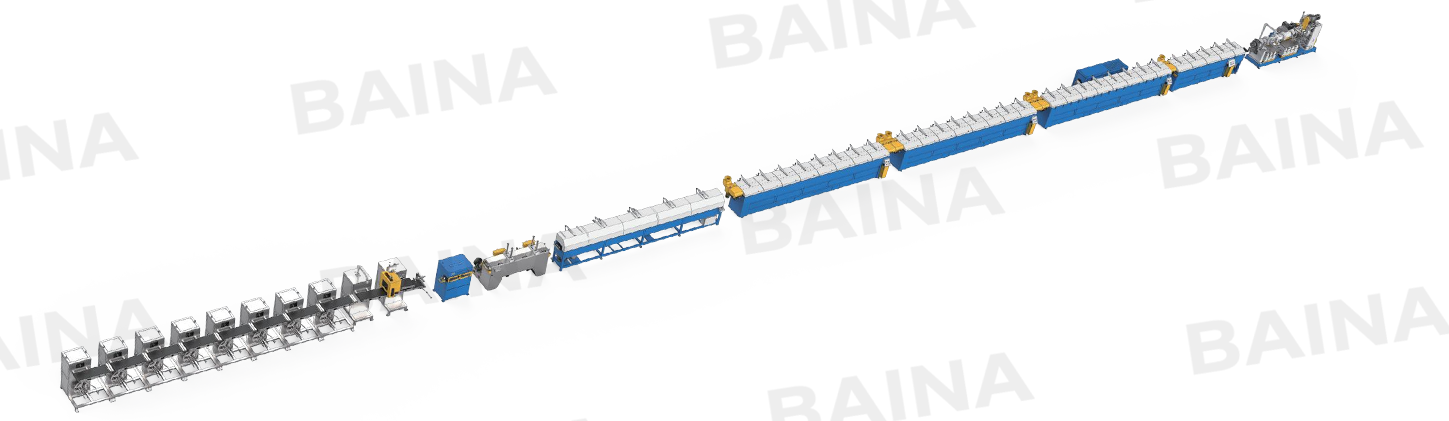
Product AdvantagesThis production line is a high-end configuration model, equipped with a small-size...
See Details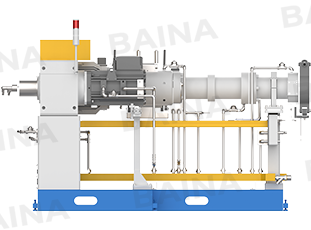
Motor Power: 45 kWMaximum Output: 280 kg/h
See Details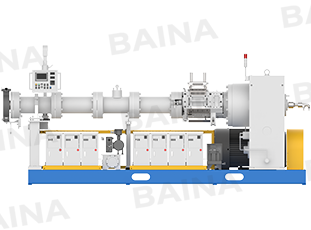
Motor Power: 160 kWMaximum Output: 1000 kg/h
See Details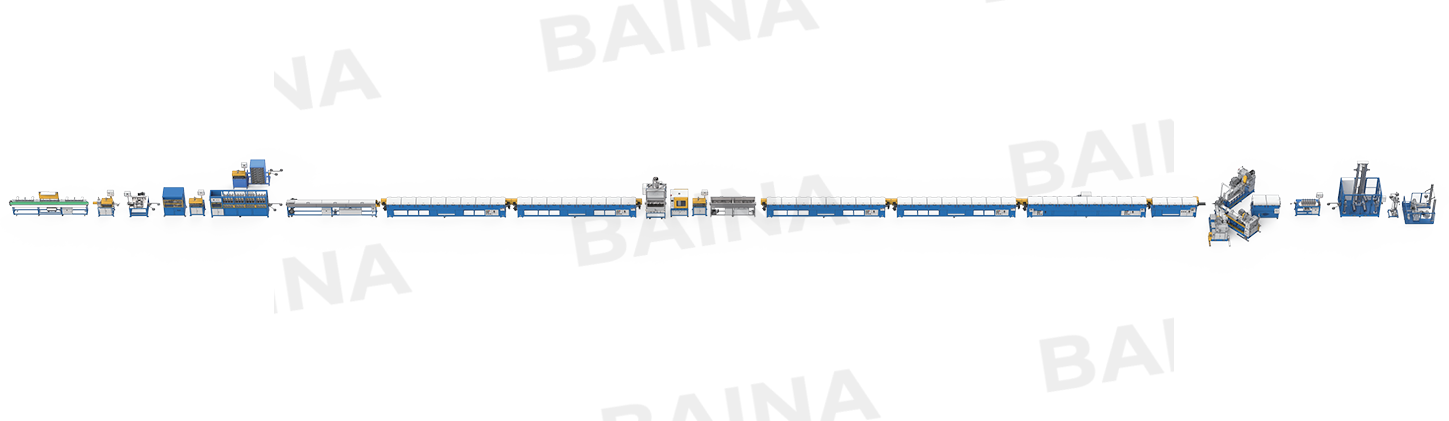
Product AdvantagesThis production line is primarily used for manufacturing rubber products that are ...
See Details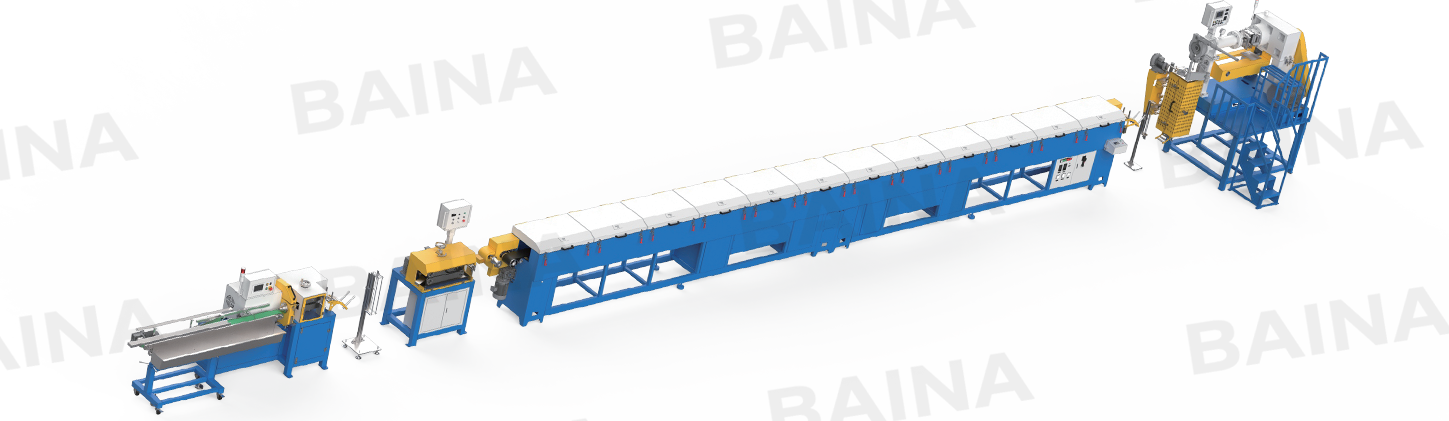
Product advantages1. High Space Utilization, Suitable for Compact Production Environments2. High Mol...
See Details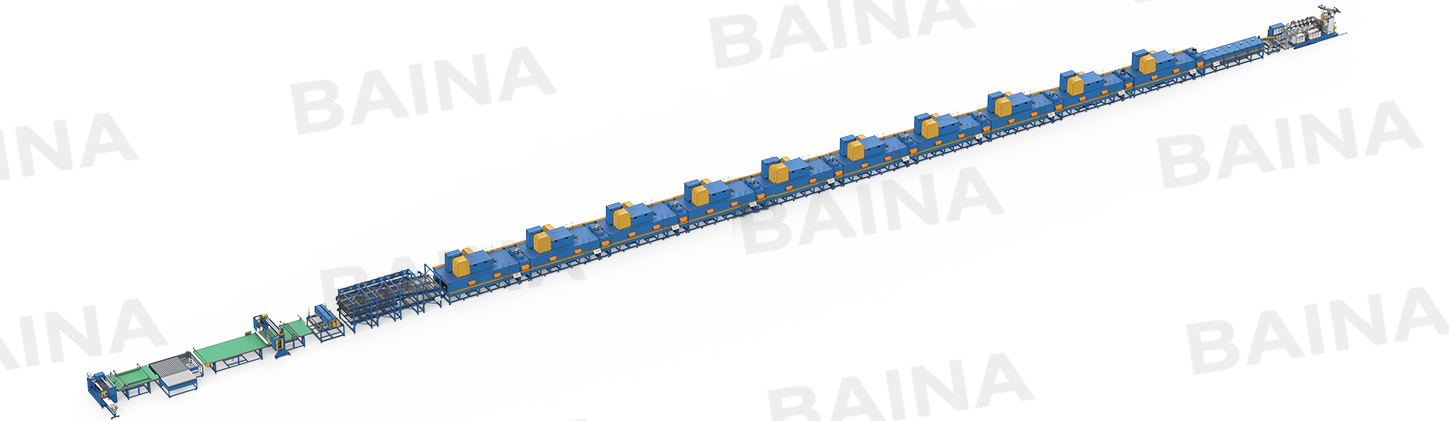
1. Core Control System Advantages: Utilizes Siemens motors, frequency converters, and PLCs paired wi...
See DetailsThe manufacturing of rubber hoses is a specialized industrial process that transforms raw elastomeri......
READ MORERubber extrusion is a continuous manufacturing process used to produce profiles such as seals, gaske......
READ MOREA salt bath curing line is widely used in the continuous vulcanization of rubber profiles such as se......
READ MORERubber extrusion is a continuous manufacturing process used to produce profiles such as seals, gaske......
READ MOREA salt bath curing line is widely used in the continuous vulcanization of rubber profiles such as se......
READ MORE