



Home / Machinery&Solutions
Rubber Hose Production Line
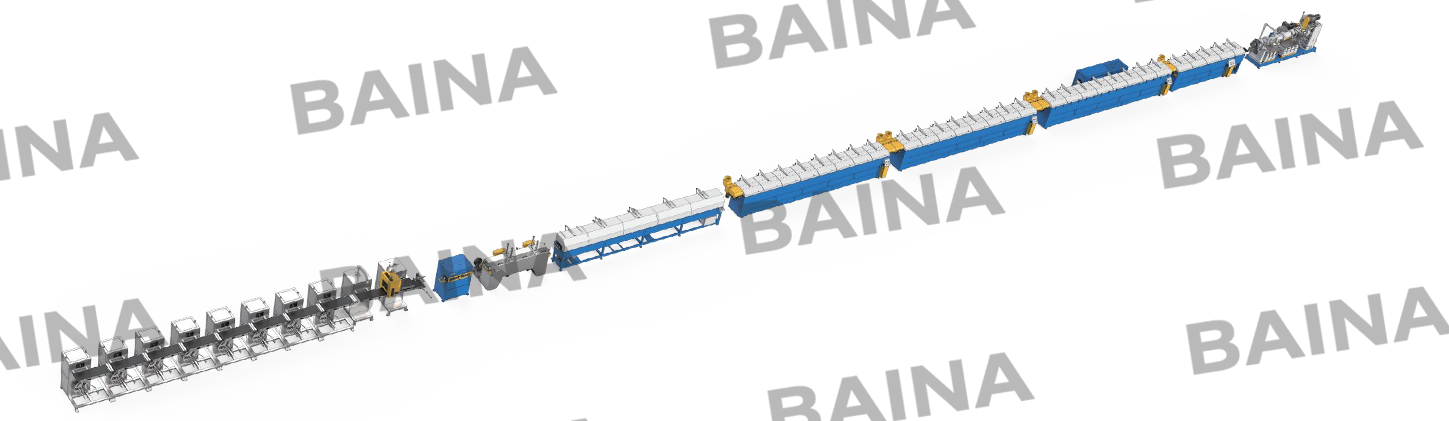
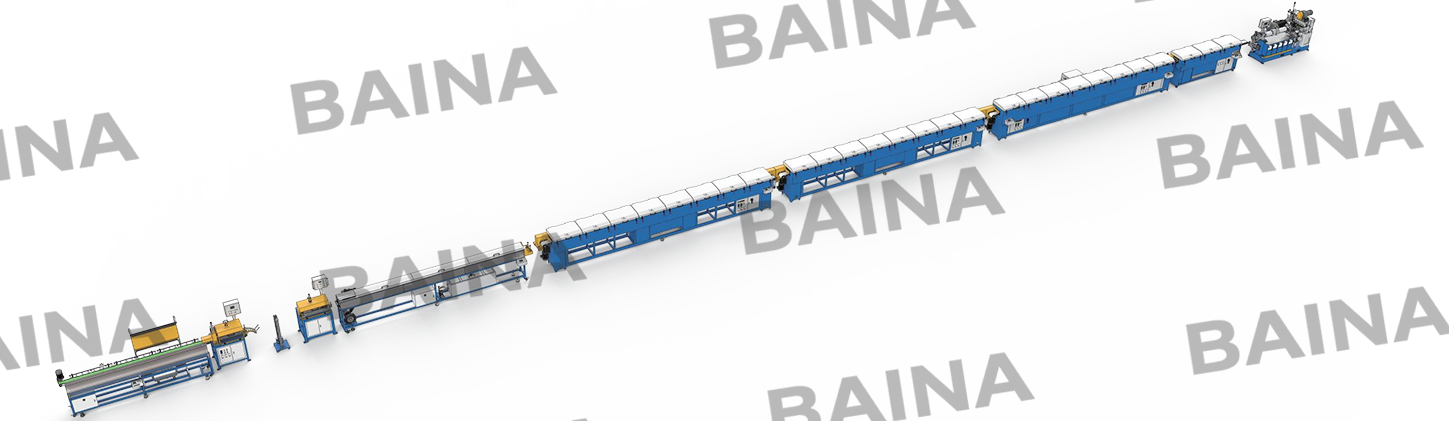
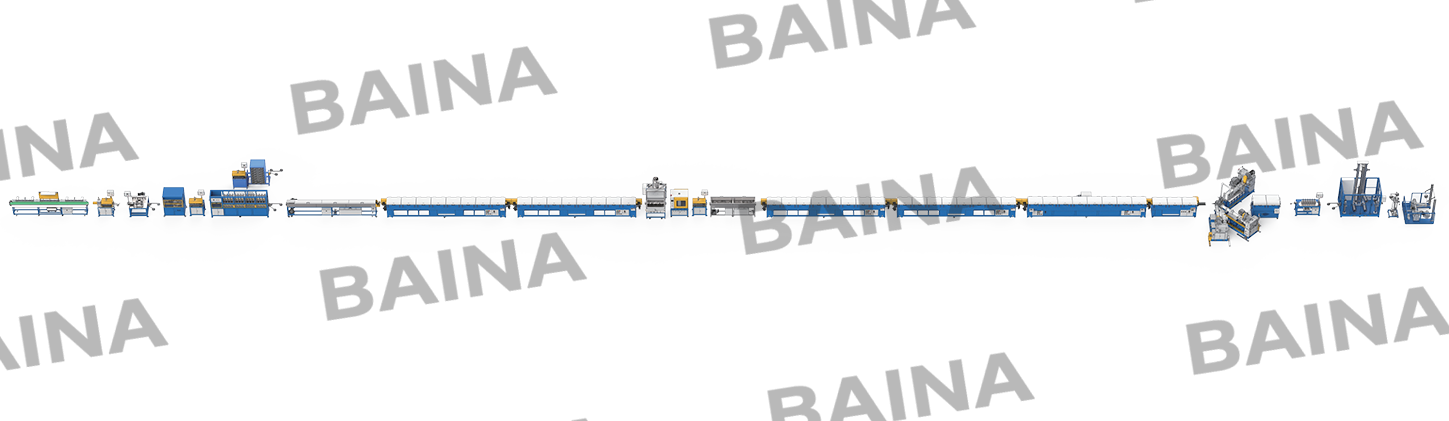
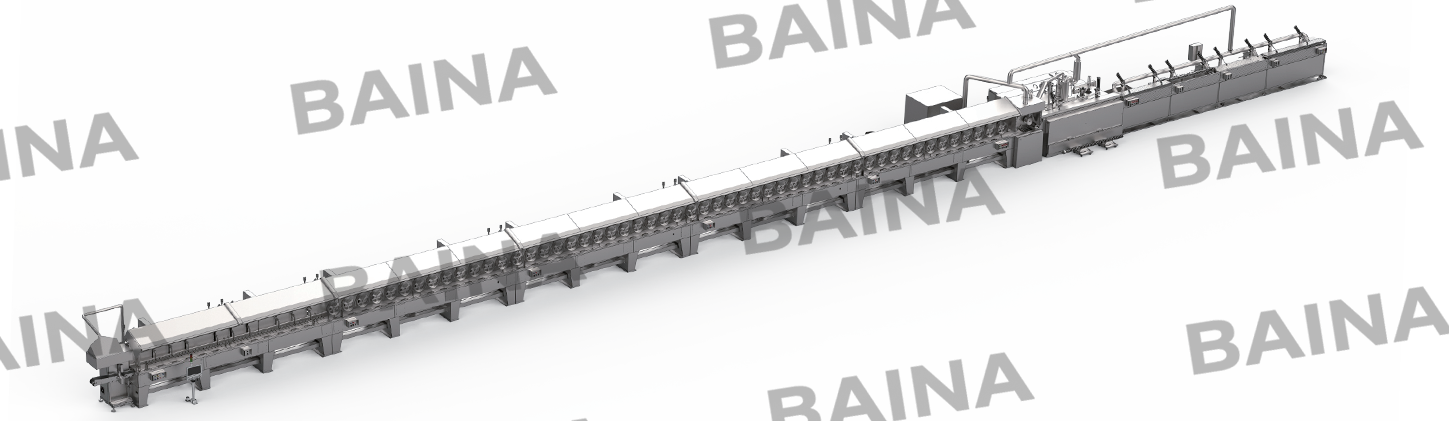
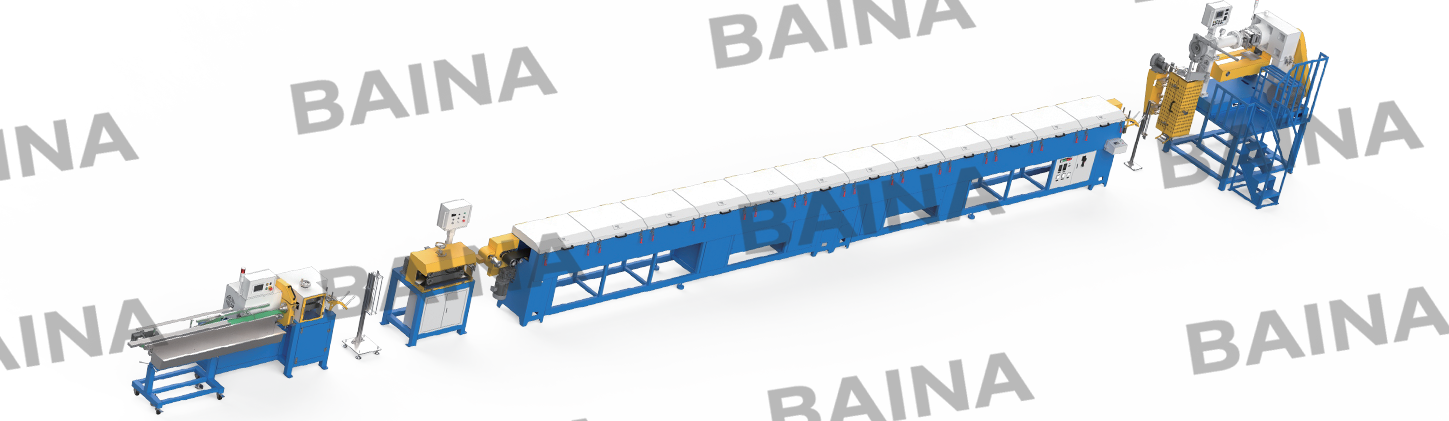
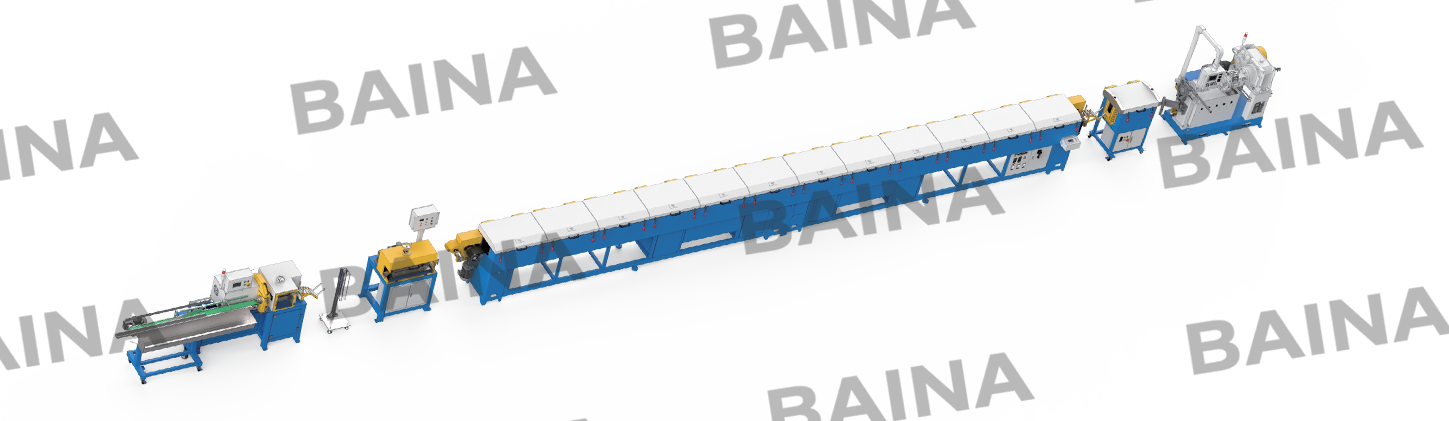
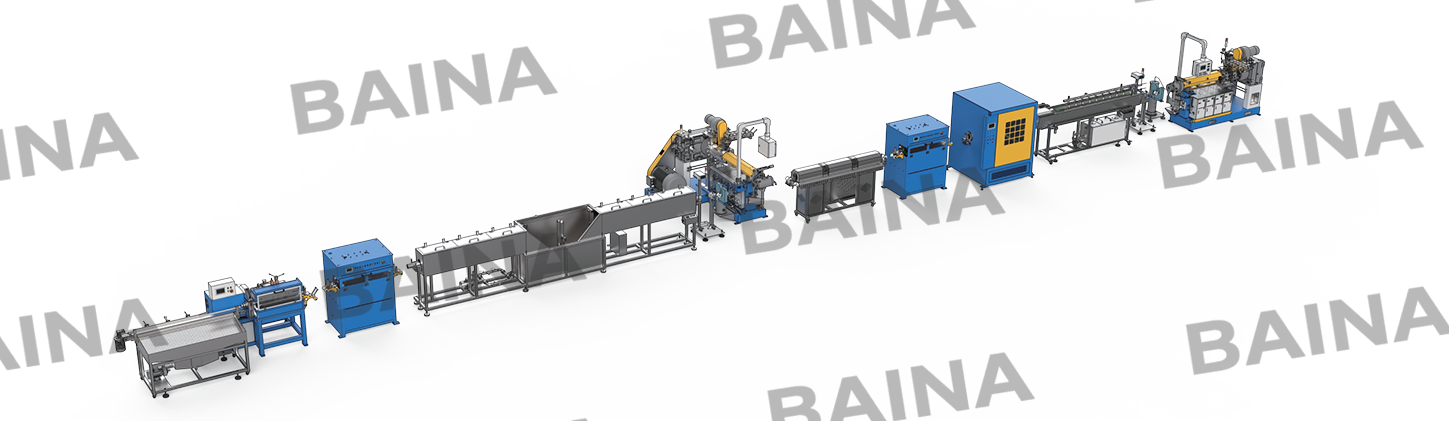
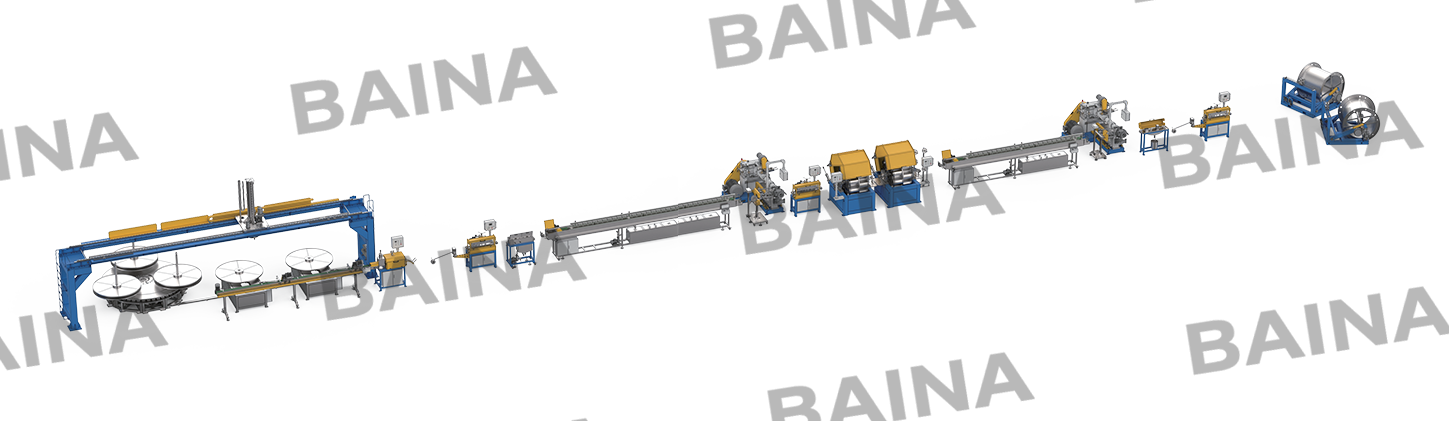
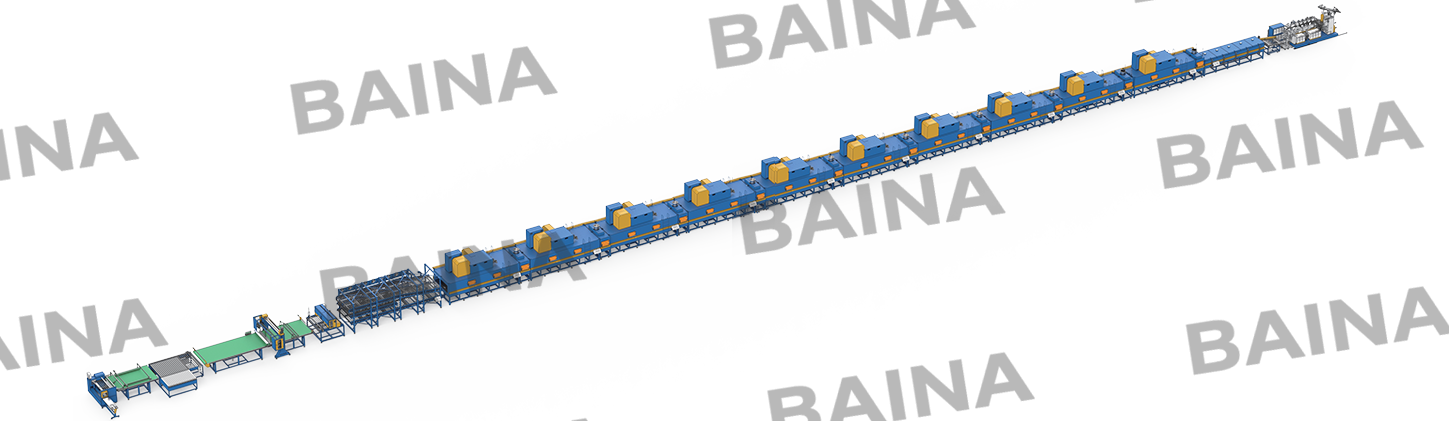
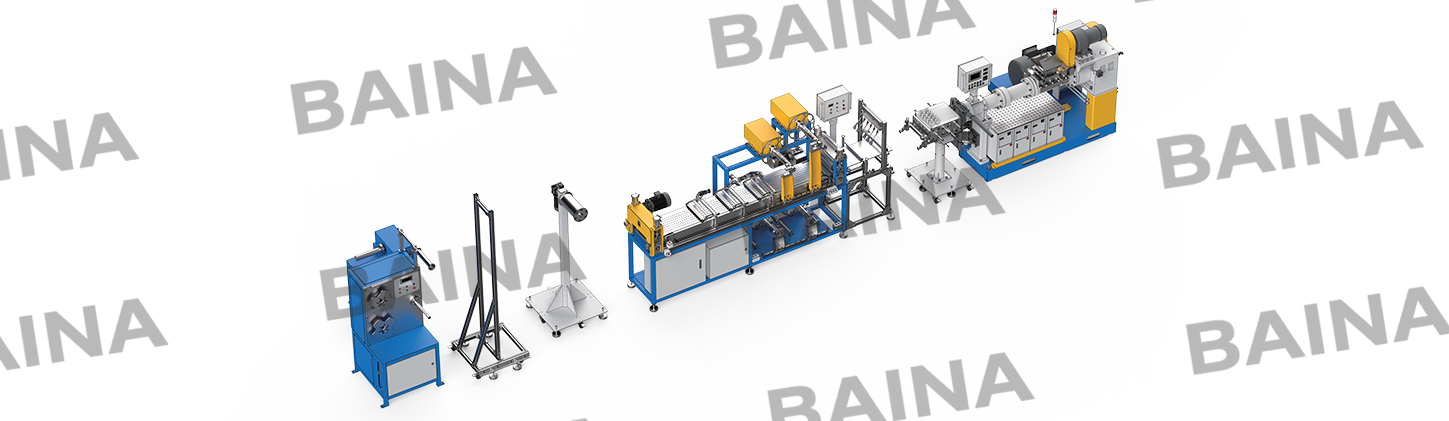
Rubber Hose Production Line: Manufacturing Process, Hose Making Machine Types
The Process of Producing Rubber Products on a Rubber Hose Production Line
Walking through a rubber hose production line reveals a sequence of steps that transforms raw gum rubber into a flexible, reinforced hose capable of holding pressure. The process is not continuous in the way an assembly line moves cars. Instead, it moves in batches through distinct stations.
Compounding and mixing
The line starts at the mixer. Raw rubber—natural, nitrile, EPDM, or silicone, depending on the application—goes into an internal mixer or onto a two-roll mill. Carbon black, sulfur, accelerators, plasticizers, and antidegradants are added in precise ratios. The mix comes out as a slab or strip called a compound.
Extrusion of the tube
The compound feeds into a cold-feed or hot-feed extruder. A screw pushes the rubber through a die that forms the inner tube of the hose. The tube emerges soft and warm, then passes through a cooling trough or a dusting station to prevent sticking. On a rubber hose production line making braided or spiral hoses, this inner tube is the foundation—everything else builds around it.
Reinforcement application
Textile braiding machines or spiral wrapping heads apply the first layer of reinforcement around the uncured tube. Polyester, nylon, aramid, or steel wire—each material changes the hose's pressure rating. A rubber hose production line for hydraulic hoses uses multiple layers of high-tensile steel wire. A line for garden hoses uses a single layer of polyester braid.
Cover extrusion and wrapping
A second extruder applies the outer cover rubber over the reinforcement. The assembly now looks like a finished hose but feels soft and sticky. It is still uncured. Before curing, some lines wrap the hose with a nylon release tape or place it into a lead press. The wrapping compresses the layers together and prevents the cover from distorting during the next step.
Curing under heat and pressure
The wrapped hose moves into an industrial curing oven or a steam autoclave. Temperature reaches 140–160°C. Pressure builds from internal water or from external steam. The sulfur crosslinks the rubber molecules. The hose transforms from a soft, sticky assembly into a tough, elastic finished product. Curing times range from 20 minutes for small-diameter hose to several hours for large hydraulic hose.
Post-curing finishing
After curing, the release tape or lead jacket comes off. The hose gets cut to specified lengths. Ends are cleaned. Printing or branding rolls onto the cover. The final inspection: pressure testing, dimensional checks, and visual examination. Only hoses that pass move to packaging.
The entire rubber hose production line hands off the product from one machine to the next. A bottleneck at any stage—slow curing, a jammed braider, inconsistent extrusion—slows the whole line.
What Are the Main Types of Hose Making Machines?
Hose-making machines fall into distinct categories based on what they do. No single machine produces a finished hose from start to finish. Instead, each machine type handles one phase of the rubber hose production line.
Extruders (pin barrel or smooth barrel)
Extruders push unvulcanized rubber through a die to form the tube or cover. Pin barrel extruders have a grooved barrel that grips the rubber compound and pulls it forward. They work better with sticky compounds like natural rubber or EPDM. Smooth barrel extruders rely on friction between the screw and the barrel wall. They handle low-tack compounds like silicone or fluorocarbon rubber better.
Cold-feed extruders take room-temperature rubber strips. Hot-feed extruders require pre-warmed rubber from a mill. Hot-feed machines produce higher output but need more floor space for the warming mill.
Textile braiders and spiralers
Braiding machines interlace yarn or wire strands around the rubber tube. A typical braider has 24 or 36 carriers, each holding a bobbin of reinforcement material. Half the carriers rotate clockwise. Half rotate counterclockwise. Their paths cross, creating the braid pattern. Spiral wrapping machines lay reinforcement at a fixed angle, then another layer at the opposite angle. Spiral hoses handle higher pressures than braided hoses.
Wire braiding machines (high-pressure hydraulics)
Heavy-duty versions of textile braiders, but with steel wire bobbins. Wire braiding machines run slower than textile braiders because the wire tension is higher. The carriers must be heavier. The machine frame must resist twisting forces. Some hydraulic hose lines use up to six layers of steel wire braid, each applied by a separate braiding machine in sequence.
Curing equipment (ovens and autoclaves)
Industrial curing ovens apply dry heat. Steam autoclaves apply wet heat and external pressure. Lead presses are a third type—the hose gets encased in molten lead, then cured in an oven. The lead transfers heat efficiently and applies uniform external pressure. Environmental regulations have reduced lead press usage, but some specialty rubber hoses still use the method.
Cutting and skiving machines
After curing, cutting machines slice long hoses to the finished length. Skiving machines remove a portion of the outer cover from the ends of hydraulic hoses. This skived section allows the fitting ferrule to grip the reinforcement layer directly. A production line without a skiving machine cannot make crimped hydraulic assemblies.
Comparison of hose-making machine types by hose application
|
Machine type |
Garden hose |
Hydraulic hose |
Food-grade hose |
|
Extruder (tube) |
Cold-feed |
Hot-feed |
Cold-feed with stainless screw |
|
Reinforcement |
Single braider (polyester) |
Multiple wire braiders/spiralers |
Single braider (textile) |
|
Extruder (cover) |
Cold-feed |
Cold-feed |
Cold-feed with clean-room enclosure |
|
Curing method |
Steam autoclave |
Lead press or salt bath |
Dry heat oven |
|
Finishing |
Basic cutter |
Cutter + skiver |
Cutter + end sealing |
The machine types interact. A mismatch in output speeds between the braider and the extruder creates inventory pileups or starves downstream equipment. Well-designed hose production lines match machine capacities within 10–15% of each other.
The Role of Industrial Curing Ovens in the Rubber Manufacturing Process
An industrial curing oven does more than apply heat. It completes the chemical reaction that turns raw rubber into a usable product. Without proper curing, rubber remains soft, sticky, and weak. With correct curing, rubber gains tensile strength, elasticity, and resistance to heat and chemicals.
How vulcanization happens inside the oven
Rubber compounding adds sulfur and accelerators. At room temperature, those chemicals do nothing. Heat the compound to 140–180°C inside an industrial curing oven, and the sulfur atoms form crosslinks between adjacent rubber polymer chains. Those crosslinks act like molecular bridges. They prevent the chains from sliding past each other under stress. The rubber becomes elastic rather than plastic.
Common problems in industrial curing ovens
Temperature overshoot: The oven heats past the setpoint, then cools down. The hose experiences a temperature spike that overcures the outer layer while the inner layer remains undercured.
Poor air circulation: Stagnant zones in the oven allow some hoses to cure faster than others on the same rack.
Moisture contamination: Steam from uncured rubber condenses inside the oven and drips onto curing hoses, leaving marks or blisters on the cover.
Door seal leakage: Heat escapes. The oven cycles more frequently. Energy costs rise. Cure consistency suffers.
-

-
No. 18, Chunhui Est. Rd., Yong’An Ind. Area, Xianju, Taizhou, Zhejiang, ChinaRoom 707, Building 1, Baolong Plaza, Hangzhou Sci-Tech City, Yuhang District, Hangzhou, Zhejiang, China+86-576-87685299
+86-571-89059793+86-576-87685311 - Home Machinery&Solutions About Baina Industry Applications Support Info Contact Us
-
Copyright © 2025 by Zhejiang Baina Rubber & Plastic Equipment Co., Ltd. All Rights Reserved.

Industrial Curing Oven For Sale