English
 中文简体
中文简体 русский

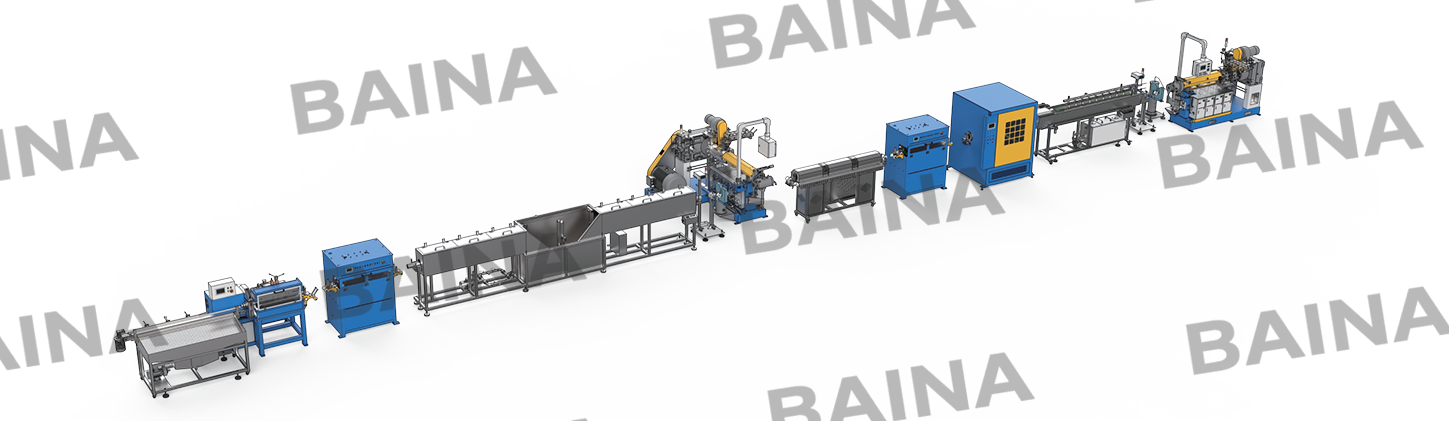
Ф120mm 20D Cold Feed Vacuum Rubber Extruder
Cat:Extruder Series
Motor Power: 110 kWMaximum Output: 700 kg/h
See Details

In the intricate world of industrial manufacturing, rubber curing ovens stand as vital tools that transform raw materials into resilient rubber products. These ovens play a pivotal role in the rubber curing process, ensuring that rubber components achieve the desired properties and durability. However, like any mechanical system, rubber-curing oven equipment is not immune to defects that can hinder production and compromise quality.
1. Uneven Temperature Distribution: Hotspots and Cold Zones
One of the common issues faced by rubber curing ovens is uneven temperature distribution. Hotspots and cold zones can develop within the oven, leading to inconsistent curing of rubber components. This defect can result from improper insulation, malfunctioning heating elements, or poor airflow. Uneven temperature distribution can lead to variations in the final product's properties, compromising its quality and performance.
2. Temperature Fluctuations: Stability Matters
Maintaining a stable and consistent temperature is essential in rubber curing. Temperature fluctuations can occur due to faulty temperature sensors, inaccurate thermostat settings, or inadequate calibration. Fluctuating temperatures can lead to incomplete curing or overcuring, affecting the physical properties and durability of the rubber products.
3. Poor Air Circulation: Inadequate Curing Environment
Proper air circulation is crucial to ensure that the entire curing chamber receives uniform heat. Insufficient airflow can cause rubber components to cure unevenly or even result in incomplete curing. This defect can arise from blocked air vents, malfunctioning fans, or improper oven design. Poor air circulation can significantly impact the quality and integrity of the cured rubber products.
4. Insufficient Ventilation: Harmful Fumes and Odors
Rubber curing involves the release of fumes and odors that can be hazardous if not properly ventilated. Inadequate ventilation systems can lead to the accumulation of harmful gases, affecting the health and safety of workers in the vicinity. To mitigate this defect, rubber curing oven equipment should incorporate effective ventilation solutions that prevent the buildup of noxious fumes.
5. Door Seal Issues: Escaping Heat and Energy Loss
A properly sealed oven door is crucial for maintaining temperature stability and preventing energy loss. Defective door seals can lead to heat escaping from the oven, resulting in energy inefficiency and longer curing times. Additionally, escaping heat can affect the overall performance of the oven and lead to inconsistent curing results.
6. Control System Malfunctions: Accurate Settings
The control system of a rubber curing oven is responsible for regulating temperature, time, and other critical parameters. Malfunctions in the control system, such as faulty sensors, malfunctioning timers, or inaccurate temperature readings, can disrupt the curing process. An unreliable control system can lead to production delays, wasted materials, and compromised product quality.
7. Maintenance Neglect: Downstream Consequences
Regular maintenance is essential to prevent defects and ensure the optimal performance of rubber curing oven equipment. Neglected maintenance can lead to issues such as a buildup of debris, worn-out components, and decreased efficiency. As a result, equipment defects can cascade into more significant problems, leading to production disruptions and increased operational costs.
While rubber curing oven equipment plays a critical role in the manufacturing process, it is not immune to defects that can affect product quality, efficiency, and safety. Addressing these potential pitfalls requires a proactive approach that encompasses regular maintenance, proper calibration, and diligent troubleshooting. By identifying and rectifying defects promptly, manufacturers can ensure that their rubber curing oven equipment functions optimally, resulting in consistent, high-quality rubber products that meet the demands of various industries. As industries continue to innovate and push the boundaries of rubber applications, vigilant attention to equipment integrity will remain paramount on the journey toward excellence.
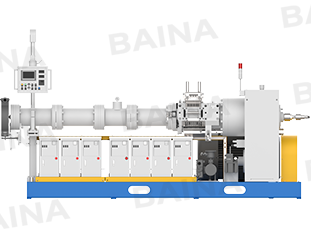
Motor Power: 110 kWMaximum Output: 700 kg/h
See Details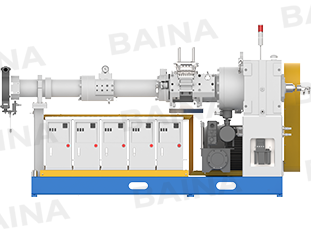
Motor Power: 55 kWMaximum Output: 320 kg/h
See Details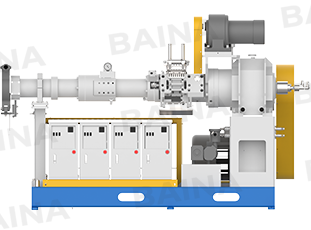
Motor Power: 37 kWMaximum Output: 150 kg/h
See Details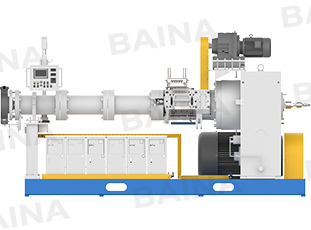
Motor Power: 160 kWMaximum Output: 1000 kg/h
See Details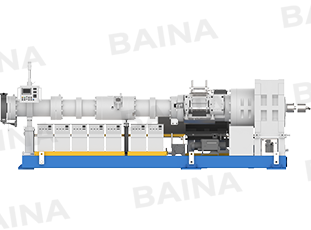
Motor Power: 315 kWMaximum Output: 2,000-2,400 kg/h
See DetailsTraditional sealing profiles usually rely on one material to complete multiple functions. However, m......
READ MOREA common question among window and door manufacturers is whether one rubber seal profile can be used......
READ MORESilicone rubber extrusions are widely used in automotive sealing systems, medical tubing, electrical......
READ MORE

Rubber Extrusion Machine and Equipment