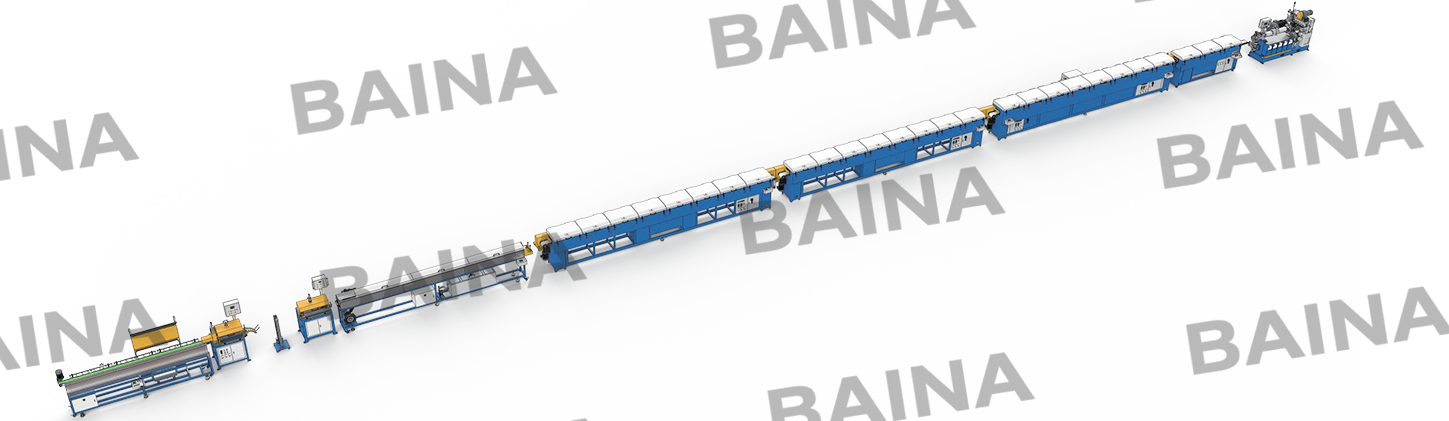
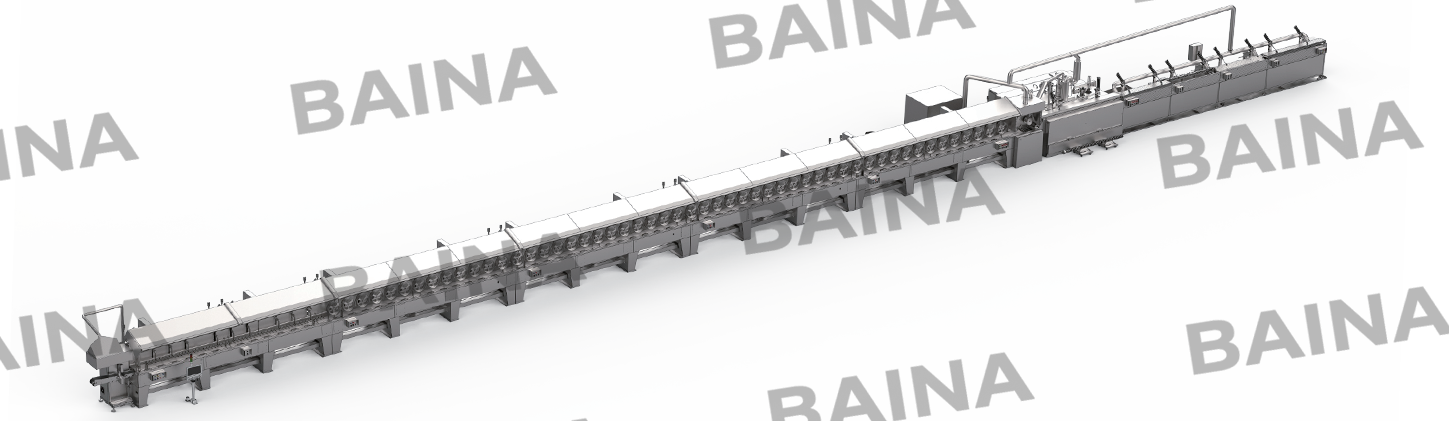
Ф120mm 16D Cold Feed Rubber Extruder
Cat:Extruder Series
Motor Power: 110 kWMaximum Output:700 kg/h
See Details

Press capacity is a critical consideration in rubber molding equipment procurement. An undersized machine may struggle to maintain sufficient clamping force, while excessive capacity can increase equipment investment, energy consumption, and installation requirements. Understanding how to calculate the required specifications helps manufacturers make more informed purchasing decisions. A rubber vulcanizing press machine or curing system should be evaluated according to the actual production process, mold dimensions, and rubber compound characteristics.
At Baina, we consider several technical factors before discussing equipment configuration with customers. Tonnage is important, but platen dimensions, operating temperature, mold height, and production cycle also influence whether a machine fits a particular manufacturing project.
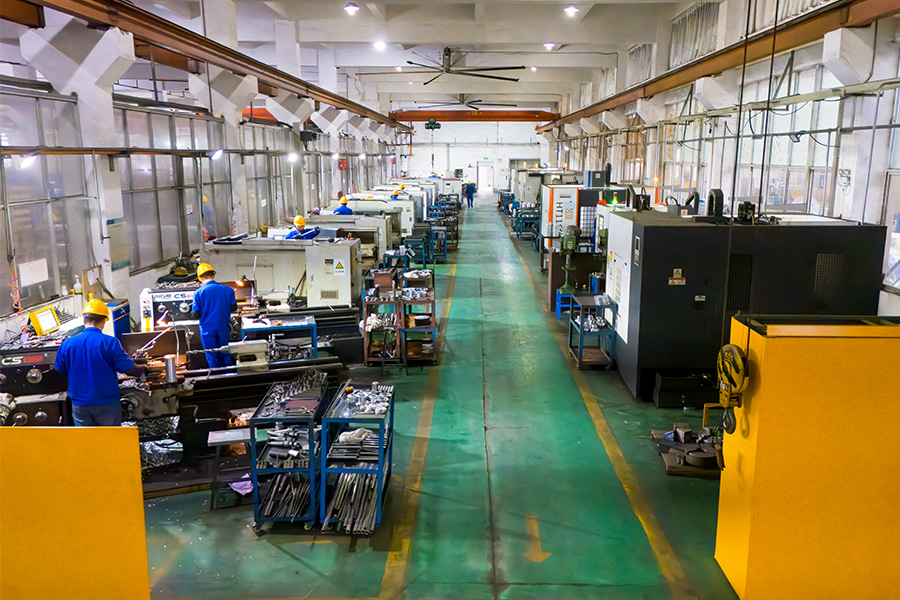
Press tonnage should be calculated from the actual mold requirements rather than estimated from the machine's appearance or general production capacity. The following sections explain how manufacturers can evaluate the main specifications before requesting a quotation.
Clamping force determines how effectively a press keeps the mold closed during vulcanization. Insufficient force may cause excessive flash, material leakage, and dimensional inconsistencies.
A practical starting point is to calculate the projected mold area and multiply it by the required molding pressure.
Actual pressure requirements depend on the rubber formulation, molding method, cavity design, and flash arrangement. The calculation should also include all cavities and relevant projected runner or flash areas rather than considering only a single finished component.
Clamping tonnage alone cannot determine whether a rubber press is suitable. The mold must also fit within the available working area, with sufficient space for installation, positioning, and removal.
Our equipment evaluation considers four important dimensional specifications:
Should accommodate the complete mold footprint and mounting requirements.
Determines the available vertical space between the platens for mold installation and product removal.
Needs to provide sufficient clearance for the intended loading and unloading method.
Helps maintain consistent pressure distribution across the mold surface.
Multi-cavity molds require additional attention because uneven loading can affect molding consistency. A suitable platen structure and stable guiding system help maintain reliable operation during repeated production cycles.
Different rubber materials have different curing characteristics. EPDM, NBR, natural rubber, and silicone compounds may require different temperature ranges and curing durations.
The heating system should therefore match the formulation and mold design. Common options include electric heating elements, steam heating, and thermal oil circulation.
Provides adjustable temperature control and is suitable for various press configurations.
Can be appropriate for facilities with suitable steam supply infrastructure.
Supports controlled heat transfer in equipment designed for circulating thermal fluids.
| Heating Method | Operating Principle | Key Evaluation |
| Electric Heating | Uses electric heating elements. | Temperature adjustment and electrical supply requirements. |
| Steam Heating | Transfers heat through steam. | Steam availability and pressure conditions. |
| Thermal Oil Heating | Circulates heated thermal fluid. | Heat transfer control and circulation system requirements. |
Temperature uniformity across the platen is particularly important. Uneven heating may produce differences in curing conditions between mold cavities. We recommend evaluating temperature control accuracy and heat distribution at the actual operating temperature rather than relying solely on the heater's rated power.
Required output also influences press configuration. A manufacturer producing small batches of customized rubber components may have different equipment requirements from a factory handling continuous orders of standardized seals or industrial parts.
A multi-daylight press may support several mold levels within a single machine, while a single-daylight configuration may offer more convenient access for certain mold designs. The appropriate arrangement depends on product thickness, handling requirements, and factory workflow.
| Evaluation Item | Single-Daylight Press | Multi-Daylight Press |
| Mold Arrangement | One primary working opening. | Multiple working levels. |
| Production Workflow | Suitable for individual mold handling arrangements. | Can accommodate multiple mold levels. |
| Space Planning | Requires consideration of platen area and opening height. | Requires consideration of total machine height and mold access. |
| Selection Factor | Product dimensions and loading requirements. | Production arrangement and mold configuration. |
Manufacturers should evaluate the complete production cycle rather than focusing only on vulcanization time. Loading, heating, curing, opening, and unloading all influence the actual output of a press.
Choosing equipment solely according to the largest available tonnage is not an effective purchasing strategy. Excessive clamping capacity can increase initial costs, hydraulic system requirements, and energy consumption without improving the finished product.
On the other hand, insufficient capacity may cause mold opening under pressure, excessive flash, and inconsistent product dimensions.
May not provide the required clamping force, potentially affecting mold closure and product consistency during vulcanization.
May increase investment, installation requirements, and operating costs without providing practical production benefits.
At Baina, we recommend reviewing the following information before confirming machine specifications:
Providing this information helps our team evaluate the relationship between machine tonnage, mold dimensions, heating configuration, and actual production conditions.
At Baina, we approach rubber processing equipment configuration from the customer's manufacturing requirements. Different products may need different combinations of extrusion, curing, and molding equipment. A continuous rubber extrusion and curing line, for example, has different operating requirements from a hydraulic compression vulcanizing press.
Our rubber production line solutions consider material characteristics, product dimensions, processing methods, and expected output. Customers can provide product drawings, existing mold specifications, and compound information so our team can discuss suitable equipment arrangements.
| Technical Information | Evaluation Purpose |
| Mold projected area | Initial clamping force calculation. |
| Mold length and width | Platen size compatibility. |
| Mold height | Daylight opening and stroke requirements. |
| Rubber compound type | Temperature and curing condition evaluation. |
| Production quantity | Cycle arrangement and equipment configuration. |
| Factory installation space | Machine layout and installation planning. |
Determining the required press capacity involves more than checking the nominal tonnage. Projected mold area, molding pressure, platen dimensions, heating performance, and production cycle all influence equipment suitability.
At Baina, we focus on matching rubber processing equipment with practical manufacturing requirements. Contact our team with your mold dimensions and rubber product specifications to discuss a suitable vulcanizing and curing equipment configuration for your project.
Share your mold dimensions, rubber material, curing requirements, and expected production capacity with Baina. Our team can discuss the machine specifications and production equipment arrangement for your project.
Contact BainaPress tonnage can be estimated by multiplying the total projected mold area by the required molding pressure and converting the result into tonnes. The calculation should include all cavities and relevant mold flow areas, followed by an appropriate engineering allowance.
Not necessarily. Platen dimensions determine the available mold installation area, while tonnage determines the clamping force. Both specifications need to match the mold design and required molding pressure.
Electric, steam, and thermal oil heating are common options. The appropriate method depends on curing temperature, heating uniformity, factory utilities, and the characteristics of the rubber compound.
Yes, provided that the press supports the required temperature range, mold configurations, and processing conditions. Different formulations may require separate curing programs and appropriate mold preparation.
Prepare the mold dimensions, projected area, rubber material, required curing temperature, target output, and available factory space. These details help our team evaluate the required clamping force, platen size, heating system, and machine configuration.
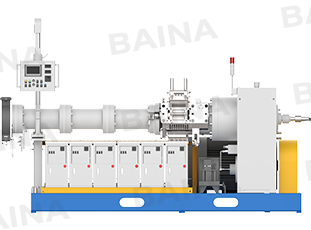
Motor Power: 110 kWMaximum Output:700 kg/h
See Details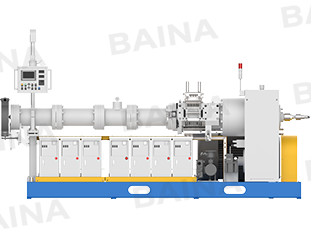
Motor Power: 110 kWMaximum Output: 700 kg/h
See Details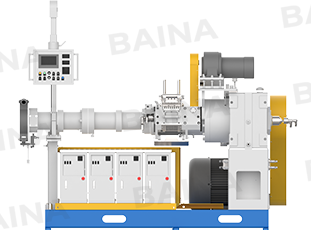
Motor Power: 55 kWMaximum Output: 320 kg/h
See Details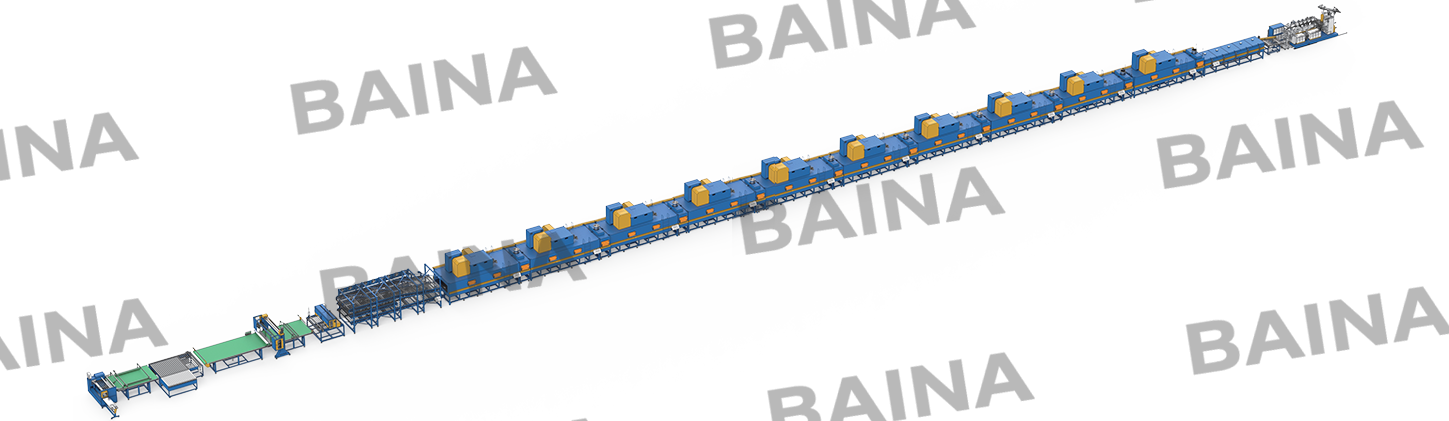
1. Core Control System Advantages: Utilizes Siemens motors, frequency converters, and PLCs paired wi...
See DetailsPress capacity is a critical consideration in rubber molding equipment procurement. An undersized......
READ MOREBuilding a rubber hose manufacturing facility involves more than purchasing an extrusion machine.......
READ MOREDimensional consistency is a key requirement in EPDM rubber profile manufacturing. Automotive seal......
READ MORE

Rubber Extrusion Machine and Equipment