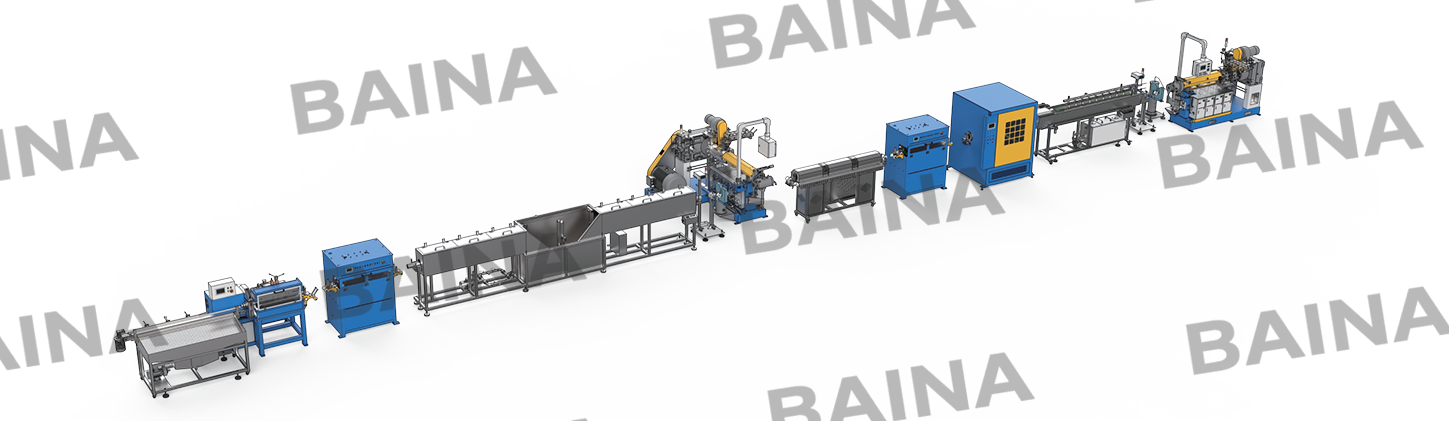
Ф90mm 16D Cold Feed Rubber Extruder
Cat:Extruder Series
Motor Power: 55 kWMaximum Output: 320 kg/h
See Details
The creation of a rubber vulcanizing machine is a complex and meticulous process, representing a significant undertaking in industrial manufacturing. This machinery is fundamental to the production of countless rubber goods, from automotive tires to medical devices, by transforming raw, pliable polymer compounds into durable, resilient materials through the application of heat and pressure. The assembly of a rubber vulcanizing machine itself is a journey through various engineering disciplines, requiring precision, rigorous quality control, and a systematic integration of components. The production steps, while varying slightly by manufacturer and machine type, generally follow a coherent and structured pathway from initial design to final testing.
The entire process is initiated with the crucial stages of design and engineering. This phase involves translating operational requirements into detailed blueprints and 3D computer models. Engineers must calculate the necessary pressures, temperatures, and clamping forces the machine will need to exert, which directly influences the structural design. The choice of materials for critical components like the platens, which apply heat and pressure to the mold, is determined here. Factors such as thermal expansion, mechanical strength, and resistance to wear are carefully considered. This foundational stage ensures that every subsequent production step has a clear guide to follow, establishing the performance parameters and safety standards for the finished rubber vulcanizing machine.
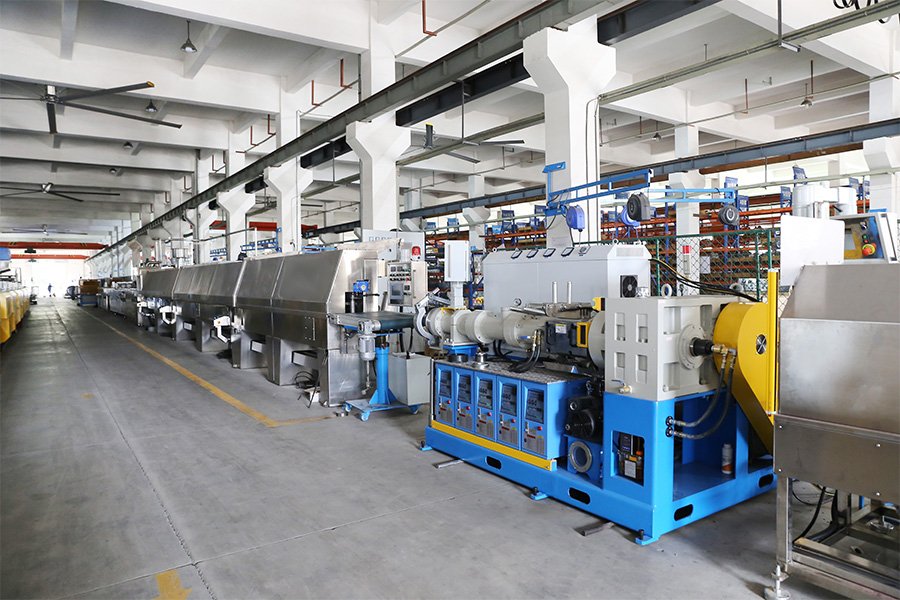
Following the design freeze, the procurement and fabrication of core components begins. This step is distributed across various specialized workshops. Heavy-duty steel plates and castings are sourced for the main frame and the press structure, which must withstand immense cyclic loads. Simultaneously, the machining of the platens takes place. These massive, flat plates are milled and ground to a high degree of flatness and smoothness to ensure even pressure and heat distribution during the vulcanization process. In another facility, the hydraulic system components—such as cylinders, pumps, and valves—are manufactured or sourced from specialized suppliers. The heart of the heating system, whether it be for steam or electric cartridge heaters, is also prepared during this phase. The quality of these individual parts is paramount to the longevity and reliability of the final rubber vulcanizing machine.
The next significant stage is the sub-assembly, where smaller systems are built independently before being integrated into the main unit. The hydraulic power unit is assembled, comprising the reservoir, pump, motor, and filtration system. This unit is tested independently for leaks and pressure stability. The electrical control panel is another critical sub-assembly, where programmable logic controllers (PLCs), temperature controllers, relays, and wiring are mounted and pre-programmed. The heating platens are often assembled with their heating elements and temperature sensors, and their thermal performance is verified. This modular approach allows for more focused quality checks and simplifies troubleshooting later in the build process. It is during these sub-assemblies that the sophisticated control system of a modern rubber vulcanizing machine begins to take shape.
The central activity in the production workflow is the main assembly. This typically occurs on the factory floor, where the massive base frame is positioned. The main hydraulic cylinder is carefully installed into the frame, followed by the meticulous alignment and mounting of the moving and fixed platens. Ensuring the parallel alignment of these platens is a critical task, as misalignment can defective rubber products and premature machine wear. The pre-assembled hydraulic power unit and electrical control panel are then connected to the main structure. Piping for hydraulic fluid and wiring for power and control signals are meticulously routed and secured. The physical form of the rubber vulcanizing machine becomes fully apparent at this juncture.
Once the main assembly is complete, the machine enters the critical validation phase: integration, testing, and commissioning. This is not merely a final inspection but a comprehensive process of awakening the system. Power is applied, and the control system is brought online. The hydraulic system is cycled to check for leaks and to ensure the press opens and closes smoothly and with the required force. The heating system is activated, and the platens are heated to their operational temperatures. Engineers monitor the heat-up time and temperature uniformity across the platen surfaces, a key performance indicator for a rubber vulcanizing machine. Functional safety tests, including emergency stop operations and door interlock checks, are rigorously performed to ensure operator safety.
The final step before preparation for shipment involves a production simulation. A test mold is often loaded, and the machine is put through a series of automatic cycles mimicking real-world production conditions. This demonstrates the stability and repeatability of the cycle times, pressures, and temperatures. Data from these test runs is collected and analyzed to verify that the machine performs in accordance with its design specifications. Any minor adjustments to software parameters or mechanical components are made at this stage. After successful testing, the machine is thoroughly cleaned, and exposed surfaces are treated with protective coatings to prevent corrosion during transit.
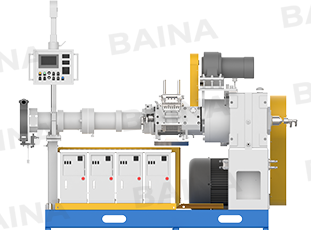
Motor Power: 55 kWMaximum Output: 320 kg/h
See Details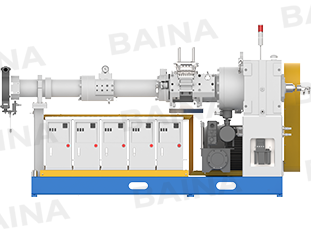
Motor Power: 55 kWMaximum Output: 320 kg/h
See Details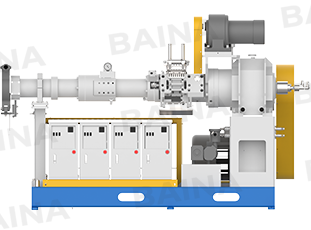
Motor Power: 37 kWMaximum Output: 150 kg/h
See Details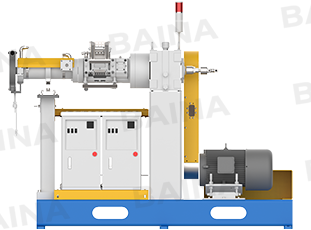
Motor Power: 7.5 kWMaximum Output: 50 kg/h
See Details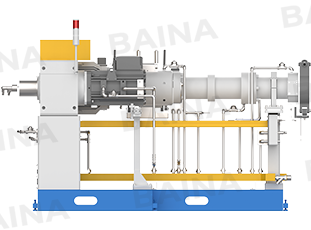
Motor Power: 45 kWMaximum Output: 280 kg/h
See DetailsSilicone profiles come in many forms, including sealing strips, flexible tubes, gaskets, and custom-......
READ MORERubber hose design is often discussed in terms of inner diameter, outer diameter, and wall thickness......
READ MOREA rubber profile can leave an extrusion die with the correct shape and still change during curing. T......
READ MORE

Rubber Extrusion Machine and Equipment