Ф120mm 16D Cold Feed Rubber Extruder
Cat:Extruder Series
Motor Power: 110 kWMaximum Output:700 kg/h
See Details

Fuel hoses are critical components in automotive and industrial fuel delivery systems. They must transfer fuel safely while resisting chemical exposure, pressure changes, temperature variations, and long-term aging. The manufacturing process directly influences whether a fuel hose can maintain stable performance throughout its service life.
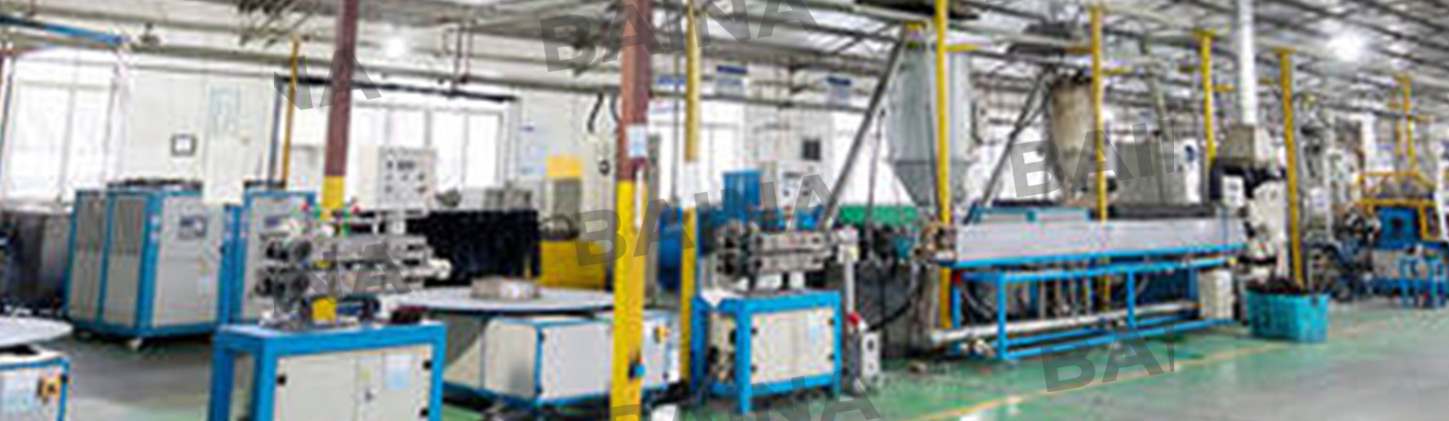
Among different production methods, extrusion technology plays a key role in determining hose structure, dimensional accuracy, and material consistency. A modern rubber fuel hose extrusion machine combines precise material feeding, controlled extrusion pressure, temperature management, and multi-layer processing to create hoses that meet demanding application requirements. Rubber extrusion is widely used for producing continuous hose products because it can form uniform profiles with controlled dimensions.
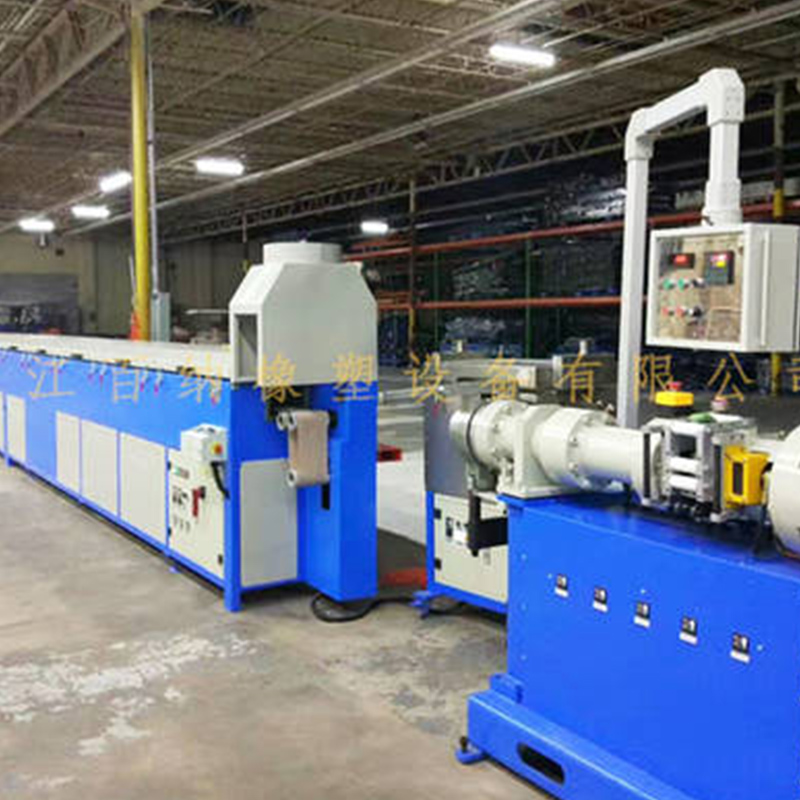
A fuel hose must maintain accurate inner diameter, outer diameter, and wall thickness to ensure stable fuel flow and reliable connection with fittings. During extrusion, rubber compound is pushed through a specially designed die that shapes the hose profile.
Small variations during this process may influence hose performance. Uneven wall thickness can create weak areas, while inconsistent inner diameter may affect flow resistance and installation accuracy.
Advanced extrusion systems often integrate thickness measurement and automatic adjustment functions to maintain consistent product quality during long production runs.
Fuel hoses commonly use rubber materials such as NBR, HNBR, EPDM, and specialized compounds because each material provides different properties. The extrusion process must handle these compounds carefully to preserve their chemical resistance and mechanical characteristics.
For fuel applications, the inner layer often requires strong resistance against fuel penetration, while the outer layer needs protection against environmental conditions such as heat, abrasion, and external impact. Multi-layer extrusion technology allows manufacturers to combine different rubber materials into one hose structure.
| Rubber Material | Main Characteristics | Typical Fuel Hose Applications |
| NBR | Good resistance to oils and fuels | Fuel delivery lines and automotive hoses |
| HNBR | Improved heat and chemical resistance | High-temperature fuel systems |
| EPDM | Strong weather and ozone resistance | External automotive hose applications |
| Specialty Rubber Compounds | Designed for specific fuel compatibility requirements | Advanced fuel transfer systems |
Modern fuel systems often require hoses with multiple performance functions. A single rubber material may not provide all necessary properties, so manufacturers use multi-layer extrusion technology to combine different materials.
A typical fuel hose structure may include an inner fuel-resistant layer, reinforcement layer, and protective outer layer. The extrusion system must precisely control the thickness and bonding between each layer.
Some fuel hose manufacturing processes use simultaneous extrusion and curing methods to create multi-layer structures with improved fuel impermeability and resistance to deformation.
Rubber compounds are sensitive to processing temperatures. Excessive heat may affect material properties, while insufficient temperature control may cause poor flow and uneven extrusion.
A Rubber Fuel Hose Extrusion Machine usually includes several temperature control zones along the barrel and extrusion head. These systems regulate the rubber compound condition during processing.
Stable temperature management supports smooth material flow and reduces variations in hose appearance and structure.
Fuel hoses may experience pressure fluctuations caused by engine operation, fuel circulation, and environmental changes. Reinforcement technology helps improve resistance against expansion and deformation.
Depending on the application, reinforcement materials may include textile fibers, wire layers, or other strengthening structures. The extrusion line must coordinate with reinforcement equipment to ensure proper positioning inside the hose wall.
| Reinforcement Type | Function |
| Textile Fiber | Improves flexibility and pressure resistance |
| Wire Reinforcement | Provides higher structural strength |
| Multi-Layer Rubber Design | Combines fuel resistance and mechanical protection |
Before investing in extrusion equipment, manufacturers usually evaluate technical parameters based on hose design and production requirements.
| Parameter | Purpose |
| Screw Diameter | Determines material processing capacity and output range |
| Screw L/D Ratio | Affects plasticizing and material mixing performance |
| Extrusion Speed | Controls production output and process stability |
| Temperature Control Zones | Maintains suitable rubber processing conditions |
| Die Head Design | Controls hose shape and dimensional accuracy |
For automotive hose production, extrusion equipment is often integrated with reinforcement units, curing systems, cooling devices, and inspection equipment to create a continuous manufacturing process.
Automation technology has changed the way fuel hoses are manufactured. Modern extrusion systems can monitor production data, adjust operating parameters, and reduce variations between batches.
These functions help manufacturers maintain stable production conditions and respond quickly to different hose specifications.
Fuel system designs continue to develop with changing vehicle technologies and stricter performance requirements. Rubber hose manufacturers need equipment that can process advanced materials and produce more complex hose structures.
Future extrusion systems are expected to focus on improved digital monitoring, flexible production capability, and better compatibility with new rubber compounds. These developments will support the production of fuel hoses with enhanced durability and specialized performance characteristics.
Extrusion technology has a direct influence on fuel hose performance by controlling material distribution, dimensional accuracy, layer structure, and processing stability. A well-designed Rubber Fuel Hose Extrusion Machine provides the foundation for producing hoses that meet requirements for fuel resistance, pressure capability, and long-term reliability.
As fuel systems become more advanced, extrusion equipment will continue to evolve with improved automation, precise control, and flexible manufacturing solutions. The connection between extrusion technology and hose performance makes this process an essential part of modern rubber product manufacturing.
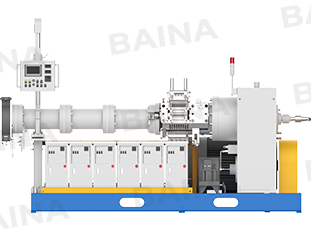
Motor Power: 110 kWMaximum Output:700 kg/h
See Details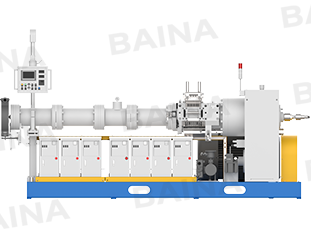
Motor Power: 110 kWMaximum Output: 700 kg/h
See Details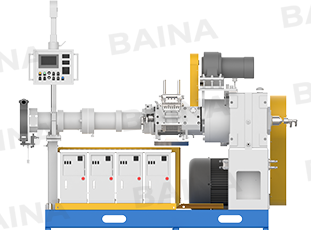
Motor Power: 55 kWMaximum Output: 320 kg/h
See Details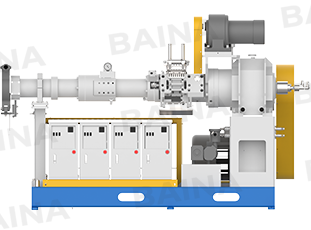
Motor Power: 37 kWMaximum Output: 150 kg/h
See Details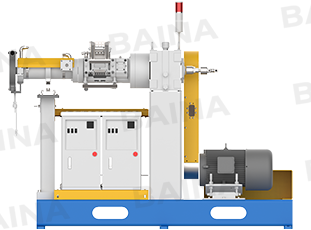
Motor Power: 7.5 kWMaximum Output: 50 kg/h
See DetailsSilicone profiles come in many forms, including sealing strips, flexible tubes, gaskets, and custom-......
READ MORERubber hose design is often discussed in terms of inner diameter, outer diameter, and wall thickness......
READ MOREA rubber profile can leave an extrusion die with the correct shape and still change during curing. T......
READ MORE

Rubber Extrusion Machine and Equipment