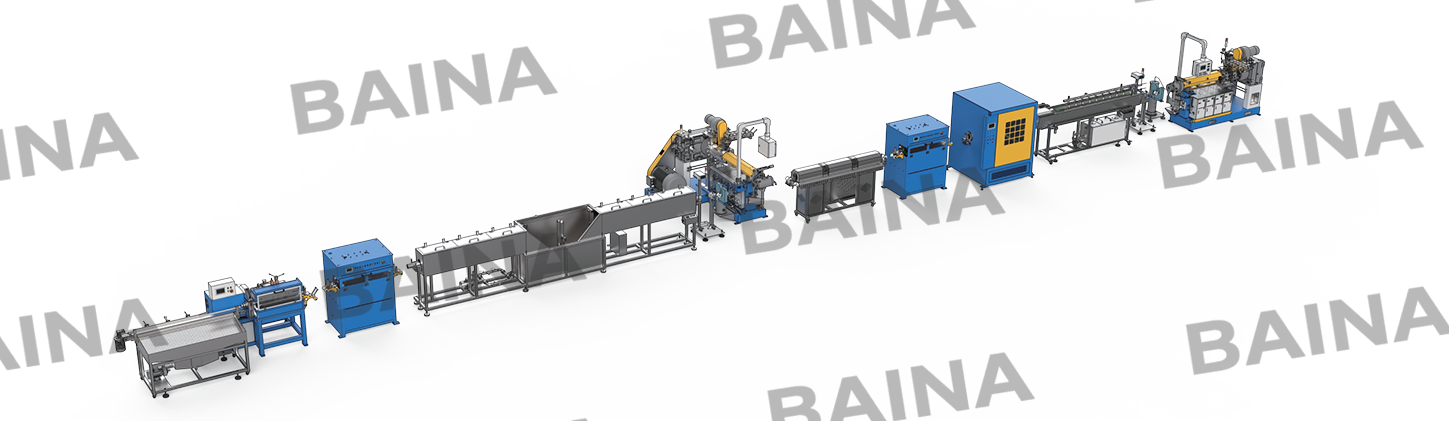
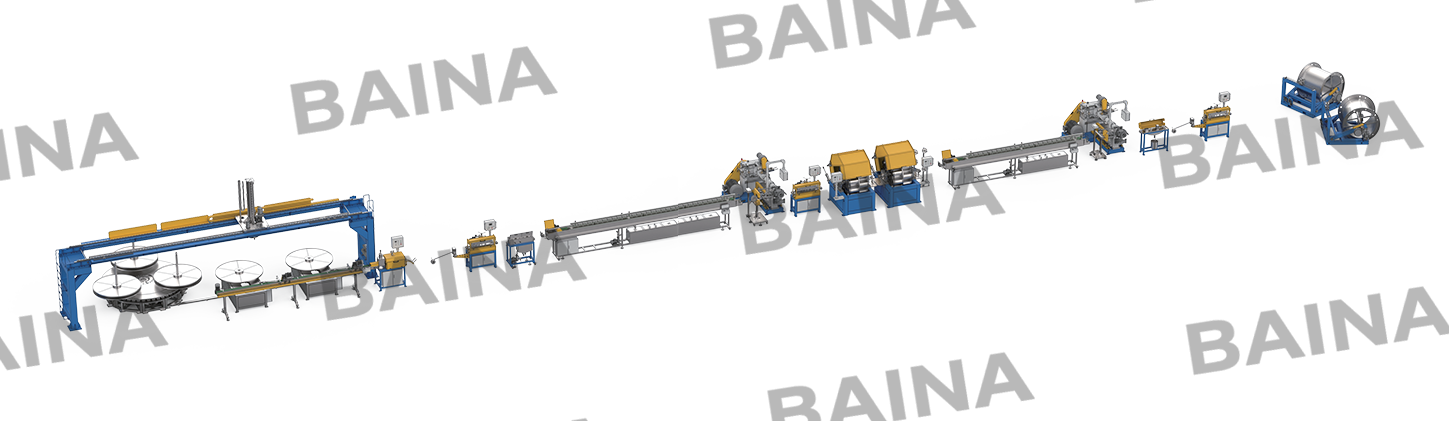
Ф90mm 20D Cold Feed Vacuum Rubber Extruder
Cat:Extruder Series
Motor Power: 55 kWMaximum Output: 320 kg/h
See Details

Silicone extrusion may look straightforward from the outside: a rubber compound enters the extruder, passes through the screw and die, and emerges as a tube, strip, seal, or profile. Yet the screw geometry has a direct influence on how the material moves through the barrel. Screw diameter, flight depth, compression ratio, pitch, cooling capacity, and length-to-diameter ratio can all affect pressure stability and the condition of the silicone compound before it reaches the die.
This is why two machines processing the same silicone material can produce noticeably different results. A properly configured Cold Feed Silicone Rubber Extruder needs to balance material conveying, pressure generation, heat control, and output stability rather than simply increasing screw speed.
Screw geometry determines how silicone rubber is transported and compressed. Several parameters deserve attention during equipment evaluation.
Published machine specifications show considerable variation. Some silicone extruders use L/D ratios around 12:1, while other equipment is offered with 16:1 or 20:1 configurations. This variation reflects different machine designs and application requirements rather than a single universal specification.
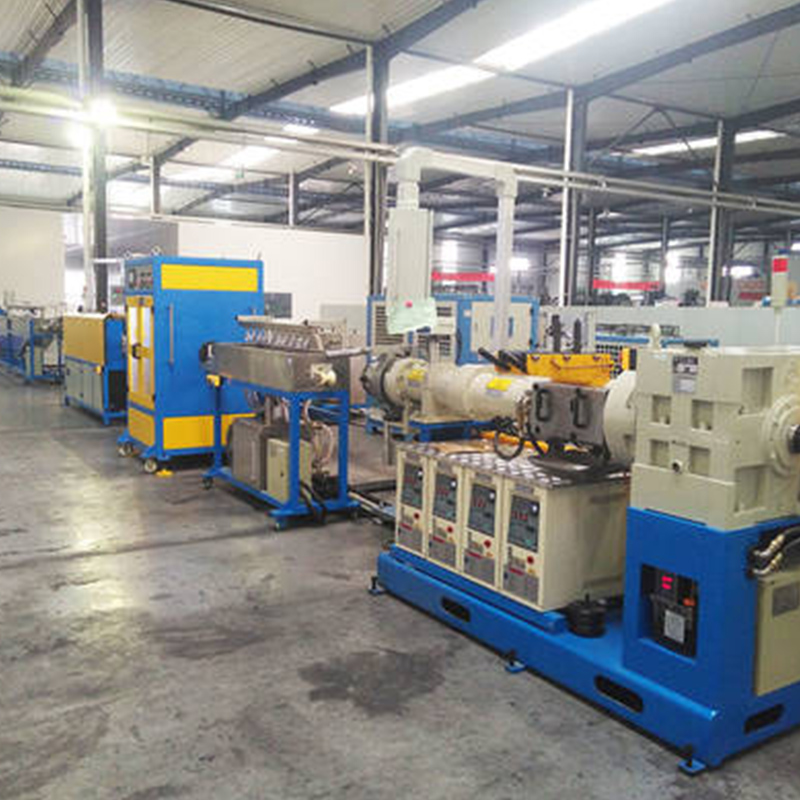
The L/D ratio is one of the easiest specifications to compare between extrusion machines, but it should not be considered separately from screw geometry. A longer screw provides more space for conveying and pressure development, while the actual effect depends on flight design and the characteristics of the silicone compound.
| Parameter | Example Range | Possible Process Influence |
| Screw diameter | 50–150 mm | Throughput and application range |
| L/D ratio | 12:1–20:1 | Material conveying and output consistency |
| Screw speed | Up to about 45–70 rpm on some models | Output rate and shear conditions |
| Compression ratio | About 1:1.5–1:2 in some silicone screw designs | Pressure and shear behavior |
These figures are examples rather than fixed industry requirements. Commercial machines show configurations such as 50 mm screws with a 12:1 L/D ratio and larger 75–150 mm screws with 16:1 or 20:1 designs.
Silicone rubber is sensitive to processing conditions, particularly the heat generated through mechanical shear. A screw that creates excessive friction can raise compound temperature and narrow the available processing window.
Silicone extrusion references commonly describe relatively deep screw flights and controlled compression as useful approaches for stable material transport. Cooling around the screw and barrel also helps manage heat generated during operation. One technical reference describes silicone screw designs using approximately 10:1–12:1 L/D ratios and compression ratios around 1:1.5–1:2.
The answer becomes more noticeable across different product shapes. A silicone tube, sealing strip, cable coating, and complex profile may require different combinations of screw, die, and downstream settings.
| Silicone Product | Important Considerations | Related Equipment Focus |
| Silicone tubes | Wall thickness and inner diameter | Screw + mandrel + die |
| Sealing strips | Profile dimensions and surface finish | Screw + profile die |
| Silicone cable coating | Coating thickness and concentricity | Screw + crosshead die |
| Complex profiles | Cross-section stability | Screw + customized tooling |
Commercial cold-feed machines are available for products such as single-wall hoses, composite hoses, braided hoses, profiled strips, and door or window sealing strips. This illustrates why screw configuration needs to match the intended product rather than being evaluated only by machine size.
Screw diameter provides useful information, but it does not tell the complete story. A practical equipment comparison should examine several specifications together:
Some commercial models, for example, combine screw diameters from 75 to 150 mm with different L/D configurations and adjustable screw speeds, giving users different output ranges for different production requirements.
A well-designed screw cannot compensate for unsuitable tooling, unstable feeding, poor temperature control, or an incorrect vulcanization setup. Silicone extrusion quality comes from the interaction of the screw, barrel, die, cooling system, feeding mechanism, and downstream curing equipment.
For buyers comparing a Cold Feed Silicone Rubber Extruder, screw geometry deserves a place near the top of the technical checklist. Rather than judging a machine by diameter or rated output alone, examining L/D ratio, compression design, screw speed, cooling arrangement, and the intended silicone profile gives a much clearer picture of how the equipment may perform in a real extrusion process.
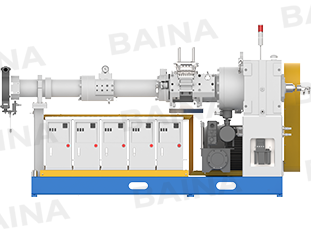
Motor Power: 55 kWMaximum Output: 320 kg/h
See Details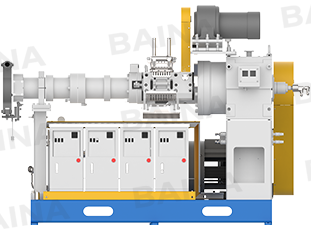
Motor Power: 37 kWMaximum Output: 150 kg/h
See Details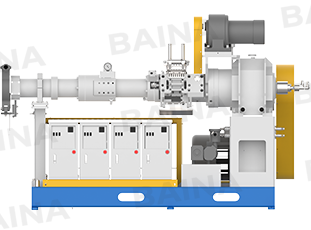
Motor Power: 37 kWMaximum Output: 150 kg/h
See Details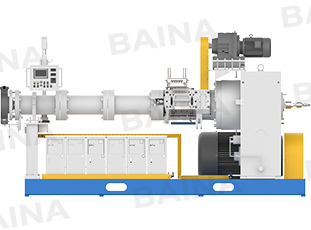
Motor Power: 160 kWMaximum Output: 1000 kg/h
See DetailsTwo rubber parts made from the same compound may show different hardness readings, even though they ......
READ MORESilicone profiles come in many forms, including sealing strips, flexible tubes, gaskets, and custom-......
READ MORERubber hose design is often discussed in terms of inner diameter, outer diameter, and wall thickness......
READ MORE

Rubber Extrusion Machine and Equipment