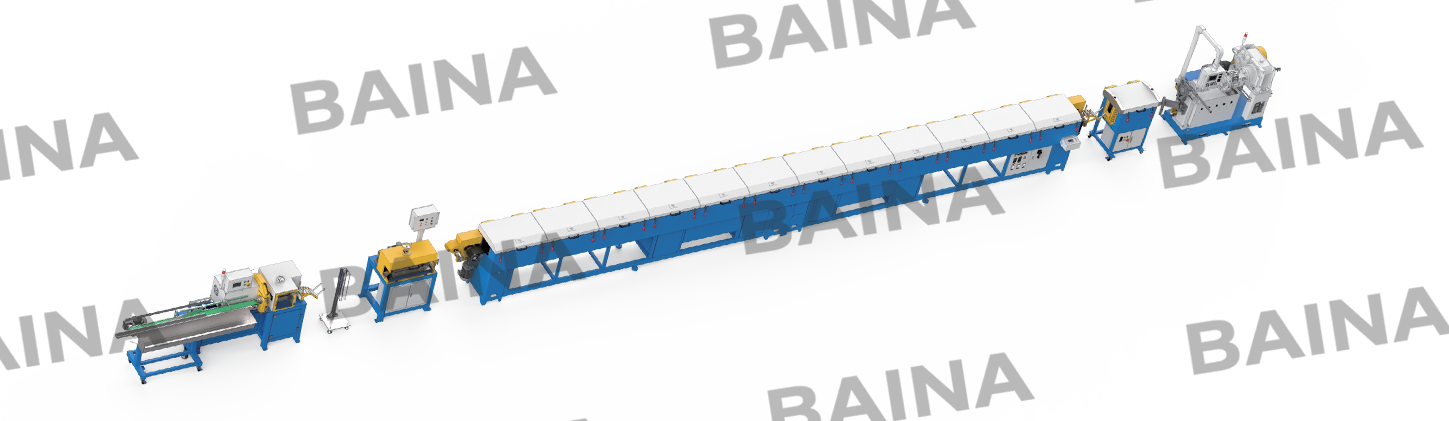
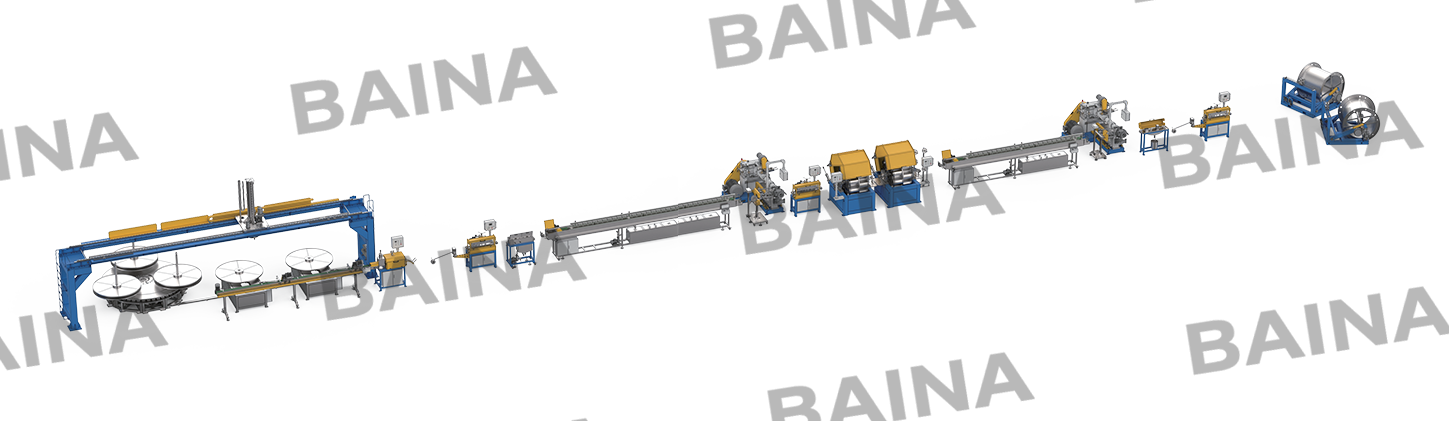
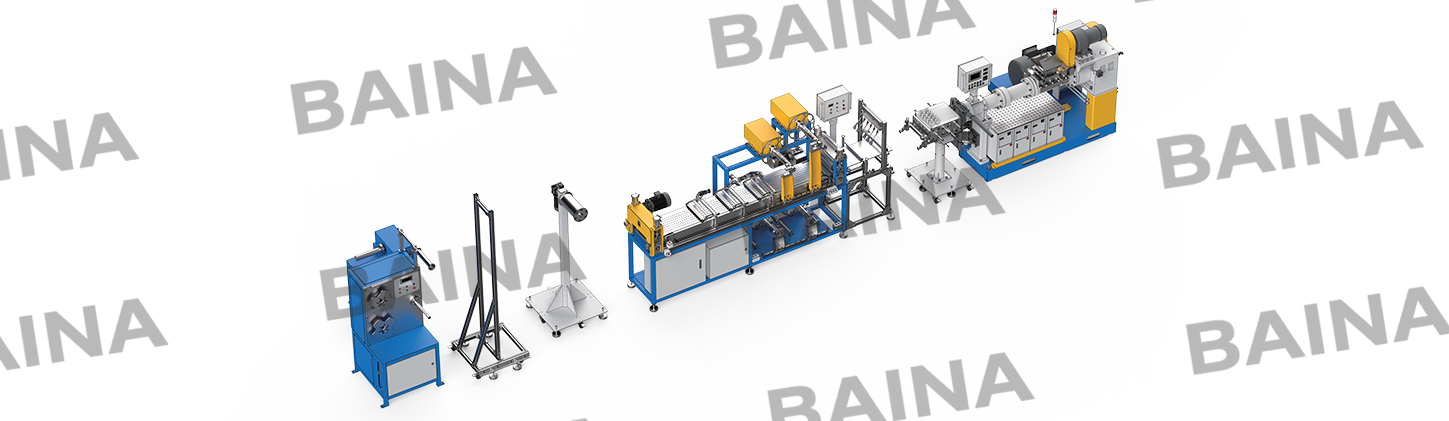
Ф120mm 20D Cold Feed Vacuum Rubber Extruder
Cat:Extruder Series
Motor Power: 110 kWMaximum Output: 700 kg/h
See Details

Rubber seals rarely share the same geometry. A flat gasket may have a relatively simple cross-section, while an oil seal can contain a thin lip, spring groove, or reinforced structure. O-rings appear simple as well, but their circular cross-section and sealing surface require controlled cavity dimensions and flash placement. Complex automotive seals can contain ribs, channels, holes, and multiple sealing edges in one component.
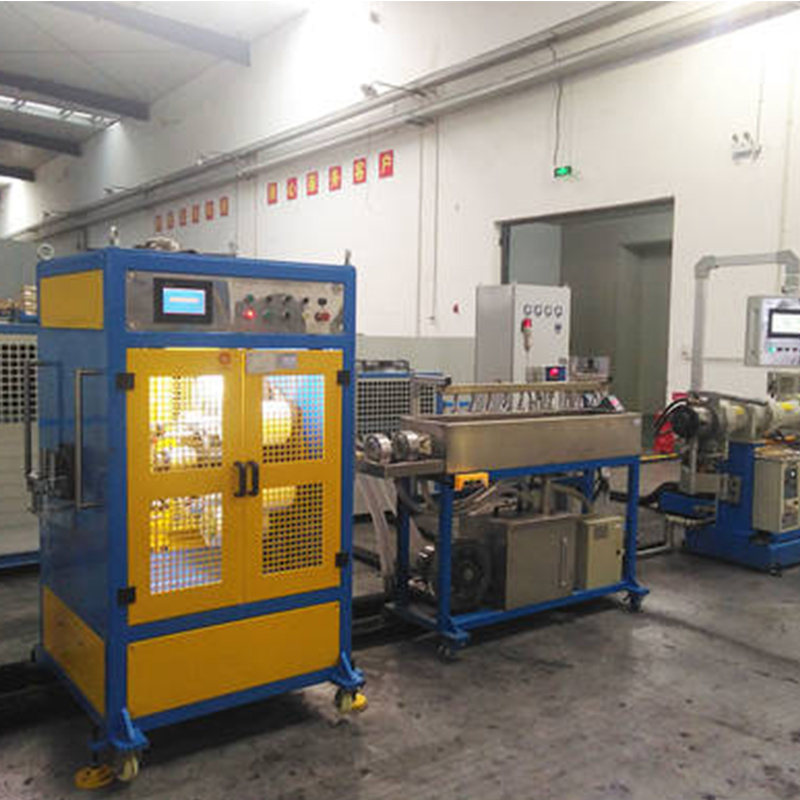
These differences make molding control an important part of rubber seal production. A Rubber Seals Making Machine needs to work together with the mold, heating system, pressure control, venting arrangement, and demolding system. The shape of the finished seal often determines which part of the molding process deserves greater attention.
Flat gaskets are generally easier to mold than seals with thin lips or deep grooves. However, large gasket surfaces can still experience uneven filling, thickness variation, or trapped air.
Compression molding is commonly associated with seals and gaskets because the material is prepared as a preform and compressed inside a heated cavity. The mold structure, material loading, pressure, and curing conditions all influence the final part.
An O-ring has a simple appearance, yet its sealing performance depends heavily on dimensional consistency. A small amount of unwanted material around the parting line can interfere with sealing, especially on dynamic applications.
| Seal Shape | Key Molding Concern | Important Control Area |
| O-ring | Round cross-section | Cavity size, parting line, flash |
| Flat gasket | Thickness and flatness | Pressure and mold parallelism |
| Oil seal | Thin sealing lip | Flow, venting, demolding |
| Profile seal | Multiple ribs or grooves | Cavity filling and dimensional control |
| Deep seal | Release from cavity | Ejection and mold surface |
O-ring mold design references emphasize cavity shrinkage compensation and mold-half alignment. Parting-line positioning also affects the location of flash on the finished ring.
The parting line is not simply a boundary between two mold halves. Its location can determine whether flash appears directly on a sealing surface or in a less sensitive area. A conventional horizontal split may work for certain static seals, while angled or more specialized parting arrangements can be considered for demanding dynamic sealing applications.
Oil seals and other lip-type components present a different challenge. Their thin sealing edges must fill properly without excessive flash or incomplete sections. Injection molding can provide controlled material filling through the runner, gate, and cavity system, making it suitable for complex sealing components with demanding dimensional requirements.
A machine with staged pressure and flow control can give operators more flexibility across different rubber compounds and mold geometries. Some commercial rubber injection systems provide multiple pressure and flow stages alongside heating, clamping, venting, and demolding functions.
Automotive door seals, window seals, dust seals, and specialty industrial profiles may contain several functional areas within one cross-section. Ribs, channels, sharp transitions, and thin walls can create different filling conditions inside the same cavity.
Such products place greater demands on mold venting and material-flow control. A cavity that fills well around a thick section may behave differently around a thin rib. The mold therefore needs an appropriate combination of gates, vents, cavity geometry, and pressure settings.
Vacuum compression molding is another approach used for rubber seals, O-rings, oil seals, and silicone gaskets. Vacuum venting can help remove trapped air from grooves and parting areas, while stable heating and pressure holding support curing consistency.
A practical equipment review should start with the actual seal geometry rather than machine tonnage alone.
A simple gasket, precision O-ring, thin-lip oil seal, and multi-feature profile may all fall under the same broad category of rubber seals, yet their molding requirements can be quite different. Compression molding, transfer molding, injection molding, and vacuum-assisted processes each provide different ways to control filling, pressure, heat, venting, and release.
That makes product geometry a useful starting point for evaluating a Rubber Seals Making Machine. Looking at the cross-section, critical sealing surfaces, cavity structure, flash location, material hardness, and demolding path can provide a clearer equipment specification than relying on machine capacity alone.
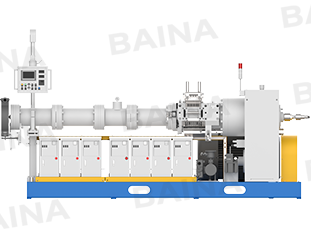
Motor Power: 110 kWMaximum Output: 700 kg/h
See Details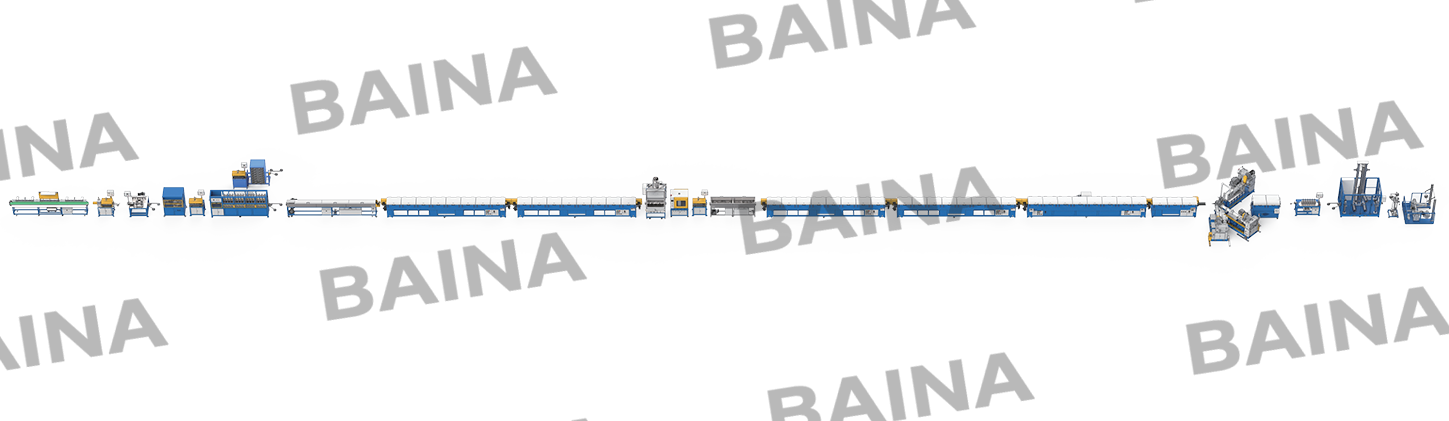
Product AdvantagesThis production line is primarily used for manufacturing rubber products that are ...
See Details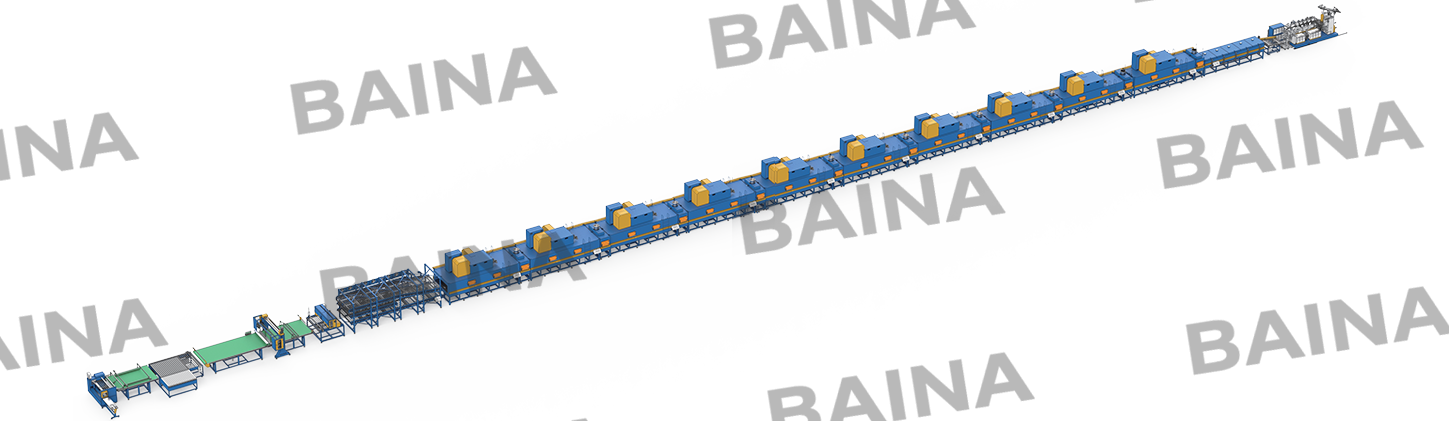
1. Core Control System Advantages: Utilizes Siemens motors, frequency converters, and PLCs paired wi...
See DetailsSilicone tubing, sealing strips, and custom profiles can be manufactured with different material str......
READ MORETwo rubber parts made from the same compound may show different hardness readings, even though they ......
READ MORESilicone profiles come in many forms, including sealing strips, flexible tubes, gaskets, and custom-......
READ MORE

Rubber Extrusion Machine and Equipment