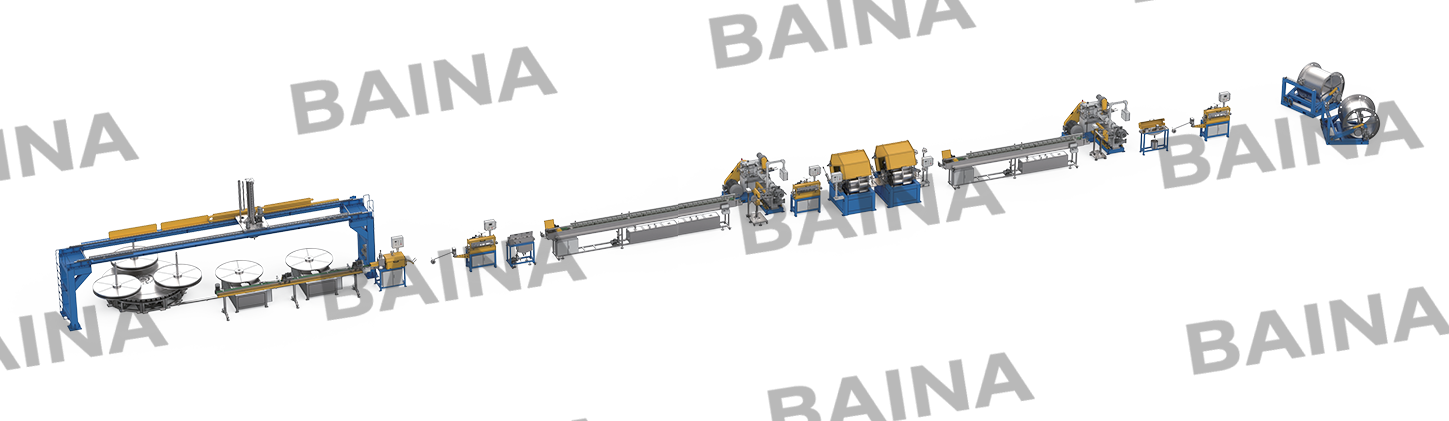
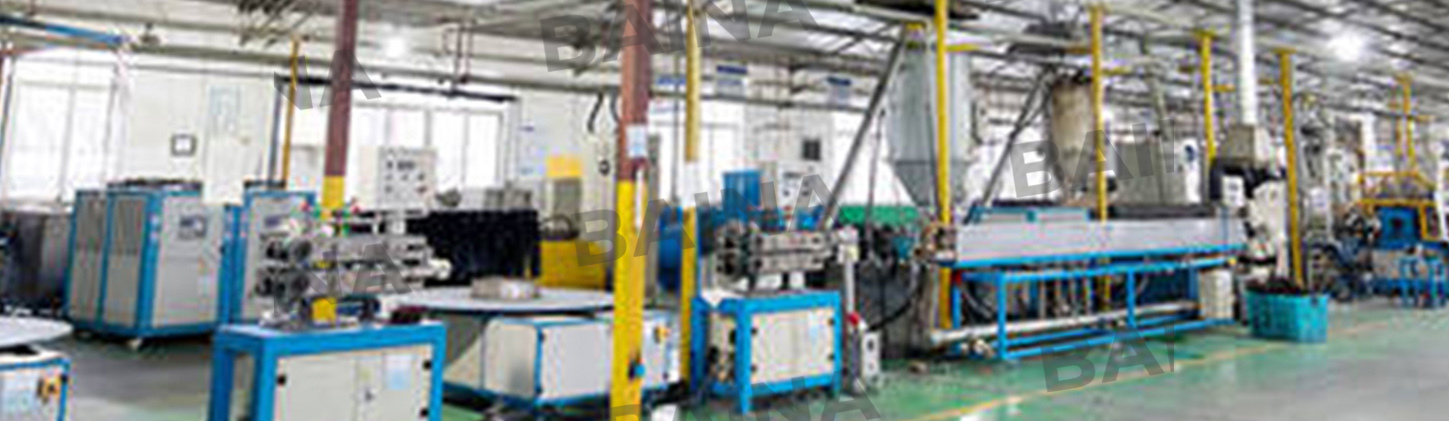
Ф75mm 14D Silicone Extruder
Cat:Extruder Series
Motor Power: 22 kWMaximum Output: 120 kg/h
See Details

Rubber extrusion quality depends on more than machine capacity or screw speed. The physical properties of the rubber compound also determine how smoothly material moves through the extrusion system, how much pressure is required, and whether the finished profile maintains consistent dimensions. A cold feed extruder must therefore be matched to the compound being processed rather than selected according to output capacity alone.
At Baina, we understand that rubber manufacturers work with different formulations for automotive seals, industrial hoses, rubber strips, insulation components, and other applications. EPDM, NBR, natural rubber, and silicone compounds have different processing characteristics. Their viscosity, hardness, elasticity, and thermal sensitivity affect the working conditions inside an extruder.
Our approach to rubber extrusion equipment focuses on matching screw configuration, feeding structure, temperature regulation, and extrusion capacity with actual material requirements. Understanding these factors helps manufacturers prepare a more suitable equipment configuration before purchasing a production line.
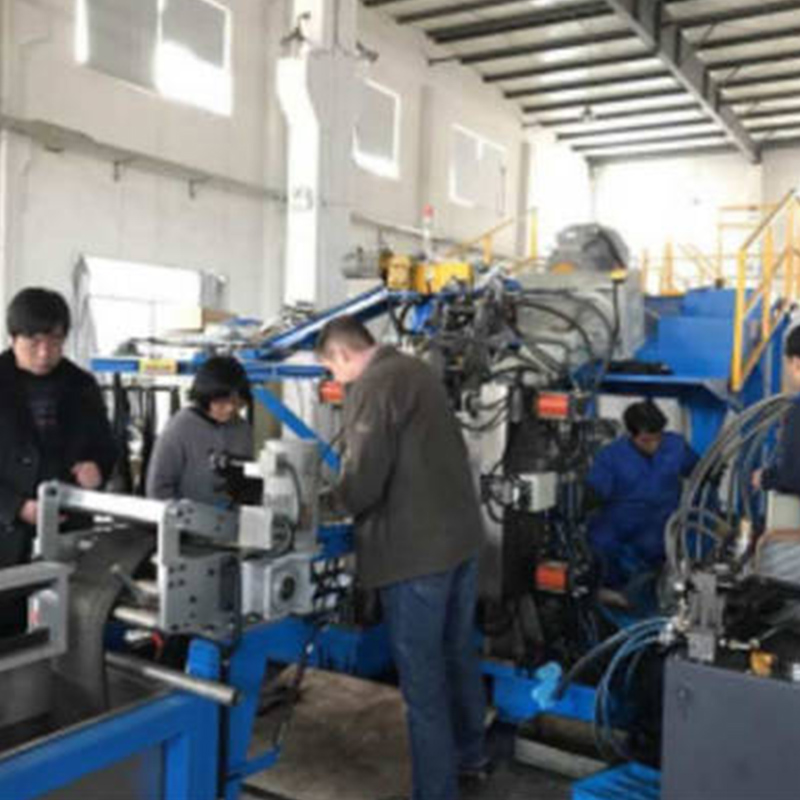
Viscosity directly influences how rubber moves through the screw and barrel. Compounds with higher viscosity generally require greater mechanical force to achieve stable material flow. Lower-viscosity formulations may move more easily but can create different pressure and dimensional control requirements.
A cold feed extruder processes rubber compounds without requiring the same preheating arrangement used in traditional hot-feed systems. The screw performs material conveying, plasticizing, and homogenization during operation. Compound viscosity therefore needs to be considered alongside screw geometry and operating temperature.
At Baina, we recommend evaluating the compound's processing behavior before confirming the extruder configuration. A machine designed around a particular material viscosity range may not deliver the same operating results with a substantially different formulation.
Shore hardness is another important reference when matching a cold feed extruder to a rubber formulation. Softer compounds and harder compounds respond differently to mechanical compression, friction, and screw rotation.
Soft rubber may deform easily during feeding, while harder compounds can require greater mechanical force to move through the screw channel. These differences influence feeding stability, material temperature, and the consistency of the extruded product.
Hardness alone cannot determine the correct machine specification. Two rubber compounds with similar Shore A values may behave differently because their polymer types, fillers, plasticizers, and curing systems are not identical.
Our technical evaluation therefore considers hardness together with compound composition and the intended extrusion application. This provides a more practical reference for determining the required machine configuration.
The screw is a central component of a cold feed extruder. Its diameter, length-to-diameter ratio, flight depth, compression structure, and rotation speed influence how rubber is conveyed, compressed, mixed, and discharged through the die.
Cold-feed systems generally use longer screws than conventional hot-feed equipment because the rubber enters without extensive external preheating. The screw needs sufficient working length to condition the compound and establish stable pressure before extrusion.
For example, a rubber hose manufacturer processing a relatively stiff compound may require a different screw arrangement from a manufacturer producing soft sealing profiles. Applying identical screw parameters to both applications may create unnecessary pressure fluctuations or inconsistent material output.
Baina evaluates screw specifications according to the rubber formulation and product dimensions. This approach helps establish a suitable balance between processing capacity, material homogenization, and extrusion stability.
Temperature management is closely connected to rubber compound properties. Mechanical shear generated during screw rotation produces heat, while barrel heaters and cooling circuits regulate the temperature throughout the extrusion process.
Excessive heat can affect compound viscosity and increase the risk of premature vulcanization, particularly with formulations containing sensitive curing systems. Insufficient heat may create poor material plasticization, unstable pressure, or rough extruded surfaces.
Actual temperature settings depend on polymer type, compound formulation, screw design, and production speed. A universal temperature schedule cannot cover every rubber extrusion application.
At Baina, we emphasize coordinated heating and cooling control rather than simply increasing barrel temperatures. Independent temperature zones and appropriate cooling arrangements help manufacturers adjust processing conditions according to different compound requirements.
Motor power is another purchasing consideration that deserves attention. A larger motor does not automatically mean better extrusion performance. The required drive configuration depends on screw diameter, screw speed, compound resistance, processing pressure, and the intended production rate.
High-viscosity rubber compounds may require considerable torque during conveying and plasticizing. A drive system with insufficient torque can experience unstable operation under demanding processing conditions. Excessive motor capacity, on the other hand, may increase equipment investment without providing practical production benefits.
These details help us assess the relationship between drive power and actual processing requirements. Our equipment recommendations focus on practical operating conditions rather than relying on motor power as an isolated purchasing indicator.
The rubber compound is only part of the equipment selection process. The required product geometry also affects extrusion pressure, material distribution, and the configuration of the extrusion head.
A cold feed extruder used for round rubber hoses may require a different die arrangement from equipment producing rectangular seals, automotive weatherstrips, or complex rubber profiles.
Die resistance also affects the pressure required inside the extruder. A narrow opening or complex flow channel may require different processing conditions from a simple, open profile. Screw speed, temperature, and die geometry should therefore be evaluated as interconnected parameters.
Before investing in a cold feed extruder, manufacturers should prepare clear information about the material, finished product, and expected production conditions. Detailed application information helps our team assess equipment compatibility and avoid unnecessary configuration changes after installation.
| Evaluation Item | Information to Prepare | Equipment Consideration |
| Rubber type | EPDM, NBR, NR, silicone, or other compounds | Material processing compatibility |
| Compound hardness | Shore A hardness range | Feeding structure and screw configuration |
| Viscosity | Mooney viscosity or available processing data | Torque and conveying requirements |
| Product dimensions | Diameter, width, thickness, and cross-sectional shape | Extrusion head and die specifications |
| Production capacity | Required output in kg/h or production length per hour | Screw diameter, speed, and drive power |
| Processing temperature | Recommended compound processing range | Heating and cooling system configuration |
| Vulcanization method | Hot air, steam, microwave, or press curing | Downstream production line arrangement |
Providing these details allows our engineering team to review the relationship between compound properties and machine specifications. Where actual processing data is available, trial extrusion can also help verify material flow, product dimensions, and operating stability.
Matching a cold feed extruder to a rubber compound requires a comprehensive review of material viscosity, hardness, thermal sensitivity, screw geometry, drive power, and product design. Each factor influences the way rubber moves through the extrusion system and the quality of the finished product.
A suitable machine configuration should support stable feeding, controlled plasticization, consistent pressure, and the required product dimensions. These considerations are particularly important for manufacturers handling multiple rubber formulations or producing different profile specifications on the same production line.
At Baina, we focus on connecting equipment configuration with real manufacturing requirements. Contact our team with your rubber compound details and product specifications to discuss a suitable cold feed extruder and rubber extrusion production line for your application.
Yes, a cold feed extruder may process different rubber compounds, provided that its screw configuration, temperature control, feeding system, and operating parameters are suitable for the materials involved. EPDM, NBR, and natural rubber have different processing characteristics. Manufacturers should evaluate compatibility and confirm the required adjustments before switching formulations.
The appropriate L/D ratio depends on screw diameter, compound properties, required plasticization, and extrusion application. Cold-feed rubber extruders commonly use ratios around 15:1 to 24:1, although actual configurations vary by equipment design. Our team can review the application requirements before recommending a suitable screw structure.
Rubber viscosity influences conveying resistance, pressure development, and the amount of mechanical energy required during processing. High-viscosity compounds may require greater torque and suitable screw geometry. Changes in viscosity can also affect output stability, so screw speed and temperature settings should be adjusted according to actual material behavior.
Screw rotation and material friction generate heat during rubber processing. Excessive temperature may affect compound viscosity or cause premature vulcanization. A suitable cooling system helps regulate heat buildup and maintain stable processing conditions throughout the barrel.
We recommend providing the rubber type, compound hardness, viscosity information, product drawings, required dimensions, expected output capacity, and intended vulcanization method. These details help our team evaluate the machine configuration, screw specifications, drive system, and production line requirements for your project.
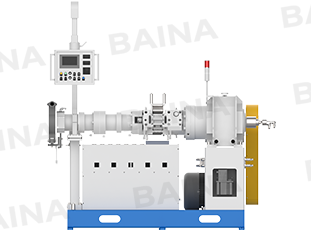
Motor Power: 22 kWMaximum Output: 120 kg/h
See Details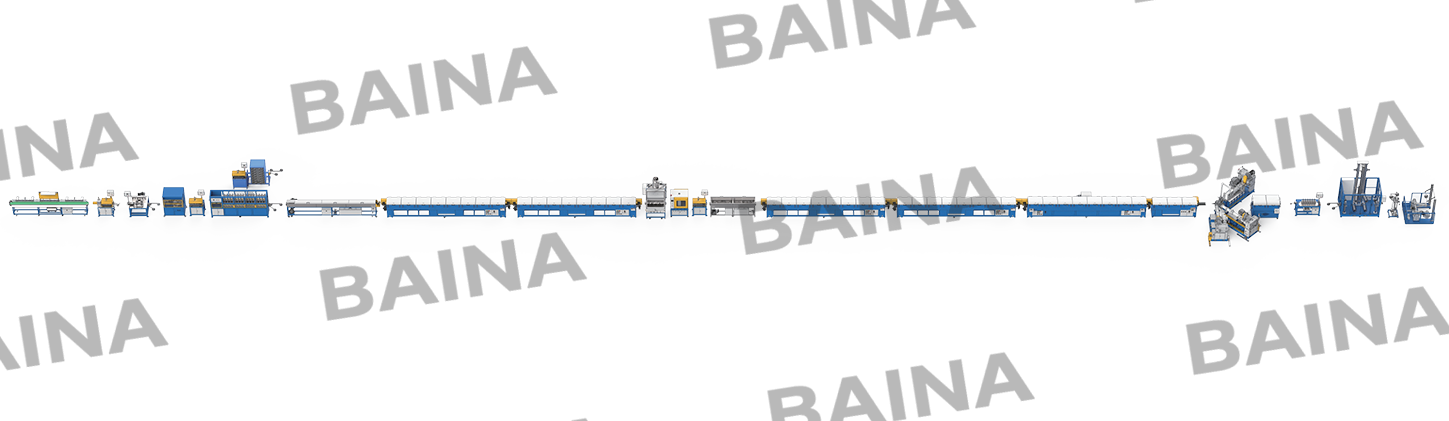
Product AdvantagesThis production line is primarily used for manufacturing rubber products that are ...
See Details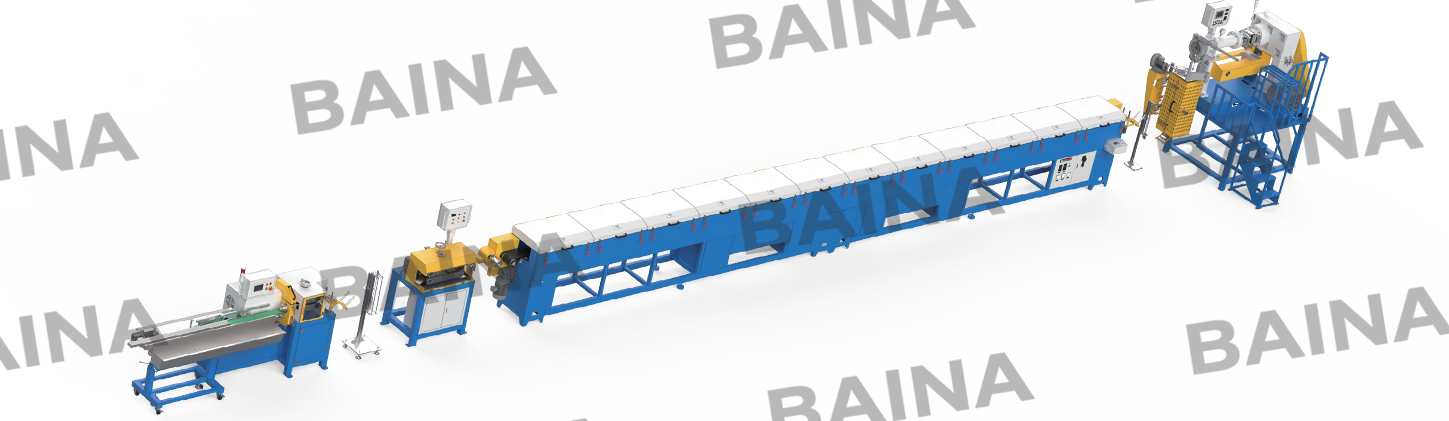
Product advantages1. High Space Utilization, Suitable for Compact Production Environments2. High Mol...
See Details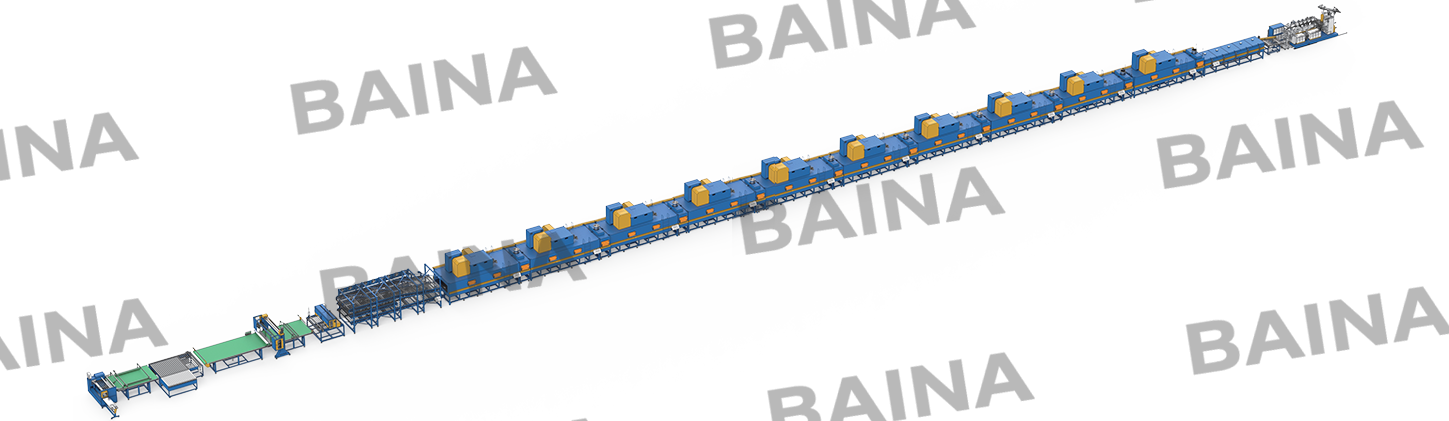
1. Core Control System Advantages: Utilizes Siemens motors, frequency converters, and PLCs paired wi...
See DetailsRubber extrusion quality depends on more than machine capacity or screw speed. The physical properti......
READ MOREA silicone sealing strip may leave an extrusion die with the correct general shape, yet its final di......
READ MORESilicone tubing, sealing strips, and custom profiles can be manufactured with different material str......
READ MORE

Rubber Extrusion Machine and Equipment