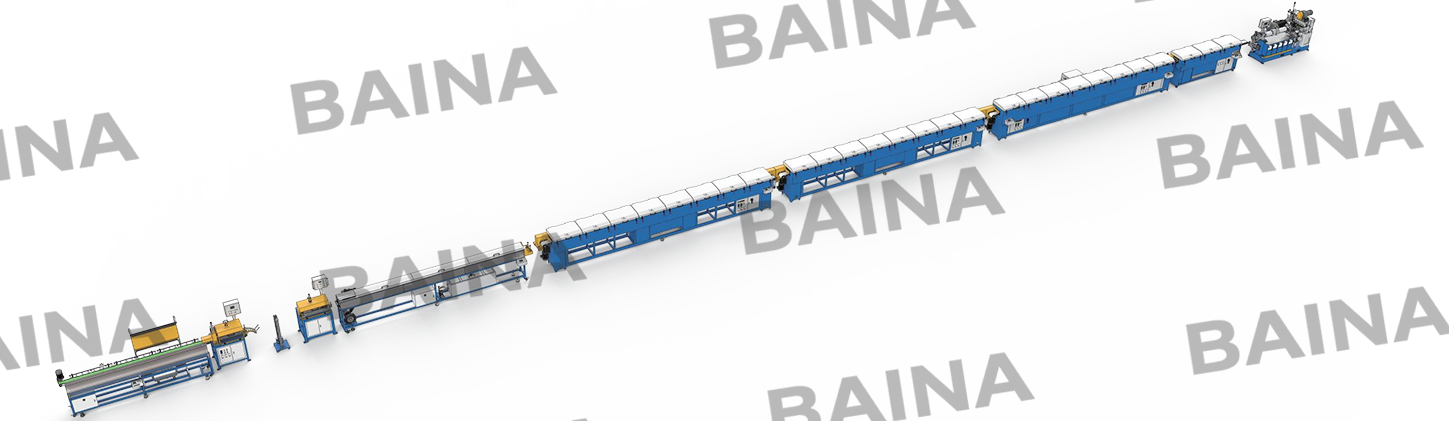
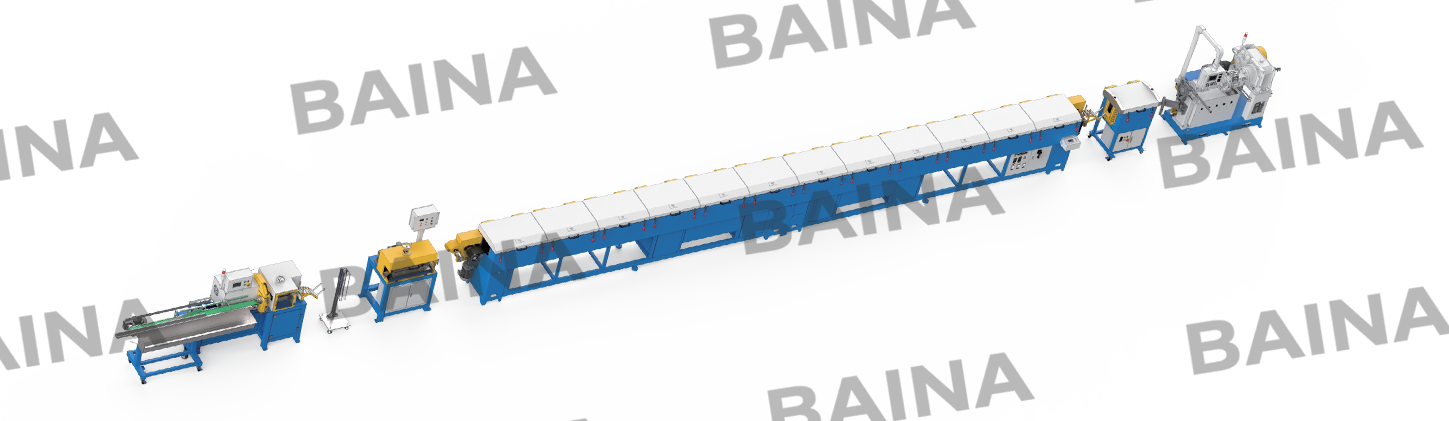
Ф120mm 16D Cold Feed Rubber Extruder
Cat:Extruder Series
Motor Power: 110 kWMaximum Output:700 kg/h
See Details
An EPDM extruder is a machine that processes EPDM rubber compounds through a shaping process, typically involving heating, mixing, and forming the material into profiles or sheets. The extruder operates by feeding raw EPDM material into a barrel, where it is mixed with other chemicals such as curing agents, fillers, and oils. Once the material is properly mixed, it is forced through a die, which gives the rubber its desired shape.
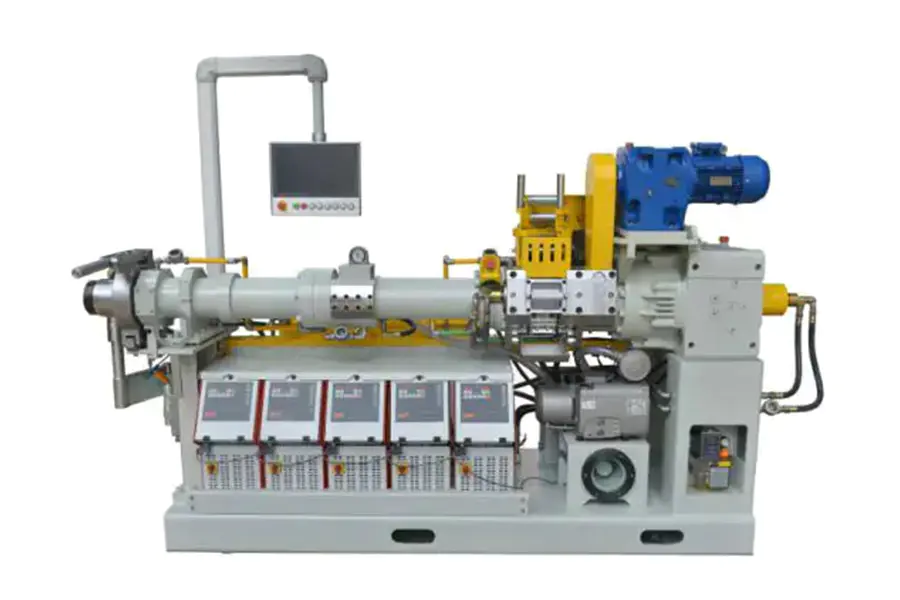
Key components of an EPDM extruder include the screw (or screw element), which moves the material forward, a heating element that melts the rubber, and the die that defines the shape. The extruder applies heat and pressure to the rubber compound to make it more pliable and easier to shape. The result is a continuous length of EPDM profile or sheet, which can then be cut or further processed as needed.
What are the advantages of using an EPDM extruder?
Using an EPDM extruder offers manufacturers a number of advantages. Some of the main benefits include:
Customizable shapes: One of the primary advantages of an EPDM extruder is its ability to produce rubber in custom shapes and sizes. The die can be changed to create profiles of various cross-sectional shapes, such as seals, gaskets, or even large sheets.
High efficiency: The extrusion process is continuous, allowing for large volumes of EPDM material to be produced without interruption. This continuous production method increases efficiency and reduces labor costs compared to other methods such as molding.
Precise control: EPDM extruders allow manufacturers to control key parameters such as temperature, pressure, and screw speed. This level of control ensures consistent product quality and minimizes defects.
Scalability: EPDM extruders can be used for both small-scale prototype production and large-scale production runs, making them suitable for both small and large manufacturers.
What maintenance is required for an EPDM extruder?
Proper maintenance of an EPDM extruder is crucial to ensure the machine's longevity and consistent performance. Key maintenance tasks include:
Regular cleaning: It is important to regularly clean the barrel, screw, and die to prevent the buildup of rubber residue, which can cause blockages and affect product quality. Cleaning should be performed after each production cycle or batch.
Lubrication: Moving parts of the extruder, such as the screw, require regular lubrication to prevent wear. Proper lubrication helps maintain smooth operation and reduces the risk of equipment failure.
Temperature monitoring: Since the extruder uses precise temperature control to melt the EPDM material, it is important to regularly monitor and calibrate the heating elements and temperature sensors to ensure uniform processing.
Inspection of parts: Key parts such as the screw, barrel, and die should be periodically inspected for signs of wear or damage. If any parts are worn or damaged, they should be replaced immediately to avoid production disruptions.
How to choose the right EPDM extruder for your production needs?
Choosing the right EPDM extruder depends on several factors, including the scale of production, the type of product being manufactured, and material requirements. Consider the following factors when selecting an extruder:
Capacity: The extruder should be able to handle the required throughput for your production. Larger machines are capable of higher output, but smaller machines may be more suitable for small-scale production or prototyping.
Die compatibility: Since the die is critical for shaping the extruded material, ensure that the extruder is compatible with the die profiles you need. Some extruders come with interchangeable dies, offering production flexibility.
Temperature control: Given that EPDM requires precise temperature control during the extrusion process, choose an extruder with accurate and reliable temperature control systems. This feature is especially important when producing products that require consistent quality and finish.
Ease of operation and maintenance: Select an extruder that is easy to operate and maintain. Automated systems that assist with setup, monitoring, and adjustments can save time and reduce errors in production.
Cost-effectiveness: While price is always an important factor, it should be considered alongside the extruder's performance and durability. Sometimes a higher initial investment can lead to lower maintenance costs and increased long-term profitability.
Key factors for choosing an EPDM extruder
| Factor | Consideration |
| Capacity | Ensure the extruder can handle the required throughput. |
| Die compatibility | Check compatibility with the required die profiles. |
| Temperature control | Ensure reliable and accurate temperature regulation. |
| Ease of operation | Look for user-friendly operation and automation. |
| Cost-effectiveness | Balance cost with durability and long-term savings. |
EPDM extruders play a key role in the production of EPDM products, offering efficiency, consistency, and customizability. Proper maintenance and careful selection of the right equipment can significantly enhance production capabilities, making these machines valuable assets for businesses across a wide range of industries.
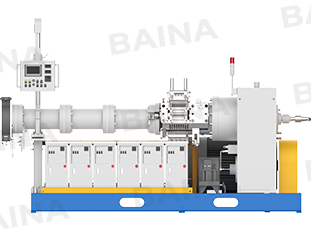
Motor Power: 110 kWMaximum Output:700 kg/h
See Details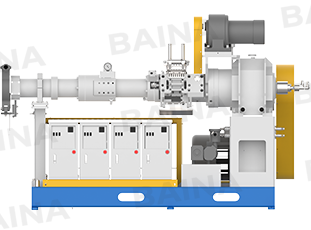
Motor Power: 37 kWMaximum Output: 150 kg/h
See Details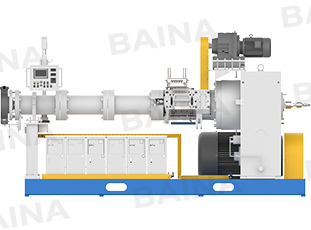
Motor Power: 160 kWMaximum Output: 1000 kg/h
See Details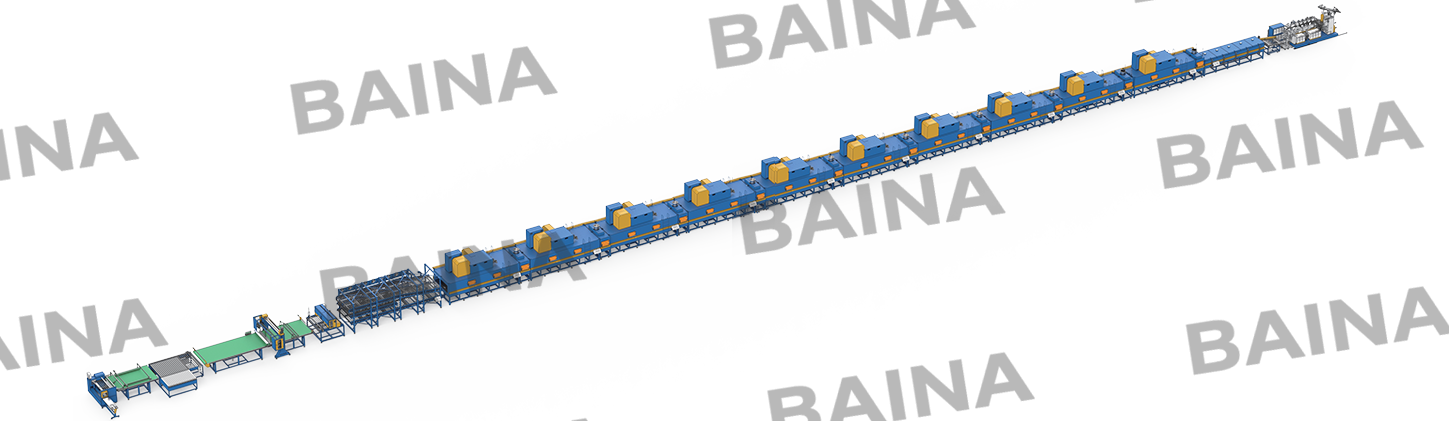
1. Core Control System Advantages: Utilizes Siemens motors, frequency converters, and PLCs paired wi...
See DetailsA rubber profile can leave an extrusion die with the correct shape and still change during curing. T......
READ MORECutting a rubber tube to a specified length sounds simple until the material starts to compress, str......
READ MORERubber seals rarely share the same geometry. A flat gasket may have a relatively simple cross-sectio......
READ MORE

Rubber Extrusion Machine and Equipment