


Ф120mm 20D Cold Feed Vacuum Rubber Extruder
Cat:Extruder Series
Motor Power: 110 kWMaximum Output: 700 kg/h
See Details

Rubber products used in automotive sealing systems, industrial hoses, construction profiles, and waterproof components depend heavily on the curing stage. A well-designed rubber curing oven helps manufacturers achieve consistent vulcanization, stable dimensions, and reliable mechanical performance throughout large production runs.
Growing demand for high-quality rubber extrusions has encouraged manufacturers to invest in advanced curing technology. Our company focuses on integrated rubber processing equipment and continuous vulcanization solutions, combining extrusion systems, microwave technology, and hot air curing equipment to support efficient production across different rubber applications.
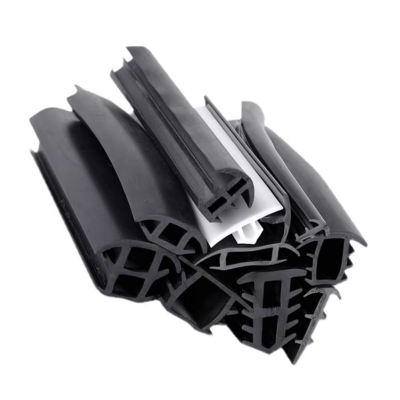
Temperature uniformity remains one of the key factors affecting rubber curing quality. Uneven heating may cause incomplete cross-linking, surface defects, hardness variation, or dimensional instability.
A modern rubber curing oven is designed to maintain controlled airflow throughout the heating chamber. Continuous circulation systems distribute heat evenly around the product surface, helping rubber compounds reach the required curing temperature without localized overheating.
Typical operating features include:
Industrial curing systems commonly operate between 180°C and 500°C depending on rubber formulation, product dimensions, and process requirements. Temperature stability helps reduce scrap rates and improves production consistency.
Many traditional curing processes rely on batch operations. Although suitable for certain products, batch curing may limit throughput and require additional handling.
Continuous rubber curing ovens offer a different approach. Extruded profiles move through the heating chamber at a controlled speed, allowing curing to occur without stopping production.
Advantages include:
Our company supplies complete extrusion and curing systems that combine cold-feed rubber extruders, microwave curing sections, hot air curing ovens, cooling tanks, pullers, and cutting equipment into a continuous production line. This configuration supports the manufacturing of door seals, window gaskets, weather strips, waterstops, and various industrial rubber profiles.
Many rubber manufacturers now combine microwave pre-curing with hot air finishing technology.
Microwave energy rapidly heats the rubber compound internally, allowing faster temperature penetration compared with conventional heating methods. After the initial microwave stage, the product enters a hot air curing oven where the vulcanization process is completed under controlled thermal conditions.
Several industrial production lines use:
This combined process can improve curing efficiency while maintaining product shape and surface quality.
Energy consumption directly affects manufacturing costs. Modern rubber processing facilities are paying greater attention to thermal efficiency and heat utilization.
A properly engineered rubber curing oven often incorporates:
These features help reduce unnecessary heat loss while maintaining accurate temperature control. Energy-efficient operation becomes particularly valuable during long production cycles and large-volume manufacturing projects.
Rubber compounds react differently during vulcanization depending on formulation, filler content, hardness requirements, and final application.
Accurate control of curing conditions can influence:
Many advanced systems integrate PLC control platforms, temperature controllers, and automated monitoring functions. Operators can adjust parameters according to production requirements and maintain repeatable processing conditions across different product batches.
Demand for rubber curing equipment continues to expand across several industrial sectors.
Common applications include:
Our company develops extrusion and curing equipment suitable for these applications, supporting both standard and customized production requirements. Integrated solutions help manufacturers streamline processing while maintaining product consistency throughout large-scale operations.
Production environments often require equipment capable of operating continuously for extended periods. Durable construction and maintenance-friendly layouts help reduce downtime and improve operational reliability.
Important design considerations include:
Modern curing ovens may also include viewing windows, exhaust systems, programmable temperature profiles, alarm functions, and data recording capabilities to support production management.
Automation, energy optimization, and intelligent monitoring continue to influence equipment development throughout the rubber processing industry.
Manufacturers increasingly seek production lines capable of delivering:
A high-performance rubber curing oven remains a critical component within modern rubber extrusion systems. Stable temperature control, efficient heat transfer, and reliable process management help manufacturers achieve consistent product quality while supporting growing production demands.
Our company continues to develop integrated extrusion and curing solutions for customers worldwide, providing equipment that combines rubber extrusion technology, microwave curing systems, hot air ovens, cooling sections, and automation controls into complete production platforms designed for long-term industrial operation.
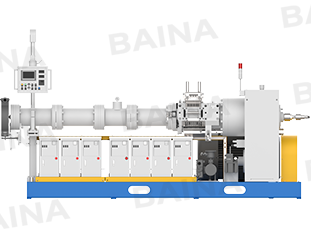
Motor Power: 110 kWMaximum Output: 700 kg/h
See Details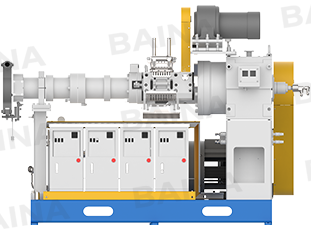
Motor Power: 37 kWMaximum Output: 150 kg/h
See Details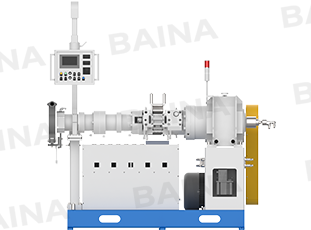
Motor Power: 22 kWMaximum Output: 120 kg/h
See Details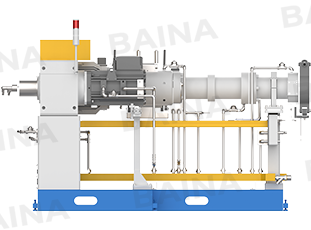
Motor Power: 45 kWMaximum Output: 280 kg/h
See Details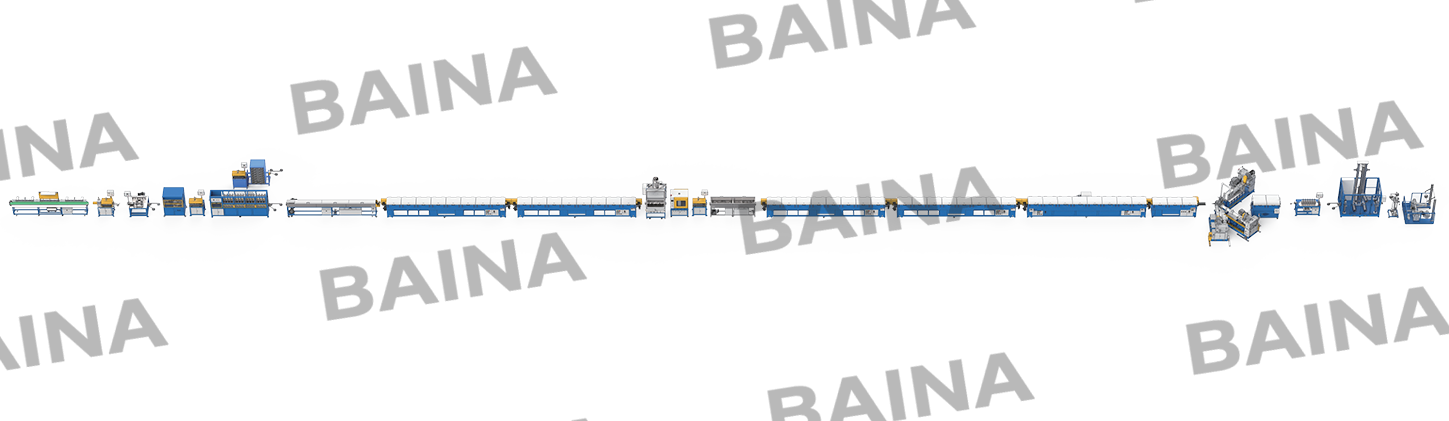
Product AdvantagesThis production line is primarily used for manufacturing rubber products that are ...
See Details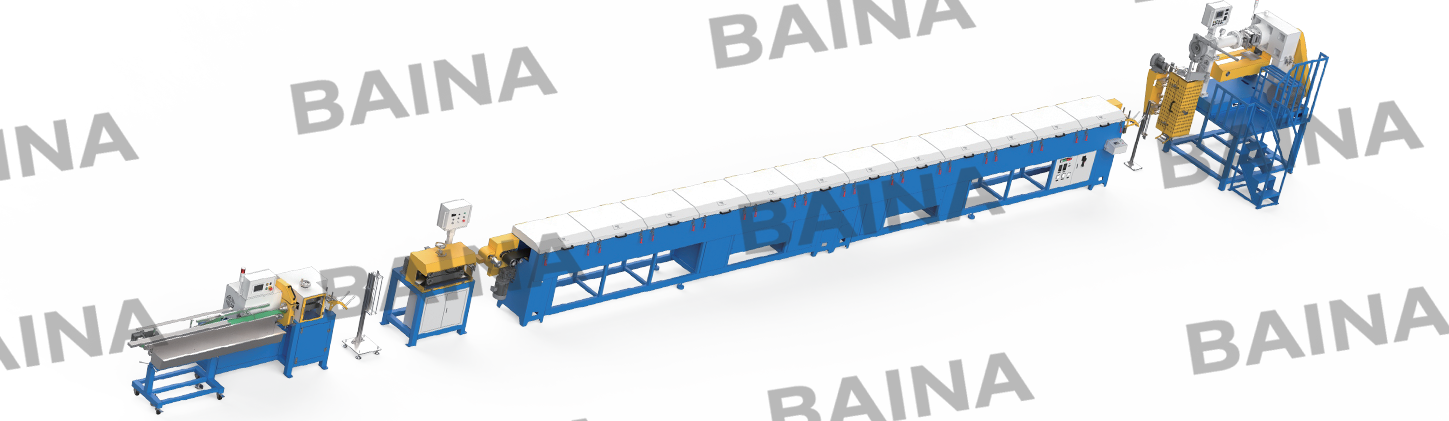
Product advantages1. High Space Utilization, Suitable for Compact Production Environments2. High Mol...
See DetailsTwo rubber parts made from the same compound may show different hardness readings, even though they ......
READ MORESilicone profiles come in many forms, including sealing strips, flexible tubes, gaskets, and custom-......
READ MORERubber hose design is often discussed in terms of inner diameter, outer diameter, and wall thickness......
READ MORE

Rubber Extrusion Machine and Equipment