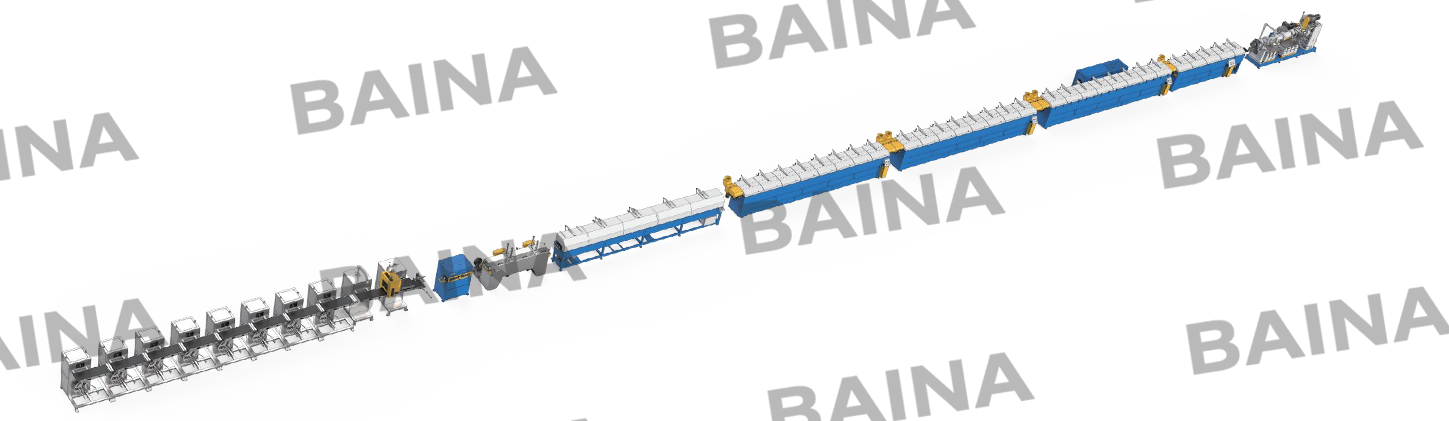
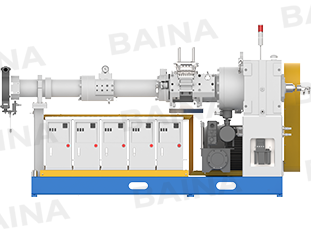
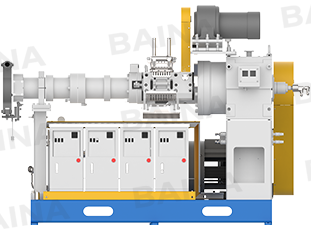
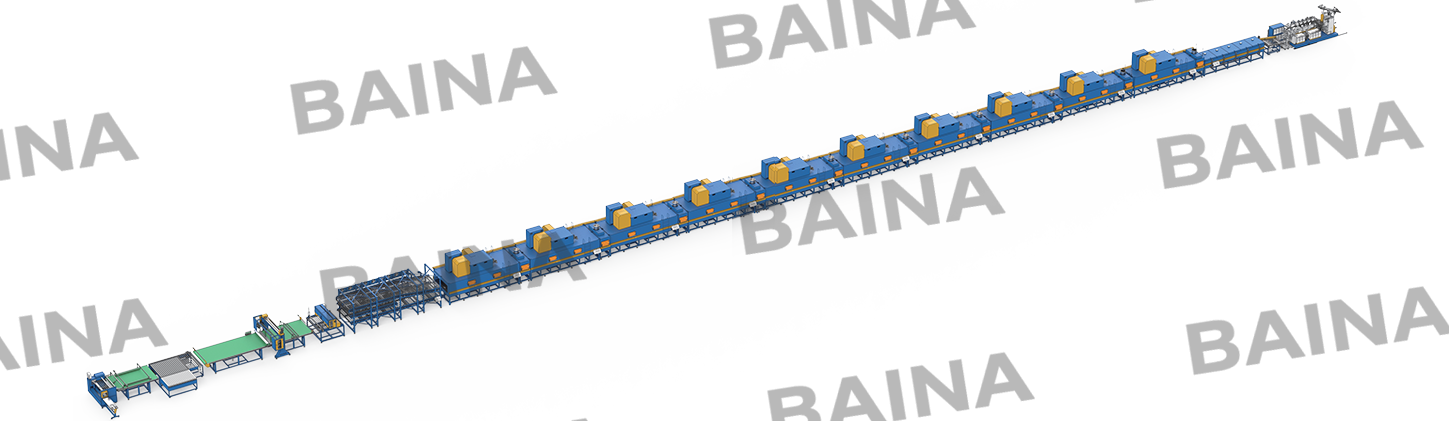
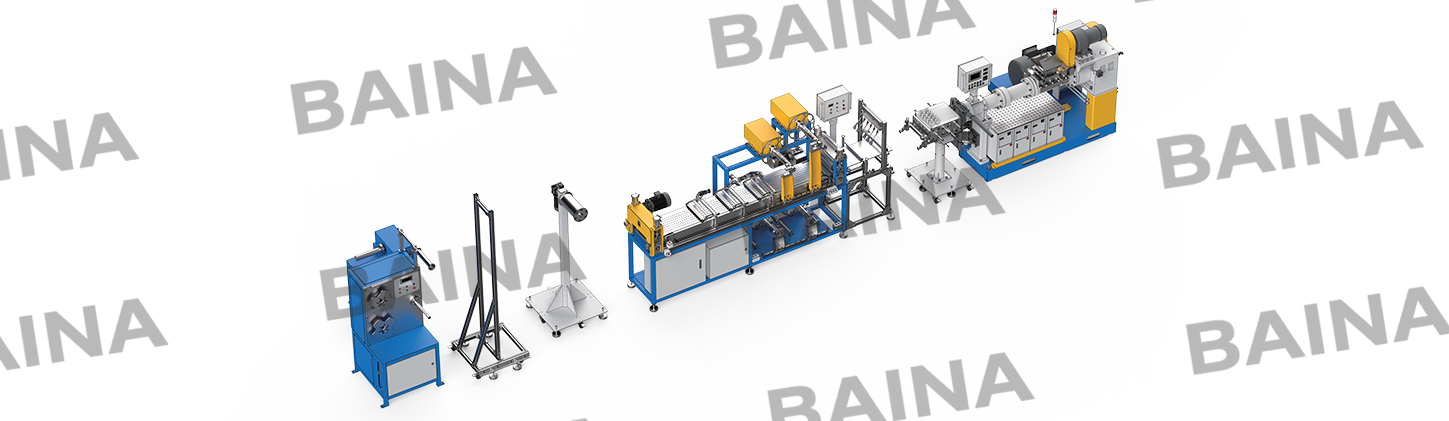
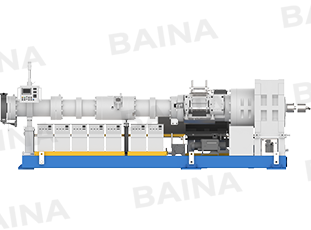
The performance of a modern rubber hot air oven is no longer defined only by temperature stability. Airflow architecture, pressure balance, and heat penetration depth are now central to how rubber products achieve structural consistency across industrial applications. Our company has been analyzing how air movement inside thermal chambers reshapes vulcanization behavior, especially in complex rubber geometries such as seals, extrusions, and molded components.
Rather than focusing on conventional curing narratives, the latest engineering direction highlights how controlled air dynamics influence polymer transformation at a micro level.
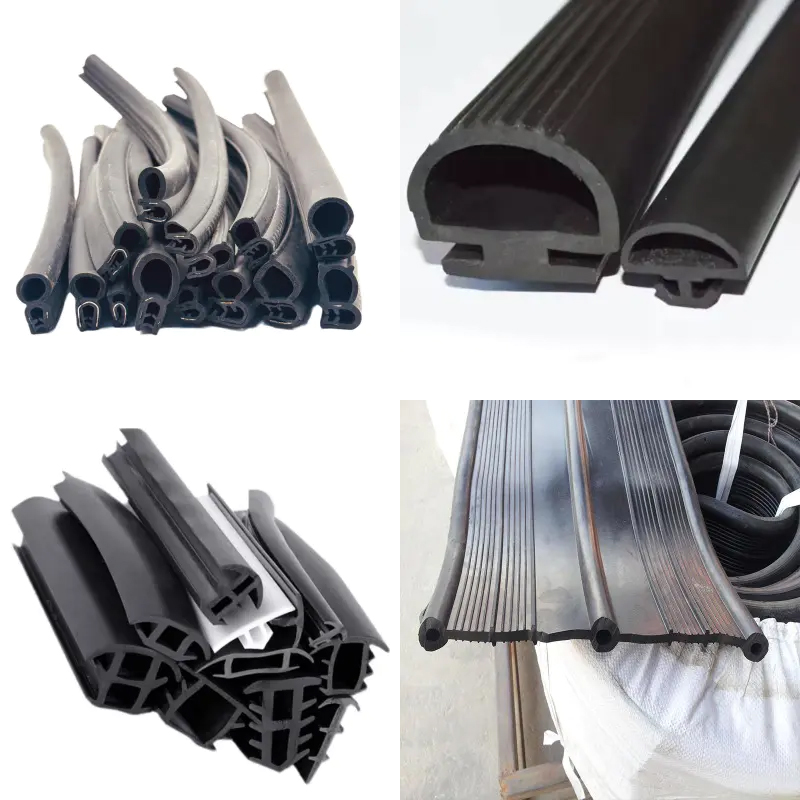
Airflow geometry as a curing variable
Traditional ovens rely on static heat accumulation, but advanced systems integrate forced convection loops that actively shape thermal transfer.
Key technical structure in a rubber hot air oven includes:
- Horizontal or dual-direction airflow channels
- Multi-nozzle air distribution lines across chamber length
- Recirculation fan systems rated around 2.2–7.5 kW depending on chamber size
- Air velocity ranges typically controlled between 3–25 m/s in precision models
Our company designs airflow paths so heat does not remain surface-bound. Instead, thermal energy penetrates deeper rubber layers, reducing gradient distortion between outer skin and core.
Thermal uniformity beyond temperature control
Most systems advertise temperature accuracy, yet uniformity is often the real engineering challenge.
A standard industrial rubber hot air oven can operate within:
- Temperature range: ambient to 250°C or higher depending on configuration
- Stability tolerance: ±1°C to ±10°C depending on chamber design
- Heat recovery time: under 20–40 seconds after loading disturbance in optimized systems
Our company focuses on stabilizing “thermal lag zones,” which typically form near door edges, conveyor entry points, and lower tray levels. These zones are often ignored but directly influence product elasticity consistency.
Structural engineering of the chamber
Modern curing systems are increasingly designed like modular thermal ecosystems rather than simple heating boxes.
Typical build architecture includes:
- Inner chamber: stainless steel 304/316 for chemical resistance
- Insulation layer: 100–150 mm mineral wool for heat retention
- Outer shell: powder-coated carbon steel for structural rigidity
Our company integrates reinforced duct channels inside insulation layers, which helps reduce airflow energy loss while maintaining consistent pressure across long curing cycles.
This design approach also supports continuous operation lines used in extrusion-based rubber processing.
Conveyor-based thermal synchronization
Rubber processing lines are increasingly dependent on synchronized curing speed and airflow intensity.
Common system parameters include:
- Conveyor speed: adjustable 0.5–12 m/min depending on product thickness
- Belt type: PTFE-coated high-temperature mesh belts
- Load capacity: up to 1000 kg per batch in industrial configurations
Our company treats conveyor movement as part of the curing algorithm rather than a mechanical transport function. Belt speed, air velocity, and heating cycle are calibrated together, forming a unified processing model.
Micro-stability in polymer transformation
Rubber vulcanization is not only a heat-driven reaction but also a molecular restructuring process involving cross-link formation.
Inside a rubber hot air oven, the transformation depends on:
- Heat penetration rate
- Oxygen exchange level
- Moisture evacuation efficiency
- Volatile compound removal balance
Our company has observed that even small airflow disruptions can cause uneven cross-link density, which later affects elongation strength and fatigue resistance.
This is why airflow symmetry is engineered with multi-zone ducting instead of single-direction circulation.
Energy distribution and heat recycling logic
Energy efficiency is not only about insulation thickness. It also depends on how effectively hot air is reused inside the chamber.
Key design mechanisms include:
- Closed-loop recirculation fans
- Adjustable exhaust dampers
- Heat recovery through secondary duct paths
- PID-controlled heating modulation
Our company integrates segmented heating zones that operate independently. This prevents unnecessary energy consumption in low-load conditions while maintaining stable curing quality across different product batches.
Emerging application direction
Demand for rubber curing technology is shifting toward high-precision sectors such as:
- Automotive sealing systems
- Electrical insulation components
- Medical-grade elastomer parts
- High-performance industrial hoses
These applications require not only curing but also reproducibility across thousands of identical cycles.
Our company is currently developing adaptive control logic systems that respond dynamically to load density changes inside the oven chamber, adjusting airflow and heat distribution in real time.