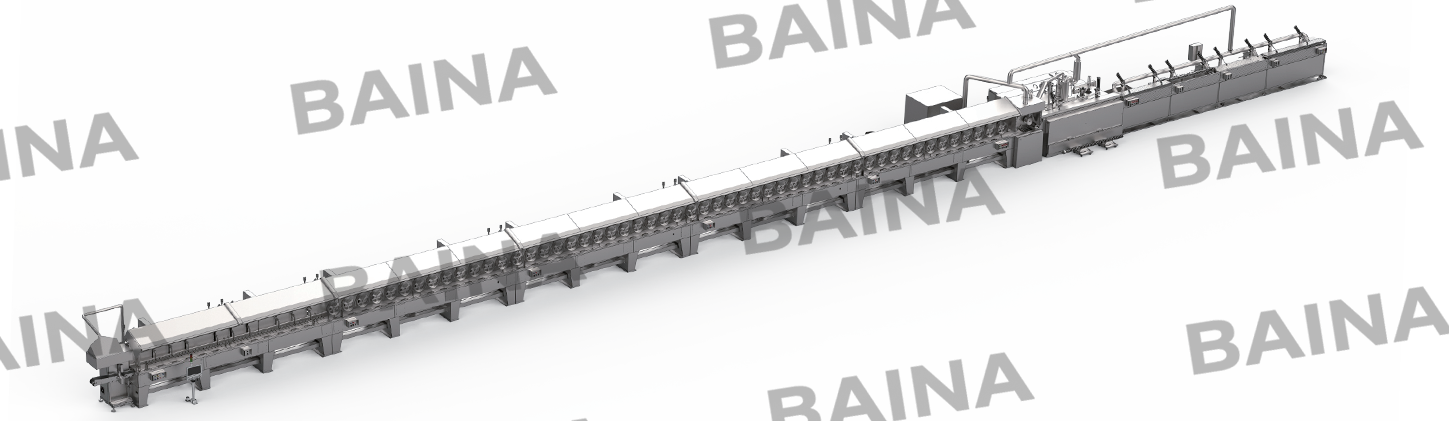
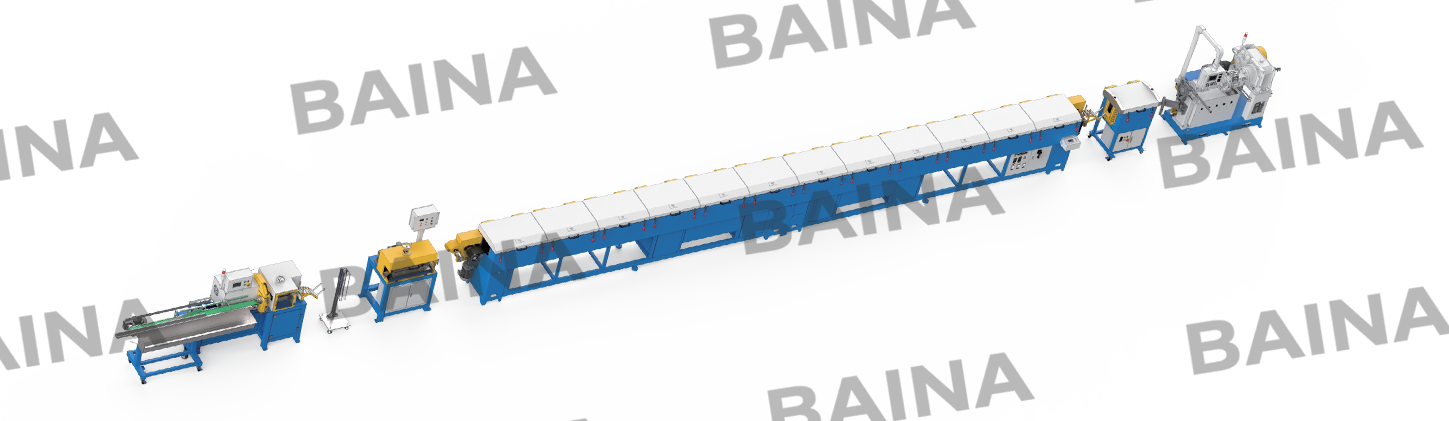
Ф75mm 16D Cold Feed Rubber Extruder
Cat:Extruder Series
Motor Power: 37 kWMaximum Output: 150 kg/h
See Details

Common Types of EPDM Extruders
EPDM extruders are specialized machines designed to process EPDM rubber compounds into continuous profiles with consistent cross-sections. These extruders are widely used in rubber manufacturing due to EPDM's stability, flexibility, and resistance to environmental factors. Several common types of EPDM extruders are used in industrial practice, distinguished mainly by screw design, configuration, and production purpose.
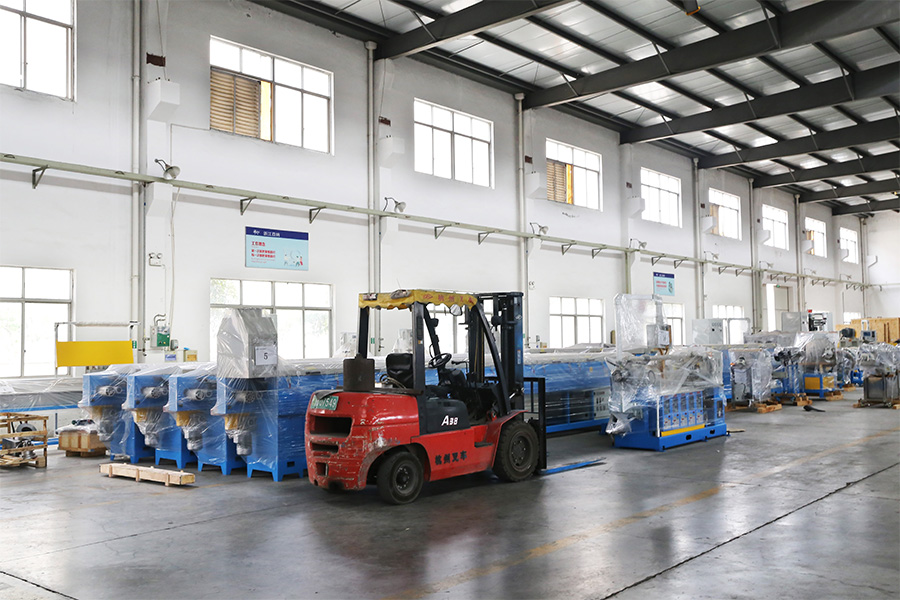
Single-screw EPDM extruders are the widely used type. They consist of one rotating screw within a heated barrel and are suitable for stable, continuous extrusion of EPDM profiles. Their structure is relatively simple, making them reliable for producing seals, strips, and hoses where material formulation and output requirements are consistent. Single-screw extruders are valued for ease of operation and maintenance.
Cold-feed rubber extruders are another common type. Unlike hot-feed extruders, they process EPDM compound at ambient temperature. This design improves material handling flexibility and allows better control of extrusion quality. Cold-feed extruders are commonly paired with upstream mixing equipment and are preferred in modern rubber production lines.
Hot-feed EPDM extruders use preheated rubber compounds, typically supplied from an internal mixer or mill. These extruders can achieve higher output rates but require more precise temperature control. They are often used in high-volume applications where productivity is a priority.
Twin-screw EPDM extruders, though less common, are used when improved mixing, degassing, or compound homogenization is required during extrusion. Their intermeshing screws provide better material distribution and process stability for complex profiles or specialty EPDM formulations.
Common Applications of EPDM Extruders
EPDM extruders are used across multiple industries due to the material's resistance to heat, ozone, weathering, and chemicals. Typical applications include the following:
Automotive Sealing Systems
EPDM extruders are widely used to manufacture door seals, window seals, trunk seals, and hood seals. These components require consistent dimensions, flexibility, and long-term durability under temperature variation and UV exposure.
Construction and Building Materials
In the construction sector, EPDM extruded profiles are used for window gaskets, curtain wall seals, expansion joints, and waterproofing strips. Their weather resistance makes them suitable for long-term outdoor use.
Industrial Rubber Hoses and Tubes
EPDM extruders produce hoses and tubing for conveying water, steam, and certain chemicals. These products are commonly used in industrial equipment, HVAC systems, and utility installations.
Electrical and Cable Protection
EPDM extrusion is applied to insulation layers, protective sleeves, and grommets used in electrical and power systems. The material's insulating properties and resistance to aging support stable performance.
Railway and Transportation Components
Extruded EPDM profiles are used in rail vehicles for vibration damping strips, sealing elements, and protective covers, where mechanical stability and weather resistance are required.
Appliance and Equipment Seals
Household and commercial appliances use EPDM extruded seals to prevent leakage, reduce noise, and maintain operating efficiency, especially in environments involving moisture or heat.
Precautions for Using EPDM Extruders
Proper operation and maintenance of EPDM extruders are essential to ensure product quality, equipment longevity, and workplace safety. The following precautions are commonly observed in production environments:
Control of Processing Temperature
EPDM is sensitive to overheating, which may cause premature vulcanization or surface defects. Operators should monitor barrel, screw, and die temperatures carefully and follow material-specific processing guidelines.
Consistent Material Feeding
Uneven feeding of EPDM compound can result in unstable output and dimensional variation. Feeding systems should be kept clean, and compound consistency should be checked regularly.
Regular Screw and Barrel Inspection
Wear on screws and barrels affects extrusion pressure and product quality. Periodic inspection and timely replacement help maintain stable processing conditions.
Proper Die Cleaning and Maintenance
EPDM residues can accumulate in extrusion dies, surface imperfections or flow imbalance. Dies should be cleaned according to a scheduled maintenance plan.
Start-Up and Shutdown Procedures
Gradual heating during start-up and controlled cooling during shutdown reduce thermal stress on equipment and prevent compound degradation inside the extruder.
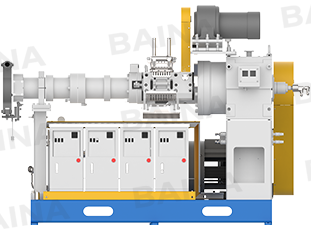
Motor Power: 37 kWMaximum Output: 150 kg/h
See Details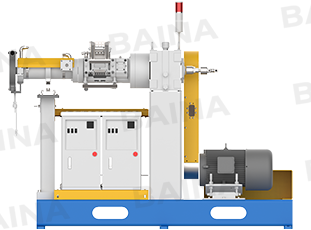
Motor Power: 7.5 kWMaximum Output: 50 kg/h
See Details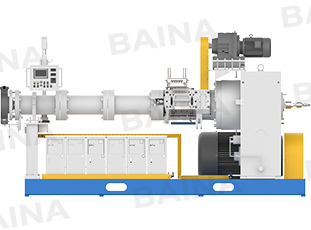
Motor Power: 160 kWMaximum Output: 1000 kg/h
See Details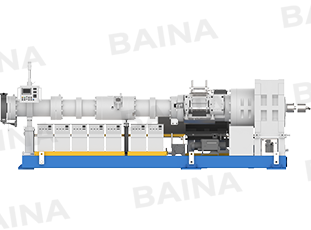
Motor Power: 315 kWMaximum Output: 2,000-2,400 kg/h
See DetailsRubber hose design is often discussed in terms of inner diameter, outer diameter, and wall thickness......
READ MOREA rubber profile can leave an extrusion die with the correct shape and still change during curing. T......
READ MORECutting a rubber tube to a specified length sounds simple until the material starts to compress, str......
READ MORE

Rubber Extrusion Machine and Equipment