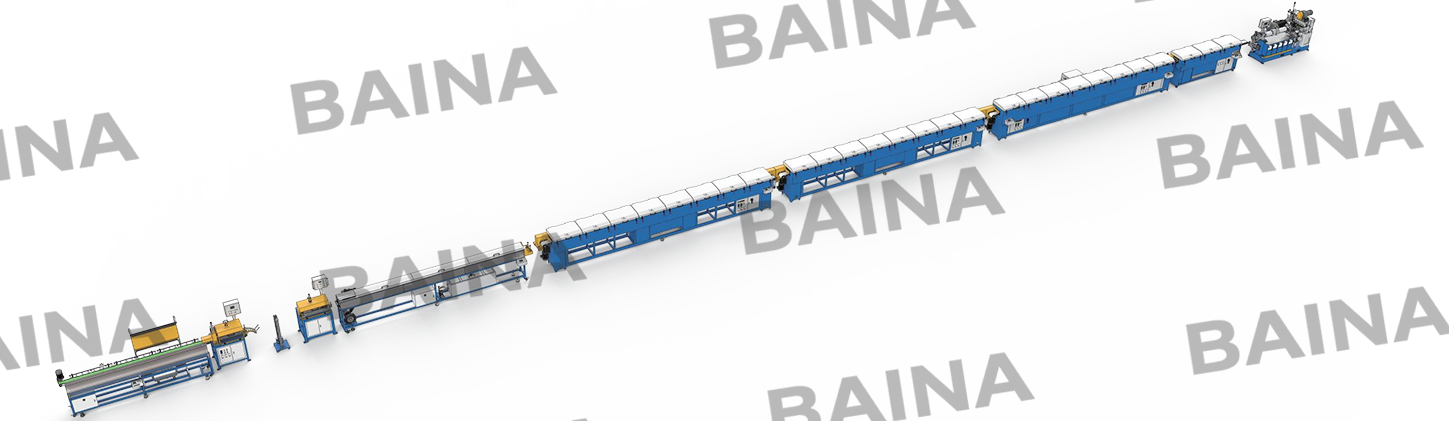
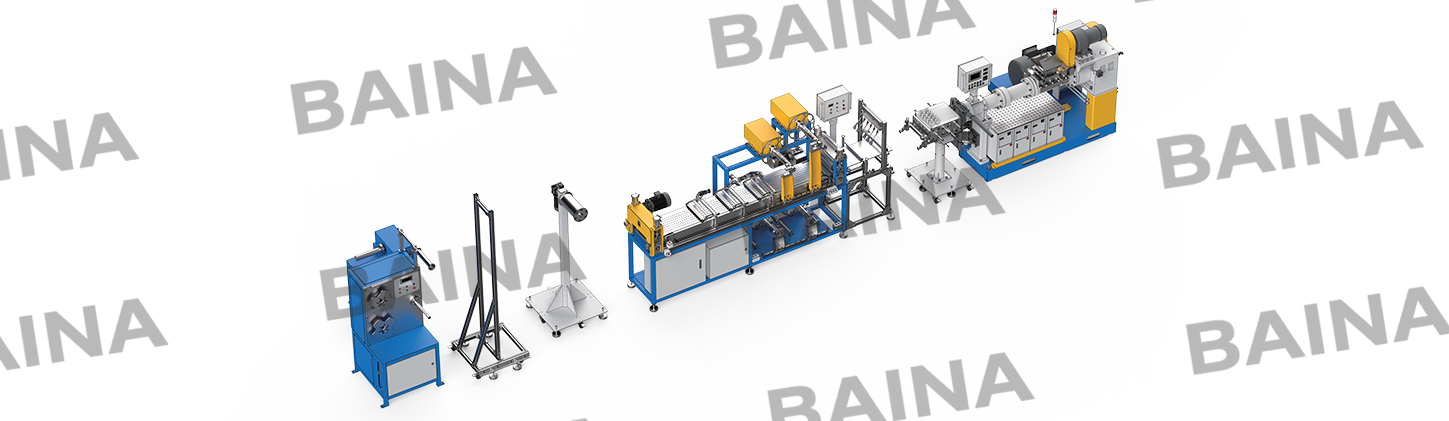
Ф120mm 20D Cold Feed Vacuum Rubber Extruder
Cat:Extruder Series
Motor Power: 110 kWMaximum Output: 700 kg/h
See Details

In modern manufacturing, the production of rubber products involves a variety of complex processes and specialized equipment. Among the critical machines in this process is the rubber extruder. As a vital part of the rubber production line, the rubber extruder serves several functions that ensure the creation of consistent, high-quality rubber products.
One of the primary functions of a rubber extruder is to efficiently feed the raw rubber material into the extrusion system. The rubber compound, which may include various additives and fillers, is carefully measured and introduced into the extruder’s feeding zone. The feeding system must maintain a constant flow of material to ensure uniformity in the extruded product. The rubber extruder’s feeding mechanism is designed to handle a wide variety of rubber formulations, adjusting to different viscosities and material characteristics. Consistent feeding is crucial for achieving consistent product quality throughout the manufacturing process.
Another critical function of a rubber extruder is mixing and homogenizing the rubber compound. The extruder is equipped with a rotating screw that thoroughly mixes the rubber and additives. The design of the screw ensures that the material is continuously worked, ensuring even distribution of chemicals like accelerators, curing agents, plasticizers, and fillers. The extruder’s mixing function is essential for eliminating any material inconsistencies and ensuring that the final rubber product exhibits uniform physical properties such as hardness, elasticity, and tensile strength.
Heating is a crucial part of the rubber extrusion process, as rubber must be sufficiently heated before it can be shaped and processed. The rubber extruder incorporates heating elements along the barrel to raise the temperature of the rubber compound. Temperature control is especially important in rubber extrusion because different types of rubber require different curing temperatures. The rubber extruder’s ability to maintain precise temperature control ensures that the rubber reaches the state for molding while preventing over-heating or under-heating, both of which could negatively impact product quality.
As the rubber compound moves through the extruder, it is subjected to mechanical pressure. This pressure is generated by the rotating screw inside the barrel, which forces the rubber into the die or mold. The rubber extruder’s ability to exert consistent pressure is fundamental for achieving the desired shape and size of the extruded product. Whether the final product is a rubber seal, a hose, or a profile, the extruder's pressure ensures that the rubber material conforms to the mold or die accurately. The design of the die itself can also influence the shape of the finished product, making it a key component in this function.
The extrusion process culminates in the rubber being forced through the die. The die is designed to give the rubber its final shape, and the extruder plays a critical role in ensuring the material is accurately formed according to specifications. After the rubber exits the die, it must be cooled quickly to solidify its shape. Cooling is typically achieved using water baths or air cooling systems, depending on the type of rubber and the desired final product. The rubber extruder helps regulate the cooling process, ensuring that the rubber retains its form without warping or dimensional distortion.
An essential function of the rubber extruder is controlling the flow of material through the system. The extruder must provide a steady, controlled flow of rubber to avoid inconsistencies in the final product. The screw configuration within the extruder is designed to manage material flow, balancing both the pressure and speed at which the rubber moves. The material flow must be carefully regulated to prevent clogging, air bubbles, or uneven material distribution that could result in defects in the extruded product.
In addition to its role in shaping, mixing, and heating the rubber, the rubber extruder is designed with energy efficiency in mind. The process of rubber extrusion requires substantial energy, but modern extruders incorporate energy-saving technologies to reduce overall power consumption. Features such as variable frequency drives, optimized heating systems, and recirculating air systems all contribute to the energy efficiency of the rubber extruder. Efficient energy use is not only cost-effective but also essential for manufacturers looking to their environmental impact.
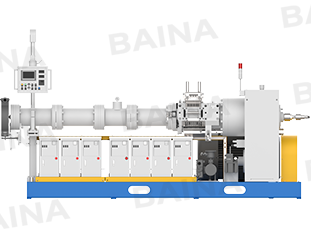
Motor Power: 110 kWMaximum Output: 700 kg/h
See Details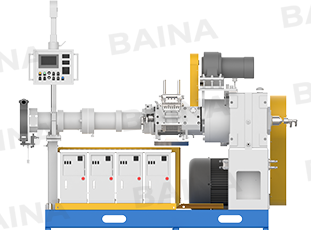
Motor Power: 55 kWMaximum Output: 320 kg/h
See Details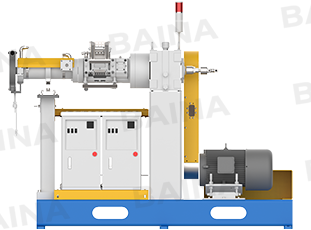
Motor Power: 7.5 kWMaximum Output: 50 kg/h
See Details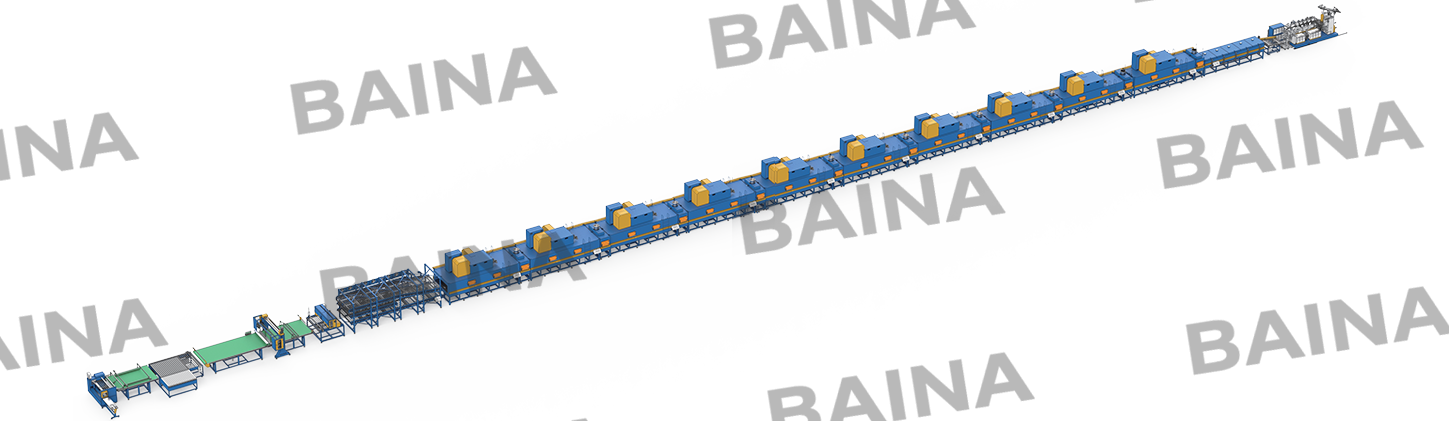
1. Core Control System Advantages: Utilizes Siemens motors, frequency converters, and PLCs paired wi...
See DetailsRubber hose design is often discussed in terms of inner diameter, outer diameter, and wall thickness......
READ MOREA rubber profile can leave an extrusion die with the correct shape and still change during curing. T......
READ MORECutting a rubber tube to a specified length sounds simple until the material starts to compress, str......
READ MORE

Rubber Extrusion Machine and Equipment